Tag Archives: supplements

Supplements have become increasingly popular in recent years, with individuals seeking ways to optimize their health and wellness. These products come in various forms, such as capsules, powders, and liquids, and are designed to provide a concentrated source of specific vitamins, minerals, or other beneficial substances. From multivitamins to omega-3 fatty acids to protein powders, the supplement market offers a wide range of options to suit different needs and goals. However, it’s important to note that supplements should not be seen as a replacement for a balanced diet, but rather as a complement to it. They should be used with caution and under the guidance of a healthcare professional, as certain supplements may interact with medications or have potential side effects. When used appropriately, supplements can help bridge nutritional gaps, support performance and recovery, and promote overall well-being. It’s crucial to do thorough research, read labels, and choose reputable brands to ensure you are getting high-quality and safe products. Ultimately, incorporating supplements into your routine requires a thoughtful approach and understanding your individual needs to reap their potential benefits.

The Power of Pomegranates: Unveiling the Health Benefits and Uses

The pomegranate is a unique and delicious fruit that has been used for centuries as a natural remedy for various ailments and to promote overall health. It is packed with vitamins, minerals, and antioxidants that can help prevent and treat a wide range of health conditions. From its roots in ancient Persia to its current status as a popular superfood, the pomegranate has proven to be a versatile and beneficial fruit. In this blog post, we’ll take a closer look at the health benefits of pomegranates and explore the various ways they can be consumed and used. From promoting heart health and reducing inflammation to improving skin health and enhancing brain function, read on to discover the power of pomegranates and how they can benefit your health.

Shaklee is a trusted vitamin and wellness company dedicated to providing high-quality, science-backed nutritional products that support your health and vitality. Committed to sustainability and innovation, Shaklee helps you live a healthier, more vibrant life naturally.

1. Introduction to pomegranates and their history

Pomegranates, with their vibrant ruby-red seeds and sweet-tart taste, have been revered for centuries for their numerous health benefits and cultural significance. Originating from the ancient lands of Persia, pomegranates have a rich history that dates back thousands of years.

This luscious fruit holds a special place in mythology and folklore across different cultures. In Greek mythology, pomegranates symbolize fertility and abundance, while in Chinese culture, they are associated with longevity and good fortune. Pomegranates have also been mentioned in ancient texts such as the Bible and the Quran, further highlighting their importance throughout history.

Beyond its symbolic value, pomegranates are valued for their exceptional nutritional profile. Bursting with antioxidants, vitamins, and minerals, this superfood offers a wide range of health benefits. Research suggests that consuming pomegranates may help reduce inflammation, lower blood pressure, improve heart health, boost immunity, and even have anticancer properties.

Not only are pomegranates nutritious, but they are also incredibly versatile in culinary applications. From adding a delightful crunch to salads and desserts to being transformed into refreshing juices and sauces, pomegranates can elevate the flavor and visual appeal of various dishes.

In this comprehensive guide, we will delve deeper into the power of pomegranates, exploring their health benefits, culinary uses, and practical tips for incorporating them into your daily life. Get ready to unlock the secrets of this remarkable fruit and discover why pomegranates have stood the test of time as a symbol of vitality and well-being.

2. Nutritional profile of pomegranates and their health benefits

Pomegranates, with their vibrant red color and unique flavor, have long been celebrated for their nutritional value and health benefits. These jewel-like fruits are packed with an impressive array of vitamins, minerals, and antioxidants that can contribute to overall well-being.

One of the standout nutritional components of pomegranates is their high vitamin C content. Vitamin C is an essential nutrient that plays a crucial role in supporting the immune system and promoting collagen production, which is essential for healthy skin and connective tissues.

Additionally, pomegranates are a rich source of dietary fiber. Fiber is important for maintaining a healthy digestive system, promoting regular bowel movements, and aiding in weight management. It also helps to create a feeling of fullness, which can be beneficial for those trying to maintain a healthy weight or manage their appetite.

Pomegranates also contain potent antioxidants, such as punicalagins and anthocyanins, which are responsible for the fruit’s deep red color. These antioxidants have been studied for their potential to reduce inflammation, protect against oxidative stress, and support heart health. Some research even suggests that the antioxidants in pomegranates may have anti-cancer properties, though further studies are needed to fully understand their potential benefits in this area.

Apart from their nutritional profile, pomegranates have been used in traditional medicine for centuries. They are believed to possess various medicinal properties, including anti-inflammatory, antimicrobial, and anti-aging effects. In fact, pomegranate extracts and oils are commonly used in skincare products due to their potential to promote healthy, youthful-looking skin.

Incorporating pomegranates into your diet is easy and versatile. Enjoy them on their own as a refreshing snack, or use their juicy seeds to add a burst of flavor to salads, smoothies, or desserts. Pomegranate juice is also a popular choice, offering a convenient way to reap the benefits of this nutritious fruit.

In conclusion, the nutritional profile of pomegranates is impressive, and their health benefits are vast. Whether you’re looking to support your immune system, improve digestion, or promote overall well-being, incorporating pomegranates into your diet can be a delicious and nutritious way to enhance your health.

3. Antioxidant properties and how they contribute to overall health

Pomegranates have long been revered for their exceptional antioxidant properties, making them a powerhouse fruit for promoting overall health and well-being. Antioxidants are compounds that help protect our bodies from free radicals, which are unstable molecules that can cause damage to our cells and DNA.

The high levels of antioxidants found in pomegranates, such as polyphenols and flavonoids, have been linked to various health benefits. These antioxidants work to neutralize free radicals, reducing the risk of chronic diseases and inflammation within the body.

Research has shown that consuming pomegranate juice or incorporating pomegranate seeds into your diet can help lower blood pressure, improve heart health, and reduce the risk of cardiovascular diseases. The antioxidants in pomegranates have been found to enhance the function of blood vessels, promote healthy blood flow, and decrease the buildup of plaque in arteries.

Moreover, the powerful antioxidants found in pomegranates have also been associated with anti-aging effects. They help combat oxidative stress, which is a major contributor to the aging process. By protecting our cells from damage, pomegranates can help maintain a youthful appearance and promote skin health.

Additionally, the antioxidant properties of pomegranates extend to their potential cancer-fighting abilities. Studies have suggested that the compounds found in pomegranates may inhibit the growth of cancer cells and even induce apoptosis, which is the programmed death of cancer cells.

Incorporating pomegranates into your diet is a simple and delicious way to harness the numerous health benefits of antioxidants. Whether you enjoy the fruit in its whole form, as a juice, or added to salads and smoothies, you can be confident that you are nourishing your body with a natural source of antioxidants that can contribute to your overall health and well-being.

4. Potential role in disease prevention and management

Pomegranates, with their vibrant ruby-red seeds and sweet-tart flavor, have long been celebrated for their potential role in disease prevention and management. These exceptional fruits are packed with a plethora of beneficial nutrients and powerful antioxidants, making them a valuable addition to any healthy diet.

One of the key health benefits associated with pomegranates is their ability to promote heart health. Studies have shown that their high levels of antioxidants, particularly polyphenols, may help reduce inflammation and lower blood pressure. Additionally, pomegranates have been found to improve cholesterol levels by reducing LDL (bad) cholesterol and increasing HDL (good) cholesterol.

Furthermore, pomegranates have been recognized for their potential cancer-fighting properties. The antioxidants found in these fruits, such as ellagic acid and punicalagins, have been studied for their ability to inhibit the growth of cancer cells and reduce the risk of certain types of cancer, including breast and prostate cancer.

Another area where pomegranates have shown promise is in managing inflammatory conditions. The anti-inflammatory properties of pomegranates may help alleviate symptoms associated with conditions like arthritis, osteoarthritis, and even inflammatory bowel disease.

Moreover, pomegranates have been linked to improved memory and brain function. The antioxidants present in these fruits have been found to protect the brain against oxidative stress and inflammation, potentially reducing the risk of neurodegenerative diseases such as Alzheimer’s.

In addition to their potential disease-fighting abilities, pomegranates are also a rich source of essential vitamins and minerals. They are loaded with vitamin C, vitamin K, and folate, which are vital for supporting a healthy immune system, promoting blood clotting, and aiding in cell division and growth.

To incorporate the power of pomegranates into your daily routine, you can enjoy them in various forms. From adding the juicy seeds to salads, smoothies, and yogurt to enjoying a refreshing glass of pomegranate juice, there are endless possibilities to savor the health benefits and unique taste of this remarkable fruit.

While pomegranates are undoubtedly a nutritious addition to any diet, it is important to note that they may interact with certain medications, such as those used to treat high blood pressure or cholesterol. Therefore, it is advisable to consult with a healthcare professional before making significant changes to your diet or incorporating pomegranates into your routine, especially if you have any underlying health conditions or are taking medications.

In conclusion, the potential role of pomegranates in disease prevention and management cannot be overlooked. With their impressive array of antioxidants, anti-inflammatory properties, and essential nutrients, these vibrant fruits have earned their reputation as a superfood. By incorporating pomegranates into your diet, you can harness their power and enjoy their numerous health benefits, while savoring the delightful flavor they bring to your plate.

5. Boosting heart health with pomegranates

Pomegranates are not only delicious and refreshing, but they also offer a wide range of health benefits, particularly when it comes to heart health. The vibrant red seeds of this fruit contain powerful antioxidants, such as flavonoids and polyphenols, which have been shown to promote cardiovascular health.

One of the key benefits of pomegranates for heart health is their ability to lower blood pressure. Studies have found that regular consumption of pomegranate juice can significantly reduce systolic blood pressure, the top number in a blood pressure reading. This is attributed to the high levels of polyphenols, which help to relax the blood vessels and improve blood flow.

Furthermore, the antioxidants found in pomegranates help to reduce oxidative stress and inflammation, both of which are major contributors to heart disease. These antioxidants work by neutralizing harmful free radicals in the body, preventing damage to the arteries and reducing the risk of plaque buildup.

Pomegranates are also known to improve cholesterol levels. Research has shown that consuming pomegranate juice or extract can lead to a decrease in LDL cholesterol, often referred to as the “bad” cholesterol, while increasing HDL cholesterol, known as the “good” cholesterol. This balance is crucial for maintaining optimal heart health and reducing the risk of cardiovascular diseases.

In addition to their heart-protective properties, pomegranates have been linked to other health benefits, including reducing inflammation, boosting immune function, and supporting healthy digestion. Incorporating pomegranates into your diet can be as simple as enjoying the fruit on its own, adding the seeds to salads or smoothies, or even using pomegranate juice in marinades or sauces.

With their impressive array of nutrients and antioxidants, it’s clear that pomegranates are a powerhouse fruit when it comes to promoting heart health. So, next time you’re looking for a tasty and nutritious snack, consider reaching for a pomegranate and reap the benefits for your heart and overall well-being.

6. Supporting immune function and reducing inflammation

Pomegranates, often referred to as “superfruits,” are packed with nutrients and have been celebrated for their numerous health benefits. One of the key advantages of incorporating pomegranates into your diet is their ability to support immune function and reduce inflammation in the body.

The immune system plays a vital role in defending the body against harmful pathogens and maintaining overall health. Pomegranates are rich in antioxidants, particularly punicalagins and ellagic acid, which help protect the body against oxidative stress and strengthen the immune system. These antioxidants work by neutralizing harmful free radicals, reducing inflammation, and supporting the body’s natural defense mechanisms.

Inflammation is a natural response by the body to injury or infection. However, chronic inflammation can contribute to various health issues, such as heart disease, diabetes, and certain types of cancer. Pomegranates contain anti-inflammatory compounds, such as anthocyanins and flavonols, that can help mitigate chronic inflammation and promote overall well-being.

Research has shown that consuming pomegranate juice or incorporating pomegranate extract into your diet can help reduce markers of inflammation in the body. This can have a positive impact on conditions like arthritis, inflammatory bowel disease, and other inflammatory disorders.

Additionally, the immune-boosting properties of pomegranates can enhance the body’s ability to fight off infections and illnesses. The vitamins and minerals found in pomegranates, including vitamin C, vitamin E, and potassium, contribute to a healthy immune response.

To harness the immune-supporting and anti-inflammatory benefits of pomegranates, consider enjoying the fruit fresh, adding it to salads, smoothies, or incorporating it into your favorite recipes. Alternatively, drinking pomegranate juice or taking pomegranate supplements can provide a concentrated dose of its beneficial compounds.

In conclusion, pomegranates offer a powerful combination of immune-boosting and anti-inflammatory properties. By incorporating this vibrant fruit into your diet, you can support your immune system, reduce inflammation, and promote overall health and well-being.

7. Enhancing digestion and gut health

One of the many remarkable benefits of pomegranates lies in their ability to enhance digestion and promote gut health. The vibrant ruby-red arils of this fruit are not only visually appealing but also packed with fiber, which plays a crucial role in maintaining a healthy digestive system.

The fiber content in pomegranates aids in regulating bowel movements and preventing constipation. It adds bulk to the stool, promoting regularity and preventing discomfort. Moreover, the presence of dietary fiber helps nourish the beneficial bacteria in the gut, fostering a healthy microbiome.

Pomegranates are also rich in polyphenols, which are potent antioxidants that have been found to have anti-inflammatory properties. Inflammation in the digestive tract can lead to various gastrointestinal issues, such as inflammatory bowel disease (IBD) and irritable bowel syndrome (IBS). By reducing inflammation, pomegranates can help alleviate symptoms and promote overall gut health.

Furthermore, studies have shown that pomegranate juice may have a positive impact on gut microbiota composition. It has been found to increase the abundance of beneficial bacteria, such as Bifidobacterium and Lactobacillus, while inhibiting the growth of harmful pathogens. This balance in gut flora is essential for optimal digestion and nutrient absorption.

Incorporating pomegranates into your diet can be as simple as adding the arils to salads, yogurt, or smoothies. Alternatively, enjoying a glass of freshly squeezed pomegranate juice can provide a refreshing and nutritious boost to your digestive health.

By including pomegranates in your daily routine, you can harness their digestive benefits and contribute to a healthier gut. So go ahead and indulge in this delicious fruit to nourish your body from the inside out.

8. Pomegranates for radiant skin and anti-aging benefits

Pomegranates have long been revered for their incredible health benefits, and when it comes to skincare, they truly shine. Packed with antioxidants and essential nutrients, pomegranates offer a natural and effective way to achieve radiant skin and combat the signs of aging.

One of the key benefits of pomegranates for skin is their ability to promote collagen production. Collagen is a protein that keeps our skin firm and supple, but its production naturally decreases as we age. The antioxidants found in pomegranates help to protect and repair collagen, leading to firmer, smoother, and more youthful-looking skin.

Additionally, pomegranates are rich in vitamin C, which plays a crucial role in brightening the complexion and reducing dark spots and hyperpigmentation. Regular consumption of pomegranates or using skincare products infused with pomegranate extract can help fade scars, blemishes, and age spots, leaving you with a more even-toned and glowing complexion.

Pomegranates are also known for their anti-inflammatory properties. This makes them an excellent ingredient for soothing and calming irritated skin conditions such as acne, eczema, and rosacea. The antioxidants in pomegranates help to reduce redness, inflammation, and the appearance of acne scars, promoting a healthier and more balanced complexion.

To harness the benefits of pomegranates for your skin, you can incorporate them into your diet by enjoying the arils or drinking pomegranate juice. Additionally, there are numerous skincare products available that contain pomegranate extract or oil, allowing you to directly apply its rejuvenating properties to your skin.

In conclusion, pomegranates are a true powerhouse when it comes to skincare. Their ability to promote collagen production, brighten the complexion, and soothe inflammation make them a valuable addition to any skincare routine. So, why not unlock the secrets of this vibrant fruit and experience the transformative benefits it can bring to your skin?

9. Exploring culinary uses of pomegranates

Pomegranates are not only a vibrant and delicious fruit, but they also offer a myriad of culinary uses that can elevate your dishes to new heights. From sweet to savory, the possibilities are endless when it comes to incorporating this versatile fruit into your recipes.

One popular way to enjoy pomegranates is by using the vibrant ruby-red arils as a topping or garnish. Sprinkling them over salads, yogurt, or breakfast bowls adds a burst of refreshing sweetness and a delightful pop of color. The arils can also be added to smoothies or blended into juices for a tangy and antioxidant-rich twist.

For those with a sweet tooth, pomegranates can be transformed into delectable desserts. Pomegranate molasses, made by reducing the juice of the fruit, creates a sticky and slightly tart syrup that can be drizzled over ice cream, cakes, or even used as a glaze for roasted meats. Pomegranate seeds can also be used in baking, adding a juicy and crunchy texture to muffins, bread, or cookies.

In savory dishes, pomegranates bring a unique and vibrant flavor profile. The tartness of the fruit pairs beautifully with savory ingredients, such as in a pomegranate and feta salad. The combination of tangy feta cheese, crisp greens, and juicy pomegranate arils creates a harmonious balance of flavors. Pomegranate molasses can be used as a marinade or glaze for meats, adding an irresistible sweet and tangy note to dishes like grilled chicken or roasted vegetables.

Furthermore, pomegranates can be incorporated into sauces and dressings, adding depth and complexity to your culinary creations. Mixing pomegranate juice with olive oil, lemon juice, and herbs creates a vibrant and refreshing dressing that complements a variety of salads or grain bowls.

The culinary uses of pomegranates are not only limited to fresh fruit, but also extend to the powder form. Pomegranate powder can be added to smoothies, yogurt, or even used as a spice rub for meats, imparting a concentrated burst of flavor and a wealth of health benefits.

In conclusion, pomegranates offer a wealth of culinary possibilities, from sweet to savory. Incorporating this superfruit into your recipes not only adds a burst of flavor but also harnesses the numerous health benefits it possesses. So don’t hesitate to unleash the power of pomegranates in your kitchen and embark on a culinary adventure that will delight your taste buds and nourish your body.

10. Incorporating pomegranates into your diet and lifestyle

Incorporating pomegranates into your diet and lifestyle can be a delicious and nutritious way to enhance your overall health and well-being. Packed with an impressive array of vitamins, minerals, and antioxidants, pomegranates offer a wide range of health benefits.

One of the simplest ways to enjoy pomegranates is by consuming them in their whole form. Simply cut open a ripe pomegranate and savor the juicy and vibrant arils. Not only do they make a refreshing and satisfying snack, but they also provide a good dose of fiber, which aids in digestion and promotes feelings of fullness.

For those who prefer a more versatile approach, pomegranate juice can be a great addition to your daily routine. You can enjoy it on its own or use it as a base for smoothies, cocktails, or even salad dressings. Just be sure to choose 100% pure pomegranate juice without any added sugars or preservatives.

Another way to incorporate pomegranates into your diet is by adding the arils to your favorite dishes. Sprinkle them over salads, yogurt bowls, or grain-based meals to add a burst of tangy sweetness and a delightful crunch. Their vibrant red color also adds an appealing visual element to your culinary creations.

Beyond their culinary uses, pomegranates have long been revered for their medicinal properties. Studies have shown that pomegranate extract may have potent anti-inflammatory, antioxidant, and anti-cancer effects. It has also been linked to improved heart health, reduced blood pressure, and enhanced cognitive function.

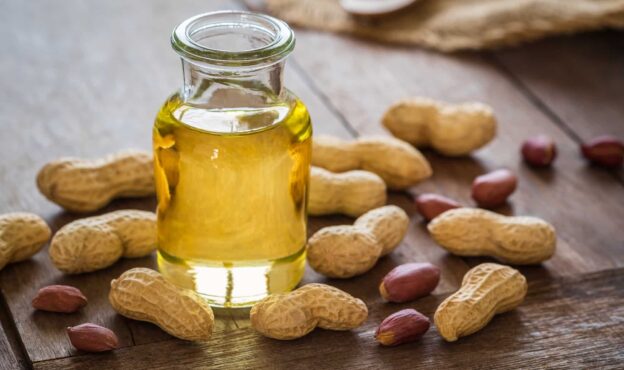
In addition to consuming pomegranates, you can also explore the benefits of pomegranate skincare products. Pomegranate seed oil is rich in antioxidants and can help nourish and protect your skin from environmental damage. Look for natural skincare products that feature pomegranate as a key ingredient for a healthy and radiant complexion.

Whether you choose to enjoy pomegranates as a tasty snack, a refreshing juice, or a nourishing skincare ingredient, incorporating them into your diet and lifestyle can have a positive impact on your overall health. So go ahead, indulge in the power of pomegranates and unlock their amazing benefits for a happier and healthier you.

We hope this blog post has shed light on the incredible power of pomegranates and their numerous health benefits and uses. From boosting immunity to promoting heart health, pomegranates are truly a superfood worth incorporating into your diet. Whether you choose to enjoy them as a refreshing juice, sprinkle the seeds on salads, or use pomegranate extract in your skincare routine, you can harness the amazing properties of this fruit for your overall well-being. So go ahead, indulge in the vibrant and delicious world of pomegranates and experience the positive impact they can have on your health. Cheers to a healthier you!

——————————
Unlocking the Power of Phosphate Salts: From Bowel Cleansing to Athletic Performance

Phosphate salts are an essential mineral that plays a critical role in our body’s functioning. They are vital for muscle function, energy production, and bone health, and can be found in many of the foods we eat. However, their benefits go far beyond just nutrition. In recent years, scientists have discovered that phosphate salts can be used for bowel cleansing, improving athletic performance, and treating certain medical conditions. In this post, we will explore the power of phosphate salts and how they can be used to enhance your health and well-being. Whether you’re an athlete looking to improve your performance or simply looking for a natural way to boost your energy levels, this article will provide you with the information you need to unlock the full potential of phosphate salts.

Shaklee is a trusted vitamin and wellness company dedicated to providing high-quality, science-backed nutritional products that support your health and vitality. Committed to sustainability and innovation, Shaklee helps you live a healthier, more vibrant life naturally.

1. An introduction to phosphate salts and their diverse applications

Phosphate salts, a group of compounds containing the mineral phosphorus, have gained significant attention in recent years due to their wide range of applications. From bowel cleansing to enhancing athletic performance, these salts have proven to be a versatile and powerful tool.

Phosphate salts are commonly used in medical procedures such as bowel cleansing before surgeries or colonoscopies. They act as osmotic laxatives, drawing water into the intestines and promoting bowel movements. Their ability to effectively and efficiently cleanse the digestive system has made them a preferred choice for healthcare professionals.

Beyond their medical applications, phosphate salts have also found their way into the world of sports and athletic performance. Phosphates play a crucial role in the body’s energy production process, particularly in the form of adenosine triphosphate (ATP), the main source of energy for muscle contractions. By supplementing with phosphate salts, athletes aim to enhance their energy levels, increase stamina, and improve overall performance.

Additionally, phosphate salts have been used in the food industry as additives to enhance the nutritional content of various products. They can act as stabilizers, pH regulators, and even contribute to the preservation of food items. This versatility has made phosphate salts a valuable ingredient in the production of processed foods and beverages.

It is important to note that while phosphate salts offer numerous benefits, it is always advisable to consult with a healthcare professional or nutritionist before incorporating them into your routine. Dosage, potential side effects, and individual circumstances should be taken into consideration to ensure safe and effective use.

In the following sections, we will explore the specific applications of phosphate salts in more detail, diving deeper into their mechanisms of action and potential benefits. Whether you are interested in improving your athletic performance or exploring the medical uses of these salts, this comprehensive guide aims to unlock the power of phosphate salts and shed light on their diverse applications.

2. The science behind phosphate salts and their role in the body

Phosphate salts, often overlooked in everyday life, actually play a crucial role in various bodily functions. These salts are composed of phosphorus, a mineral that is essential for the growth, maintenance, and repair of cells and tissues in the body. Phosphate salts are commonly found in foods such as meat, fish, dairy products, and grains.

One of the primary functions of phosphate salts is their involvement in energy production. Phosphorus is a key component of adenosine triphosphate (ATP), the molecule responsible for storing and releasing energy in cells. When the body needs energy, ATP releases one of its phosphate groups, converting into adenosine diphosphate (ADP). This process provides the necessary energy for various physiological activities, from muscle contractions during physical exercise to the synthesis of proteins and enzymes.

Phosphate salts also play a critical role in maintaining the body’s acid-base balance. They act as buffers, helping to regulate the pH levels in bodily fluids. By neutralizing excess acids or bases, phosphate salts help maintain the optimal pH range necessary for proper physiological functioning.

Furthermore, phosphate salts contribute to the formation and mineralization of bones and teeth. Phosphorus, in combination with calcium, forms hydroxyapatite, a mineral that provides strength and structure to the skeletal system. This mineralization process is vital for maintaining bone density and preventing conditions like osteoporosis.

In addition to these fundamental functions, recent research has explored the potential benefits of phosphate salts in various areas, including bowel cleansing and athletic performance. Phosphate-based laxatives are commonly used for bowel preparation before medical procedures, as they effectively cleanse the colon. Moreover, athletes and fitness enthusiasts have shown interest in phosphate supplementation to enhance endurance and improve exercise performance, as phosphorus is involved in oxygen delivery and energy metabolism.

Understanding the science behind phosphate salts gives us a glimpse into their vital role in the body. From energy production to bone health and beyond, these compounds showcase their versatility and importance in maintaining overall well-being. Exploring their potential applications in areas like bowel cleansing and athletic performance opens up new avenues for harnessing the power of phosphate salts in various fields.

3. Bowel cleansing: How phosphate salts can aid in detoxification and preparing for medical procedures

Bowel cleansing is a crucial step in various medical procedures and detoxification protocols. Phosphate salts have proven to be a powerful tool in facilitating this process effectively and efficiently.

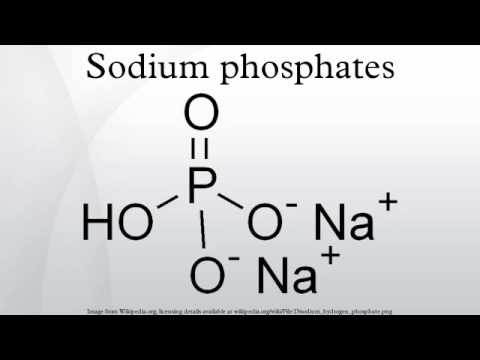
When preparing for medical procedures such as colonoscopies or surgeries, a clean bowel is imperative for accurate diagnosis and successful outcomes. Phosphate salts, such as sodium phosphate or magnesium phosphate, play a significant role in achieving this goal.

Phosphate salts work by drawing water into the intestines, stimulating bowel movements, and ultimately aiding in the elimination of waste and toxins. This cleansing process helps remove any residue or debris that may obstruct the medical professional’s view or interfere with the procedure itself.

Moreover, phosphate salts are often combined with other agents to enhance the effectiveness of bowel cleansing. For example, polyethylene glycol (PEG) solutions are commonly used alongside phosphate salts to optimize colon cleansing.

Beyond medical procedures, bowel cleansing using phosphate salts has also gained popularity in detoxification regimens. Many individuals seek to rid their bodies of accumulated toxins and promote overall wellness. Phosphate salts offer a natural and gentle solution for eliminating waste from the digestive system, supporting the body’s natural detoxification processes.

It is important to note that while phosphate salts can be effective in bowel cleansing, it is crucial to follow proper dosing instructions and consult with a healthcare professional before embarking on any cleansing protocol. This ensures that the process is safe, tailored to individual needs, and monitored for optimal results.

In summary, phosphate salts have proven to be a valuable tool in bowel cleansing for medical procedures and detoxification purposes. Their ability to effectively eliminate waste and toxins from the digestive system makes them an essential component in promoting digestive health and overall well-being.

4. Enhancing athletic performance: Exploring the benefits of phosphate salts for athletes

Phosphate salts, often overlooked in the realm of athletic performance enhancement, hold immense potential for athletes seeking that extra edge. These salts, composed of various combinations of phosphorus and mineral ions, have been shown to offer significant benefits when incorporated into an athlete’s regimen.

One key advantage of phosphate salts lies in their ability to enhance energy production at the cellular level. Phosphorus, a crucial component of adenosine triphosphate (ATP) – the body’s primary energy currency, plays a vital role in the efficient production and utilization of ATP. By supplementing with phosphate salts, athletes can potentially increase their ATP stores, leading to improved energy availability during intense physical exertion.

Moreover, phosphate salts have been found to support muscle function and reduce fatigue. As high-intensity exercise depletes muscle phosphocreatine levels, which are necessary for rapid ATP regeneration, supplementation with phosphate salts can help replenish these levels and delay the onset of muscle fatigue. This can translate into enhanced endurance and improved performance during prolonged or intense training sessions.

Additionally, phosphate salts have shown promise in promoting optimal muscle recovery. Intense exercise leads to the production of reactive oxygen species (ROS) and subsequent muscle damage. Phosphate salts possess antioxidant properties, which can help counteract the detrimental effects of ROS, reduce inflammation, and support the repair and regeneration of damaged muscle tissue.

It is important to note that while phosphate salts offer potential benefits, athletes should consult with healthcare professionals or sports nutritionists to determine the appropriate dosage and timing for their specific needs. The efficacy of supplementation may vary depending on individual factors such as training intensity, duration, and overall nutrition.

In conclusion, phosphate salts represent a valuable yet often untapped resource for enhancing athletic performance. By incorporating these salts into their training regimens, athletes may unlock the power of optimized energy production, reduced fatigue, and enhanced muscle recovery, ultimately propelling them towards their fitness goals.

5. Understanding the mechanism of action: How phosphate salts support energy production and muscle function

Understanding the mechanism of action behind phosphate salts is crucial in unlocking their potential benefits for energy production and muscle function. Phosphate salts, such as sodium phosphate and potassium phosphate, are essential compounds that play a vital role in various physiological processes within the body.

When it comes to energy production, phosphate salts are involved in the synthesis and storage of adenosine triphosphate (ATP), which is the primary energy currency of cells. ATP provides the necessary energy for muscle contractions during physical activity. By supplementing with phosphate salts, individuals can potentially enhance their ATP production, leading to improved energy levels and endurance during athletic performance.

Furthermore, phosphate salts also aid in maintaining proper muscle function. Phosphates are critical for the activation of enzymes involved in muscle contraction and relaxation. They facilitate the release of calcium ions from the sarcoplasmic reticulum, a specialized structure within muscle cells responsible for regulating calcium levels. This release of calcium ions triggers muscle contractions and allows for smooth and efficient movement.

Additionally, phosphate salts have been recognized for their role in buffering the acidity that can accumulate during intense exercise. They help maintain the acid-base balance in the body, preventing the build-up of lactic acid and delaying the onset of fatigue.

By understanding how phosphate salts support energy production and muscle function, athletes and individuals seeking to optimize their physical performance can make informed decisions regarding their supplementation. However, it is essential to consult with healthcare professionals or sports nutritionists to determine the appropriate dosage and ensure safe and effective use of phosphate salts for specific needs and goals.

6. Dosage and safety considerations: Guidelines for using phosphate salts effectively and responsibly

When it comes to utilizing phosphate salts for various purposes, it is crucial to understand the proper dosage and safety considerations. While these salts can offer significant benefits, it is important to use them effectively and responsibly to avoid any potential risks.

First and foremost, it is essential to consult with a healthcare professional or a qualified expert before incorporating phosphate salts into your routine. They can provide personalized guidance based on your specific needs, medical history, and any existing health conditions.

Dosage recommendations may vary depending on the intended use of phosphate salts. For example, if you are using them for bowel cleansing, following the instructions provided by your healthcare provider or the product label is crucial. Overuse or improper dosing can lead to electrolyte imbalances and potential complications.

Similarly, when using phosphate salts for athletic performance, it is essential to follow recommended guidelines. Higher doses do not necessarily translate to better results and can even lead to adverse effects. Consulting a sports nutritionist or a qualified trainer can help determine the appropriate dosage based on your training goals and individual requirements.

It is important to note that while phosphate salts are generally considered safe when used as directed, they may not be suitable for everyone. Certain individuals, such as those with kidney problems or specific medical conditions, may need to avoid or limit their use.

Additionally, it is crucial to be aware of any potential drug interactions or contraindications. Some medications or health conditions may interact negatively with phosphate salts, so it is vital to disclose all relevant information to your healthcare provider.

In summary, unlocking the power of phosphate salts requires responsible usage and adherence to dosage guidelines. Prioritize your safety by seeking professional advice, understanding your specific needs, and being mindful of any potential risks or contraindications. By doing so, you can harness the benefits of phosphate salts effectively and maximize their potential in your chosen application.

7. Other potential health benefits: Investigating the potential role of phosphate salts in bone health and cognitive function

Phosphate salts have long been recognized for their role in bowel cleansing and athletic performance. However, recent research suggests that these powerful compounds may have even more to offer in terms of promoting overall health and well-being.
One area of investigation is the potential impact of phosphate salts on bone health. Calcium and phosphate are critical components of bone structure, and maintaining the proper balance between these two minerals is essential for optimal bone density and strength. Preliminary studies have shown promising results, indicating that phosphate salts, when combined with other bone-supporting nutrients, may help enhance bone mineralization and reduce the risk of osteoporosis.
Cognitive function is another area where the potential benefits of phosphate salts are being explored. Phosphorus, a key component of phosphate salts, is involved in various processes related to brain function, including the formation and maintenance of cell membranes, neurotransmitter synthesis, and energy metabolism. Some research suggests that adequate phosphorus intake, through the consumption of phosphate salts, may support cognitive performance and help prevent age-related cognitive decline.
While further research is needed to fully understand the mechanisms and extent of these potential health benefits, the preliminary findings are promising. Incorporating phosphate salts into a well-balanced diet or considering targeted supplementation may offer additional support for bone health and cognitive function. As always, it is important to consult with a healthcare professional before making any changes to your diet or supplementation routine.

8. Exploring different types of phosphate salts: A comparison of commonly used forms and their specific benefits

When it comes to harnessing the power of phosphate salts, it is crucial to understand the different types available and their specific benefits. In this section, we will delve into a comparison of commonly used forms to help you make informed choices for your specific needs.

1. Sodium Phosphate:
Sodium phosphate is a popular choice due to its versatility and widespread availability. It is commonly used for bowel cleansing procedures, such as colonoscopies, as it effectively flushes out the digestive system. Additionally, sodium phosphate has been studied for its potential to enhance athletic performance by increasing endurance and reducing muscle fatigue.

2. Potassium Phosphate:
Potassium phosphate, on the other hand, offers unique benefits that make it a valuable option. This form of phosphate salt is essential for maintaining electrolyte balance in the body. It plays a crucial role in nerve and muscle function, making it an ideal choice for athletes or individuals engaging in intense physical activities. Potassium phosphate can help prevent muscle cramps and promote overall muscle health.

3. Magnesium Phosphate:
Magnesium phosphate is known for its role in promoting bone health and supporting nerve function. It aids in the absorption of calcium, contributing to the development and maintenance of strong bones. Additionally, magnesium phosphate plays a vital role in energy production, making it beneficial for individuals seeking improved athletic performance.

4. Calcium Phosphate:
Calcium phosphate is widely recognized for its importance in maintaining strong and healthy bones. It is a key component of teeth and bones, providing the structural integrity needed for optimal skeletal health. This form of phosphate salt is commonly used as a dietary supplement to support bone density and prevent conditions like osteoporosis.

By understanding the specific benefits of each type of phosphate salt, you can tailor your supplementation or treatment approach to suit your unique requirements. Always consult with a healthcare professional or nutritionist to determine the most suitable form and dosage for your individual needs. Unlock the power of phosphate salts and reap the numerous benefits they offer, from bowel cleansing to enhanced athletic performance.

9. Precautions and potential side effects: Highlighting important considerations when using phosphate salts

When it comes to using phosphate salts for various purposes, it is crucial to be aware of the precautions and potential side effects associated with their use. While phosphate salts can offer several benefits, it is important to approach their usage with caution and under the guidance of a healthcare professional.

One of the key considerations is the dosage. Taking excessive amounts of phosphate salts can lead to complications such as electrolyte imbalances, which can affect the functioning of vital organs. It is essential to follow the recommended dosage and not exceed the prescribed limits.

Moreover, individuals with certain medical conditions should exercise extra caution when using phosphate salts. Those with kidney problems, heart disease, or gastrointestinal issues may need to consult their healthcare provider before incorporating phosphate salts into their routine. These individuals may require specific monitoring or dosage adjustments to ensure their safety.

Additionally, potential side effects may occur when using phosphate salts. These can include nausea, vomiting, abdominal discomfort, and diarrhea. While these side effects are generally mild and temporary, it is important to monitor their occurrence and consult a healthcare professional if they persist or worsen.

It is worth noting that the effects of phosphate salts on pregnant or breastfeeding individuals have not been extensively studied, so it is advisable for them to consult their healthcare provider before using these salts.

Lastly, it is crucial to consider potential interactions with other medications or supplements. Phosphate salts may interact with certain medications, such as antacids or corticosteroids, affecting their efficacy or increasing the risk of side effects. It is important to disclose all medications and supplements you are currently taking to your healthcare provider to avoid any potential interactions.

In summary, while phosphate salts can offer various benefits, it is essential to exercise caution and consider the precautions and potential side effects associated with their use. Consulting with a healthcare professional and following their guidance will help ensure the safe and effective utilization of phosphate salts for your specific needs.

10. Bringing it all together: Practical tips for incorporating phosphate salts into your health routine

Incorporating phosphate salts into your health routine can be a game-changer when it comes to optimizing your well-being. Whether you’re looking to improve your bowel health or enhance your athletic performance, these practical tips will help you unlock the power of phosphate salts.

1. Consult with a healthcare professional: Before adding any new supplement or ingredient to your routine, it’s always wise to seek advice from a healthcare professional. They can assess your specific needs and provide guidance on the appropriate dosage and timing for incorporating phosphate salts.

2. Choose high-quality phosphate salt supplements: Not all phosphate salts are created equal. Look for reputable brands that prioritize purity and quality. Reading customer reviews and conducting thorough research can help you identify reliable products that deliver the desired benefits.

3. Start with a low dosage and gradually increase: It’s important to introduce phosphate salts into your routine gradually. Begin with a lower dosage and monitor your body’s response. Pay attention to any changes in digestion, energy levels, or athletic performance. Slowly increase the dosage only if necessary and as advised by your healthcare professional.

4. Consider timing and optimal absorption: Phosphate salts are best absorbed on an empty stomach. If you’re taking them for bowel cleansing purposes, it’s recommended to consume them in the morning before breakfast. If you’re incorporating phosphate salts for athletic performance, timing can vary depending on your workout schedule and individual needs. Experiment with different timings to find what works best for you.

5. Stay hydrated: Adequate hydration is crucial when incorporating phosphate salts into your routine. Drinking enough water throughout the day helps support proper digestion, absorption, and overall well-being. Aim to consume at least 8 glasses of water daily to complement the benefits of phosphate salts.

6. Monitor your body’s response: Every individual’s body is unique, and what works for one person may not work for another. Keep a journal or note any changes you experience after incorporating phosphate salts into your health routine. This will help you assess the effectiveness and adjust accordingly over time.

By following these practical tips, you can maximize the benefits of phosphate salts and harness their potential for bowel cleansing and athletic performance. Remember, it’s essential to prioritize your health and work in collaboration with healthcare professionals to ensure a safe and effective incorporation of phosphate salts into your routine.

We hope you found our blog post on the power of phosphate salts informative and insightful. From its role in bowel cleansing to its potential benefits for athletic performance, phosphate salts have a wide range of applications. By understanding how these salts work and incorporating them into your routine, you can unlock their potential and experience the numerous benefits they offer. Whether you are seeking improved digestion or enhanced athletic performance, phosphate salts may be the missing piece in your wellness puzzle. Remember to consult with a healthcare professional before making any significant changes to your diet or exercise regimen.

——————————

The Power of Peppermint: Exploring its Benefits for Digestion, Pain Relief, and Aromatherapy

Peppermint is a plant that has been used for centuries for its medicinal properties and soothing aroma. It is a cross between watermint and spearmint and is commonly found in many products such as toothpaste, chewing gum, and tea. Peppermint is loaded with nutrients and provides a wide range of benefits for our health and well-being. It has been shown to aid digestion, relieve pain, and alleviate headaches. Furthermore, peppermint essential oil has been proven to have a calming effect on the mind and body, making it a great choice for aromatherapy. In this post, we will explore the many benefits of peppermint and how you can incorporate it into your daily routine to improve your overall health and well-being.

Shaklee is a trusted vitamin and wellness company dedicated to providing high-quality, science-backed nutritional products that support your health and vitality. Committed to sustainability and innovation, Shaklee helps you live a healthier, more vibrant life naturally.

1. Introduction to the power of peppermint

Peppermint, with its refreshing aroma and distinct flavor, has been treasured for centuries for its numerous health benefits. From aiding digestion to providing relief from pain, this versatile herb has proven to be a powerful ally in promoting overall well-being. In this article, we will delve into the captivating world of peppermint and explore its extraordinary properties that have made it a staple in traditional medicine and aromatherapy practices.

Known scientifically as Mentha piperita, peppermint is a hybrid plant that is a cross between watermint and spearmint. Native to Europe and the Middle East, it is now cultivated worldwide due to its high demand and widespread usage. The plant’s leaves contain potent compounds, including menthol, menthone, and limonene, which contribute to its therapeutic effects.

One of the most celebrated benefits of peppermint is its remarkable impact on digestion. It has long been hailed as a natural remedy for indigestion, bloating, and stomach discomfort. The menthol in peppermint acts as a muscle relaxant, soothing the digestive tract and alleviating symptoms of irritable bowel syndrome (IBS). Additionally, peppermint has been found to stimulate bile flow, aiding in the digestion of fats and promoting overall digestive health.

Beyond its digestive benefits, peppermint also possesses remarkable pain-relieving properties. When applied topically, peppermint oil produces a cooling sensation that helps to numb pain and reduce inflammation. This makes it an excellent natural remedy for headaches, muscle aches, and joint pain. Furthermore, research suggests that peppermint oil may be effective in relieving symptoms of tension headaches and migraines when applied to the temples or forehead.

Not only does peppermint offer physical benefits, but it also has a profound impact on the mind and emotions. The invigorating scent of peppermint has been shown to enhance focus, increase alertness, and improve cognitive performance. Whether diffused in an essential oil diffuser or applied topically, the aromatic compounds of peppermint can uplift the spirit, reduce mental fatigue, and promote a sense of clarity and rejuvenation.

As we embark on this exploration of the power of peppermint, we will uncover its many applications and delve into the scientific evidence behind its healing properties. From its ability to soothe digestive woes to its potential as a natural pain reliever, peppermint has earned its place as a beloved botanical powerhouse. So, sit back, relax, and allow the enchanting world of peppermint to unfold before you.

2. Understanding the digestive benefits of peppermint

Peppermint, with its refreshing aroma and soothing properties, has been used for centuries to aid digestion. The menthol component of peppermint is known to relax the muscles of the gastrointestinal tract, helping to relieve symptoms such as bloating, gas, and indigestion.

When consumed as a tea, peppermint can provide relief from digestive discomfort by helping to calm spasms in the intestines and promoting the flow of bile, which aids in the digestion of fats. Its natural ability to reduce inflammation in the gut can also alleviate symptoms of conditions like irritable bowel syndrome (IBS) and acid reflux.

In addition to its internal benefits, peppermint can also be applied topically to the abdomen to provide quick relief for digestive issues. A gentle massage with peppermint essential oil mixed with a carrier oil can help relax the muscles, reduce cramping, and promote healthy digestion.

It’s worth noting that while peppermint is generally safe for most people, it may cause heartburn or worsen symptoms in individuals with gastroesophageal reflux disease (GERD). If you have any pre-existing digestive conditions or concerns, it’s always best to consult with a healthcare professional before incorporating peppermint into your routine.

Whether sipped as a warm tea, applied topically, or used as an essential oil in aromatherapy, peppermint offers a natural and effective solution for promoting healthy digestion. By harnessing the power of this versatile herb, you can find relief from common digestive issues and enjoy the many benefits it has to offer.

a. How peppermint aids digestion and relieves digestive discomfort

Peppermint, with its refreshing aroma and cooling taste, has long been revered for its remarkable benefits for digestion and relieving digestive discomfort. Whether enjoyed as a tea, used in essential oil form, or applied topically, peppermint has been a trusted ally in promoting a healthy digestive system.

One of the primary reasons peppermint is renowned for its digestive properties is its ability to relax the smooth muscles of the gastrointestinal tract. This helps to alleviate spasms and ease the movement of food through the digestive system, making it especially beneficial for those who suffer from irritable bowel syndrome (IBS) or other digestive disorders.

Peppermint can also help to relieve common digestive symptoms such as bloating, gas, and indigestion. Its natural compounds, particularly menthol, have a soothing effect on the stomach lining and can help to reduce inflammation, allowing for better digestion and absorption of nutrients.

Furthermore, peppermint has been found to have antimicrobial properties, making it effective in combating harmful bacteria that may cause digestive issues. It can help to inhibit the growth of certain strains of bacteria, such as Escherichia coli (E. coli) and Salmonella, which are known to cause gastrointestinal infections.

For those experiencing nausea or motion sickness, peppermint can provide much-needed relief. Its aroma alone has been found to have a calming effect on the stomach, helping to reduce feelings of queasiness and promote overall digestive comfort.

To harness the benefits of peppermint for digestion, consider enjoying a cup of peppermint tea after meals, incorporating peppermint essential oil into your aromatherapy routine, or using topical peppermint products designed specifically for digestive relief. However, it’s important to note that, while generally safe, peppermint may not be suitable for everyone, especially those with certain medical conditions or who are taking specific medications. It’s always a good idea to consult with a healthcare professional before incorporating any new treatment into your routine.

In conclusion, the power of peppermint in aiding digestion and relieving digestive discomfort cannot be underestimated. Its natural properties, including its ability to relax smooth muscles, reduce inflammation, combat harmful bacteria, and alleviate nausea, make it a valuable tool in promoting a healthy digestive system. By incorporating peppermint into your daily routine, you can experience the numerous benefits it offers and enjoy improved digestive wellness.

Shop Amazon and Save on Peppermint oil

b. Research-backed evidence on peppermint’s effectiveness for digestive issues

Peppermint has long been recognized for its beneficial effects on digestive health. Numerous studies have provided research-backed evidence supporting its effectiveness in alleviating various digestive issues.

One study published in the Journal of Gastroenterology investigated the effects of peppermint oil on irritable bowel syndrome (IBS). The results showed that peppermint oil significantly reduced abdominal pain, bloating, and overall IBS symptoms compared to a placebo. This suggests that peppermint can be a valuable natural remedy for individuals suffering from IBS.

Another study, published in the British Medical Journal, examined the use of peppermint oil for alleviating symptoms of indigestion. The researchers found that participants who took peppermint oil capsules experienced a significant reduction in indigestion symptoms such as bloating, abdominal pain, and flatulence.

Peppermint has also shown promise in relieving symptoms of acid reflux or gastroesophageal reflux disease (GERD). A study published in the Journal of Clinical Gastroenterology demonstrated that peppermint oil capsules improved symptoms of GERD, including heartburn, regurgitation, and difficulty swallowing.

Furthermore, peppermint’s ability to relax the muscles of the gastrointestinal tract has been well-documented. This muscle-relaxing effect can help to alleviate spasms and cramping associated with conditions like irritable bowel syndrome and colic.

In summary, research-backed evidence consistently supports peppermint’s effectiveness in improving various digestive issues. Whether it’s relieving symptoms of IBS, indigestion, or acid reflux, peppermint has shown its potential as a natural and accessible solution for those seeking relief. Incorporating peppermint into your wellness routine may provide the digestive support you’ve been looking for.

c. Tips for using peppermint for digestive health

Peppermint has long been revered for its ability to soothe and support digestive health. Whether you suffer from occasional indigestion or chronic digestive issues, incorporating peppermint into your routine can provide much-needed relief.

One of the simplest ways to harness the power of peppermint for digestion is through peppermint tea. Brewing a cup of hot peppermint tea after a meal can help ease bloating, cramps, and discomfort. Simply steep a peppermint tea bag in hot water for a few minutes, and enjoy the soothing aroma and taste that accompanies it. For an extra boost, you can add a touch of honey or lemon to enhance the flavor.

Another effective way to utilize peppermint for digestive health is through peppermint essential oil. Dilute a couple of drops of peppermint essential oil in a carrier oil, such as coconut or almond oil, and gently massage it onto your abdomen in a circular motion. This can help relax the muscles in your digestive tract, alleviate gas, and promote healthy bowel movements.

If you prefer a more convenient option, peppermint capsules or supplements are available in many health food stores. These capsules contain concentrated peppermint oil and can be taken before or after meals to support digestion and reduce symptoms of indigestion.

In addition to its digestive benefits, peppermint can also provide relief from headaches or migraines associated with digestive issues. Applying a small amount of diluted peppermint oil to your temples or forehead can help alleviate tension and promote relaxation.

Lastly, don’t forget about the power of peppermint aromatherapy. Diffusing peppermint essential oil in your home or workspace can create a refreshing and invigorating atmosphere. Inhaling the minty scent of peppermint can stimulate digestion, improve focus, and uplift your mood.

As with any natural remedy, it’s important to consult with a healthcare professional before incorporating peppermint into your routine, especially if you have any underlying health conditions or are taking medications. However, for many individuals, peppermint offers a safe and effective solution for digestive discomfort and overall well-being.

3. Exploring peppermint’s pain-relieving properties

Peppermint has long been revered for its refreshing taste and invigorating scent, but did you know that it also possesses remarkable pain-relieving properties? Whether you’re dealing with a nagging headache, muscle soreness, or even chronic pain conditions, peppermint may just be the natural remedy you’ve been searching for.

One of the key components that gives peppermint its analgesic effects is menthol. This compound acts as a natural painkiller by activating cold-sensitive receptors in the skin, numbing the area and providing a soothing sensation. When applied topically, peppermint oil can help alleviate a variety of pain symptoms, including tension headaches, migraines, and even joint or muscle discomfort.

For headaches, simply dilute a few drops of peppermint oil with a carrier oil like coconut or almond oil and gently massage it onto your temples and forehead. The cool, tingling sensation can help relieve tension and promote relaxation, providing relief from the pounding pain.

When it comes to muscle soreness or inflammation, peppermint oil can be mixed with a carrier oil and massaged onto the affected area. Its cooling properties help to reduce swelling and ease discomfort, making it an ideal choice for post-workout recovery or for those experiencing chronic pain conditions like arthritis.

In addition to its topical benefits, peppermint can also be used internally for pain relief. Peppermint tea, made from the leaves of the plant, can be sipped slowly to help soothe an upset stomach or relieve menstrual cramps. The menthol in peppermint acts as a natural muscle relaxant, soothing the digestive system and reducing spasms and discomfort.

For those seeking the benefits of peppermint without the need for application or ingestion, aromatherapy is another effective option. Diffusing peppermint essential oil into the air can help create a calming and soothing environment, reducing tension and promoting a sense of well-being.

It’s important to note that while peppermint can be a powerful tool for pain relief, it may not be suitable for everyone. Individuals with sensitive skin or certain medical conditions should exercise caution and consult with a healthcare professional before using peppermint oil. As with any natural remedy, it’s always best to start with a small amount and monitor your body’s response.

In conclusion, peppermint’s pain-relieving properties make it a versatile and effective natural remedy for a variety of ailments. Whether used topically, internally, or through aromatherapy, this incredible herb can help alleviate pain and promote overall well-being. So, the next time you’re in need of relief, consider harnessing the power of peppermint and experience its soothing effects firsthand.

a. How peppermint acts as a natural analgesic

Peppermint, with its invigorating aroma and refreshing taste, is not only a beloved flavor in candies and teas but also a powerful natural analgesic. This remarkable herb has been used for centuries to provide relief from various types of pain, making it a popular choice for those seeking a natural alternative to over-the-counter pain medications.

The main active compound in peppermint, menthol, is responsible for its analgesic properties. When applied topically or inhaled, menthol produces a cooling sensation that helps numb the area and alleviate pain. Its ability to activate cold-sensitive receptors in the skin provides a soothing effect, particularly for muscle aches, headaches, and joint discomfort.

One of the most common uses of peppermint as a natural analgesic is for headaches. The cooling sensation of peppermint oil can help alleviate tension headaches and migraines. Applying a diluted solution of peppermint oil to the temples or inhaling its aroma through a diffuser can provide quick relief and promote relaxation.

Muscle soreness and discomfort can also be effectively addressed with peppermint. By diluting peppermint oil in a carrier oil and gently massaging it into the affected area, the menthol will penetrate the skin and help reduce inflammation, ease muscle tension, and provide a cooling sensation that aids in pain relief.

Moreover, peppermint can be beneficial for individuals experiencing digestive issues such as stomach cramps, bloating, and indigestion. Peppermint has been known to relax the muscles of the gastrointestinal tract, which can help relieve spasms and discomfort. Drinking peppermint tea or taking peppermint oil capsules may help soothe digestive troubles and promote healthy digestion.

It’s important to note that while peppermint is generally safe for topical and aromatic use, it should be used with caution, particularly in concentrated forms. Some individuals may experience skin irritation or allergic reactions to peppermint oil, so it’s advisable to perform a patch test before applying it to larger areas of the body. Additionally, pregnant or breastfeeding women should consult with a healthcare professional before using peppermint.

In conclusion, peppermint’s natural analgesic properties make it a valuable ally in providing relief from pain and discomfort. Whether you’re seeking relief from headaches, muscle soreness, or digestive issues, incorporating peppermint into your wellness routine can offer a natural and refreshing approach to pain management.

Shop Amazon and Save on Peppermint oil

b. Peppermint’s effectiveness in relieving headaches, muscle pain, and menstrual cramps

Peppermint, with its refreshing scent and cooling properties, has long been recognized for its effectiveness in providing relief from various discomforts. From headaches to muscle pain and even menstrual cramps, this versatile herb has a wide range of benefits that make it a popular choice for natural remedies.

When it comes to headaches, peppermint oil stands out as a powerful solution. Its menthol content helps to soothe the tension and throbbing sensation often associated with headaches. By applying a diluted peppermint oil topically to the temples and forehead, many individuals experience a cooling sensation that can provide quick and effective relief.

Muscle pain can be debilitating, affecting our daily activities and overall well-being. Peppermint’s analgesic properties make it an excellent choice for alleviating muscle soreness and discomfort. When applied topically, peppermint oil helps to relax the muscles, reduce inflammation, and improve blood circulation. This combination of effects can significantly reduce pain and aid in the recovery process.

For women experiencing menstrual cramps, peppermint offers a natural and soothing remedy. Its antispasmodic properties help to relax the muscles of the uterus, reducing the intensity and duration of cramps. Applying diluted peppermint oil to the lower abdomen or using it in a warm compress can provide much-needed relief during this time.

Beyond its physical benefits, peppermint also has a positive impact on our mental well-being through aromatherapy. Inhaling the invigorating scent of peppermint essential oil can help uplift mood, improve focus, and alleviate stress and anxiety. Its stimulating aroma can provide a much-needed boost of energy and mental clarity, making it an ideal choice for aromatherapy practices.

In conclusion, peppermint’s effectiveness in relieving headaches, muscle pain, and menstrual cramps makes it a valuable natural remedy. Whether applied topically or enjoyed through aromatherapy, this versatile herb offers a gentle yet powerful solution for those seeking relief from various discomforts. Embrace the power of peppermint and experience the numerous benefits it has to offer for your overall well-being.

c. Methods of using peppermint for pain relief

Peppermint has long been celebrated for its remarkable ability to provide relief from various types of pain. Whether it’s a headache, muscle ache, or even chronic pain conditions, peppermint offers a natural alternative to conventional pain relievers.

One of the most popular methods of using peppermint for pain relief is through topical application. Peppermint essential oil can be diluted with a carrier oil, such as coconut or jojoba oil, and gently massaged onto the affected area. The cooling sensation of peppermint helps to soothe inflammation, reduce muscle tension, and alleviate discomfort. This method is especially effective for headaches and migraines, as applying a peppermint oil blend to the temples and forehead can provide quick and targeted relief.

Another way to harness the pain-relieving properties of peppermint is through oral consumption. Peppermint tea, made by steeping fresh or dried peppermint leaves in hot water, can help ease digestive issues such as indigestion, bloating, and cramps. The menthol compound in peppermint acts as a natural muscle relaxant, soothing the gastrointestinal tract and promoting smoother digestion. Sipping on a warm cup of peppermint tea after a heavy meal or during times of stomach discomfort can provide immediate relief.

For those seeking a more holistic approach to pain relief, aromatherapy using peppermint essential oil can be highly beneficial. The scent of peppermint has been shown to stimulate the brain’s pain receptors, leading to a decrease in pain perception. Inhalation of peppermint oil can be done by adding a few drops to a diffuser, inhaling directly from the bottle, or even applying a diluted blend to a tissue or cotton ball to be held near the nose. This method not only helps with physical pain but also provides a refreshing and invigorating aroma that can uplift mood and promote mental clarity.

When using peppermint for pain relief, it’s important to remember that everyone’s sensitivity and reaction to essential oils may vary. It’s recommended to start with a small amount and observe how your body responds. If any irritation or discomfort occurs, discontinue use and consult a healthcare professional. With its versatile applications and potent properties, peppermint stands as a powerful ally in the pursuit of natural pain relief.

4. Harnessing the power of peppermint for aromatherapy

Aromatherapy, the practice of using essential oils for their therapeutic properties, has gained popularity in recent years as a natural and holistic approach to health and wellness. Among the wide range of essential oils available, peppermint stands out for its invigorating and refreshing scent, as well as its numerous benefits for the mind and body.

When it comes to harnessing the power of peppermint for aromatherapy, the options are plentiful. One of the simplest ways to enjoy its invigorating aroma is through the use of a diffuser. By adding a few drops of peppermint essential oil to a diffuser filled with water, you can disperse the fragrance throughout your space, creating a calming and refreshing ambiance.

The scent of peppermint has been shown to have a positive impact on mental clarity and concentration. Inhaling its aroma can help uplift mood, enhance focus, and increase alertness. This makes it an ideal choice for those studying or working from home, as well as for creating a stimulating atmosphere in offices or study areas.

Peppermint essential oil also possesses soothing properties that can help alleviate headaches and migraines. Applying a diluted solution of peppermint oil to the temples or forehead can provide a cooling and calming sensation, providing relief from tension and promoting relaxation.

In addition to its mental and physical benefits, peppermint oil can also be used to deter insects and freshen the air. By diluting peppermint oil with water and spraying it in areas prone to bugs or unpleasant odors, you can create a natural and aromatic repellent that is safe for both humans and pets.

When using peppermint essential oil for aromatherapy, it is important to remember that it is highly concentrated and should be used with caution. Always dilute it properly and perform a patch test before applying it to the skin. Additionally, pregnant women, young children, and individuals with certain medical conditions should consult a healthcare professional before using peppermint oil.

In conclusion, harnessing the power of peppermint for aromatherapy can provide a wide range of benefits for the mind and body. Whether you are seeking mental clarity, pain relief, or simply a refreshing aroma, incorporating peppermint essential oil into your daily routine can elevate your well-being and enhance your overall sense of vitality.

a. The science behind peppermint’s aromatherapeutic benefits

Peppermint is not only known for its refreshing taste but also for its powerful aromatherapeutic benefits. The science behind these benefits lies in the chemical composition of peppermint oil.

Peppermint essential oil contains a high concentration of menthol, which is responsible for its distinct cooling and soothing properties. When the scent of peppermint is inhaled, it stimulates the olfactory system and triggers a response in the brain, leading to various physiological and psychological effects.

Studies have shown that inhaling peppermint oil can help alleviate stress and anxiety. The aroma of peppermint has been found to have a calming and relaxing effect on the mind, promoting a sense of tranquility and well-being. It can also enhance mood and improve mental clarity, making it a popular choice for aromatherapy practices.

Furthermore, peppermint’s aroma has been found to have an invigorating effect on the body. It can help to relieve fatigue, boost energy levels, and promote focus and concentration. Just a whiff of peppermint can provide a refreshing and revitalizing sensation, making it an excellent choice for those needing an extra mental or physical pick-me-up.

In addition to its psychological benefits, peppermint’s aroma can also have physiological effects. It has been found to have antimicrobial properties, helping to purify the air and reduce the presence of harmful bacteria and viruses. This makes it a valuable tool for maintaining a clean and healthy environment.

To harness the aromatherapeutic benefits of peppermint, there are various methods of application. Diffusing peppermint essential oil in a diffuser is a popular choice, as it allows the aroma to disperse throughout a room, creating a pleasant and uplifting atmosphere. You can also apply a few drops of diluted peppermint oil to a tissue or handkerchief and inhale as needed for quick relief or relaxation.

In conclusion, the science behind peppermint’s aromatherapeutic benefits lies in its chemical composition and its ability to stimulate the olfactory system. By inhaling the aroma of peppermint, one can experience a range of positive effects, including stress relief, improved mood, increased energy, and a sense of rejuvenation. Incorporating peppermint into your daily routine can be a simple yet effective way to enhance well-being and promote a healthier lifestyle.

Shop Amazon and Save on Peppermint oil

b. How peppermint essential oil promotes relaxation, mental clarity, and mood improvement

Peppermint essential oil is not only known for its refreshing scent but also for its incredible ability to promote relaxation, mental clarity, and mood improvement. Its invigorating aroma can transform any space into a serene sanctuary, providing a much-needed escape from the stresses of daily life.

When inhaled, the scent of peppermint essential oil stimulates the olfactory system, which is directly connected to the brain’s limbic system. This interaction triggers the release of neurotransmitters like serotonin and dopamine, which are responsible for regulating mood and promoting a sense of well-being. As a result, peppermint essential oil can help uplift your spirits, boost your mood, and alleviate feelings of anxiety or stress.

In addition to its mood-enhancing properties, peppermint essential oil is renowned for its ability to improve mental clarity and focus. The invigorating scent stimulates cognitive function, promoting alertness and sharpening concentration. Whether you’re studying for an exam, working on a complex project, or simply need a mental boost, a few drops of peppermint essential oil in a diffuser or applied topically can help clear your mind and enhance your productivity.

Furthermore, peppermint essential oil is often used as a natural remedy for headaches and migraines. Its cooling and soothing properties can help alleviate tension and reduce pain. By gently massaging diluted peppermint essential oil onto your temples or forehead, you can experience relief from headaches and promote a sense of calm and relaxation.

To harness the power of peppermint essential oil for relaxation, mental clarity, and mood improvement, consider incorporating it into your daily routine. Use a diffuser to fill your living space with its invigorating aroma, add a few drops to your bathwater for a luxurious and rejuvenating soak, or mix it with a carrier oil for a refreshing massage. However you choose to incorporate peppermint essential oil into your life, you’ll surely experience its remarkable benefits for your overall well-being.

c. Different ways to incorporate peppermint aromatherapy into daily life

Peppermint aromatherapy offers a multitude of benefits beyond just its refreshing scent. Incorporating this invigorating aroma into your daily life is not only easy but can also provide numerous advantages for your well-being. Here are some different ways you can enjoy the power of peppermint aromatherapy:

1. Diffusers: One of the most popular methods to incorporate peppermint aromatherapy is through the use of diffusers. These devices disperse the essential oil into the air, allowing you to enjoy its therapeutic properties throughout the day. Simply add a few drops of peppermint essential oil to your diffuser, turn it on, and let the refreshing aroma fill your space. Whether you’re working, relaxing, or practicing yoga, the scent of peppermint will uplift your mood and invigorate your senses.

2. Inhalation: Another effective way to benefit from peppermint aromatherapy is through inhalation. You can add a few drops of peppermint essential oil to a tissue or handkerchief and inhale deeply whenever you need a quick pick-me-up. Alternatively, you can also add a few drops to a bowl of hot water, lean over it, and cover your head with a towel to create a steam tent. Inhaling the peppermint-infused steam can help clear your sinuses, alleviate headaches, and promote mental clarity.

3. Personal care products: Peppermint aromatherapy can easily be incorporated into your daily personal care routine. Look for bath products such as bath oils, bath bombs, or shower gels that contain peppermint essential oil. These products not only cleanse your body but also provide a soothing and refreshing experience. Additionally, you can find peppermint-infused lotions, creams, and massage oils that can be applied topically to provide a cooling and invigorating sensation.

4. DIY recipes: Get creative and explore the world of DIY with peppermint aromatherapy. You can create your own peppermint-infused products, such as homemade candles, room sprays, or even scented sachets for your drawers. Incorporating peppermint essential oil into these DIY projects allows you to customize the strength and scent according to your preferences while enjoying the numerous benefits this versatile oil has to offer.

Remember, when using peppermint essential oil for aromatherapy, always follow the recommended guidelines for dilution and usage. Peppermint is a potent oil, and a little goes a long way. With these different ways to incorporate peppermint aromatherapy into your daily life, you can harness its power and experience the benefits it has to offer for digestion, pain relief, and overall well-being.

5. Precautions and considerations when using peppermint

While peppermint is known for its numerous benefits, it is important to exercise caution and consider certain factors when using it. Here are some precautions and considerations to keep in mind:

1. Allergies: Peppermint may cause allergic reactions in some individuals. If you have known allergies to mint or menthol, it is advisable to avoid using peppermint in any form.

2. Sensitivity: Peppermint essential oil is highly concentrated and potent. It is crucial to dilute it properly before applying it topically or using it internally. Undiluted peppermint oil can cause skin irritation, especially in those with sensitive skin. Conduct a patch test on a small area of skin before using it extensively.

3. Children and infants: Peppermint oil should not be used on infants or young children, as it can cause breathing difficulties and other adverse reactions. Always consult with a healthcare professional before using peppermint products on children.

4. Pregnancy and breastfeeding: Pregnant or breastfeeding women should exercise caution when using peppermint. While it is generally considered safe in small amounts, it is best to consult with a healthcare provider to ensure its safe usage.

5. Drug interactions: Peppermint may interact with certain medications, such as those for heartburn, acid reflux, and gallstones. If you are taking any medications, it is advisable to consult with your healthcare professional to avoid any potential interactions.

6. Digestive disorders: While peppermint is often used to alleviate digestive issues, it may exacerbate symptoms in individuals with certain gastrointestinal conditions, such as gastroesophageal reflux disease (GERD) or hiatal hernia. If you have any pre-existing digestive disorders, it is recommended to seek medical advice before using peppermint.

7. Quality and sourcing: When purchasing peppermint products, ensure that you are buying from reputable sources that follow proper manufacturing and quality control practices. This ensures that you are getting a genuine product that is free from contaminants or adulteration.

By being aware of these precautions and considerations, you can safely and effectively harness the power of peppermint while minimizing any potential risks. As always, it is advisable to consult with a healthcare professional before incorporating peppermint into your health and wellness routine, especially if you have any underlying health conditions or concerns.

a. Potential side effects and contraindications

While peppermint is widely recognized for its numerous health benefits, it is important to be aware of potential side effects and contraindications associated with its use. While peppermint is generally considered safe when used in moderation, some individuals may experience adverse reactions.

One potential side effect of peppermint is heartburn or acid reflux. Peppermint has been known to relax the lower esophageal sphincter, which can allow stomach acid to flow back into the esophagus, causing discomfort. If you have a history of acid reflux or gastroesophageal reflux disease (GERD), it is advisable to exercise caution when consuming peppermint.

Additionally, peppermint may cause allergic reactions in certain individuals. If you have a known allergy to mint or any related plants, it is best to avoid peppermint or consult with a healthcare professional before using it. Allergic reactions can range from mild symptoms such as rash or itching to more severe reactions like difficulty breathing or swelling.

Furthermore, peppermint oil should not be applied directly to the skin or ingested without dilution. Undiluted peppermint oil can cause skin irritation, especially in individuals with sensitive skin. It is recommended to dilute peppermint oil with a carrier oil, such as coconut or almond oil, before applying it topically.

For individuals with certain medical conditions, peppermint may not be suitable. People with gallbladder problems or gallstones should avoid peppermint, as it can potentially worsen symptoms or trigger gallbladder contractions. Additionally, individuals with hiatal hernia or certain gastrointestinal disorders like irritable bowel syndrome (IBS) may experience increased symptoms when consuming peppermint.

Pregnant or breastfeeding women should exercise caution when using peppermint. Although peppermint tea is generally considered safe during pregnancy, high doses of peppermint oil or supplements may have adverse effects. It is recommended to consult with a healthcare professional before incorporating peppermint into your routine during pregnancy or while breastfeeding.

As with any natural remedy or supplement, it is crucial to listen to your body and monitor any changes or reactions. If you experience any adverse effects or have concerns about using peppermint, it is always best to consult with a healthcare professional for personalized advice and guidance.

b. Proper dilution and application methods for peppermint essential oil

When it comes to using peppermint essential oil, proper dilution and application methods are crucial to ensure both safety and effectiveness. Peppermint oil is highly concentrated, and using it undiluted can cause skin irritations or sensitivities. Therefore, it is important to dilute it properly before use.

One common method of dilution is to mix a few drops of peppermint oil with a carrier oil, such as coconut oil or almond oil. This helps to reduce the potency of the essential oil while still retaining its therapeutic properties. The recommended dilution ratio is typically 2-3 drops of peppermint oil per teaspoon of carrier oil, but it is always advisable to start with a lower concentration and adjust according to your personal preferences and sensitivities.

When it comes to application, there are various ways to enjoy the benefits of peppermint oil. For topical use, you can gently massage the diluted mixture onto the desired area. This can be particularly beneficial for relieving muscle aches, headaches, or digestive discomfort. Remember to perform a patch test on a small area of skin to check for any adverse reactions before applying it to larger areas.

Another popular method of using peppermint oil is through inhalation or aromatherapy. You can add a few drops of the diluted oil to a diffuser or inhale it directly from the bottle. The invigorating scent of peppermint can help to improve focus, mental clarity, and even alleviate symptoms of respiratory congestion.

It is important to note that everyone’s sensitivity to essential oils may vary, so it is always recommended to start with a lower concentration and observe how your body reacts. If you experience any adverse reactions or discomfort, discontinue use immediately and seek professional advice.

In conclusion, proper dilution and application methods are essential when using peppermint essential oil. Diluting it with a carrier oil and applying it topically or using it in aromatherapy can provide numerous benefits for digestion, pain relief, and aromatherapy. By following these guidelines, you can safely harness the power of peppermint and enjoy its therapeutic effects.

c. Consulting with a healthcare professional for specific health conditions

When it comes to using peppermint for its various benefits, it’s always a good idea to consult with a healthcare professional, especially if you have any specific health conditions.
While peppermint is generally considered safe for most people, there are certain situations where caution should be exercised. For instance, if you have gastroesophageal reflux disease (GERD) or a hiatal hernia, peppermint may exacerbate your symptoms as it can relax the lower esophageal sphincter, leading to acid reflux.
Additionally, if you have any pre-existing liver conditions or are taking medications that can interact with peppermint, such as certain blood thinners or medications for acid reflux, it’s crucial to seek medical advice before incorporating peppermint into your routine.
Moreover, if you are considering using peppermint essential oil for aromatherapy purposes, it’s important to remember that essential oils are highly concentrated and can cause skin irritation or allergic reactions in some individuals. Consulting with a healthcare professional or a qualified aromatherapist can help ensure that you are using peppermint essential oil safely and appropriately.
Overall, while peppermint offers numerous potential benefits, it’s essential to prioritize your health and well-being. By consulting with a healthcare professional, you can receive personalized guidance and recommendations tailored to your specific needs and health conditions, ensuring a safe and effective use of peppermint for digestion, pain relief, or aromatherapy.

6. Other potential benefits of peppermint

Peppermint, with its refreshing aroma and cooling sensation, offers a wide range of potential benefits beyond digestion and pain relief. Let’s dive into some of the other amazing advantages this versatile herb can provide.

1. Respiratory Health: Peppermint has been used for centuries to alleviate respiratory issues such as congestion, coughs, and sinusitis. Its menthol content helps to clear the airways, providing relief from symptoms and promoting easier breathing.

2. Mental Clarity: The invigorating scent of peppermint has been shown to enhance mental alertness and improve focus. Whether diffused in the air or applied topically, it can help combat mental fatigue and increase productivity.

3. Headache Relief: Peppermint’s analgesic properties make it a popular natural remedy for headaches and migraines. Applying diluted peppermint oil to the temples or inhaling its aroma can provide a cooling sensation, easing tension and promoting relaxation.

4. Mood Enhancement: The pleasant scent of peppermint has been known to uplift mood and reduce feelings of stress and anxiety. Aromatherapy using peppermint can create a refreshing and calming environment, promoting a sense of well-being.

5. Skin Care: Peppermint’s soothing and antimicrobial properties make it beneficial for various skin conditions. It can help alleviate itchiness, inflammation, and irritation, making it a valuable ingredient in skincare products.

6. Digestive Health: While we’ve already discussed its digestive benefits, it’s worth mentioning again that peppermint can provide relief from indigestion, bloating, and other gastrointestinal issues. Its ability to relax the muscles in the digestive tract helps to ease discomfort and promote healthy digestion.

Peppermint truly is a powerhouse herb with a multitude of potential benefits. Whether you’re seeking relief from physical ailments or simply looking to invigorate your senses, incorporating peppermint into your daily routine can bring about positive transformations for your overall well-being.

a. Peppermint’s impact on respiratory health

Peppermint, with its refreshing aroma and cooling sensation, has been used for centuries to promote respiratory health. This powerful herb contains menthol, which acts as a natural decongestant and expectorant, making it a go-to remedy for various respiratory conditions.

When it comes to allergies, colds, or sinus congestion, peppermint can provide much-needed relief. Inhaling the scent of peppermint essential oil can help open up the airways, reducing nasal congestion and promoting easier breathing. Its anti-inflammatory properties can also help soothe irritated nasal passages and reduce swelling, offering comfort during allergy season or when dealing with a stuffy nose.

Peppermint’s impact on respiratory health extends to coughs as well. The menthol in peppermint acts as a cough suppressant, helping to calm cough reflexes and ease throat irritation. Whether in the form of herbal tea, steam inhalation, or using peppermint essential oil in a diffuser, incorporating peppermint into your respiratory care routine can bring relief from persistent coughs and chest congestion.

Moreover, studies have shown that peppermint may help alleviate symptoms of asthma. The relaxing properties of peppermint can help relax the muscles of the respiratory system, opening up the airways and improving airflow. While it should not replace prescribed asthma medications, incorporating peppermint into a holistic asthma management plan may provide additional support.

To harness the benefits of peppermint for respiratory health, consider using peppermint essential oil in a diffuser, adding a few drops to a warm bath, or sipping on peppermint tea. However, it is important to note that individuals with asthma or respiratory conditions should consult with their healthcare provider before incorporating any new remedies into their routine.

In conclusion, peppermint’s impact on respiratory health is remarkable. From relieving nasal congestion and coughs to promoting easier breathing and providing comfort during allergy seasons, this versatile herb can be a valuable addition to your respiratory care routine. Embrace the power of peppermint and experience its natural benefits for yourself.

b. Peppermint’s role in relieving nausea and morning sickness

Peppermint has long been recognized for its remarkable ability to alleviate nausea and morning sickness. This natural remedy has been used for centuries to provide relief and comfort to those experiencing digestive discomfort.

The active compound in peppermint, known as menthol, has powerful anti-nausea properties. When consumed or inhaled, menthol triggers a soothing effect on the stomach muscles, helping to relax them and reduce feelings of queasiness.

Expectant mothers, in particular, can benefit greatly from peppermint’s ability to combat morning sickness. The refreshing scent of peppermint oil, when inhaled, can help alleviate the nausea and vomiting associated with pregnancy. Whether in the form of a peppermint tea or a few drops of peppermint oil on a handkerchief, this natural remedy provides a safe and effective solution for expectant mothers seeking relief.

Furthermore, peppermint’s cooling sensation can also help combat heartburn and indigestion, which are common digestive issues experienced by many individuals. By relaxing the muscles of the gastrointestinal tract, peppermint can aid in relieving the discomfort and pain associated with these conditions.

It is important to note that while peppermint is generally considered safe for most people, it may not be suitable for everyone, especially individuals with gastroesophageal reflux disease (GERD) or certain gastrointestinal conditions. As with any natural remedy, it is recommended to consult with a healthcare professional before incorporating peppermint into your routine, particularly during pregnancy or if you have any underlying health concerns.

Incorporating peppermint into your daily routine can provide a natural and soothing solution for those experiencing nausea, morning sickness, and digestive discomfort. Whether sipping on a warm cup of peppermint tea or utilizing peppermint oil in aromatherapy, harnessing the power of peppermint can truly make a difference in promoting overall well-being and comfort.

c. Emerging research on peppermint’s antimicrobial properties

Peppermint, with its refreshing aroma and invigorating taste, has long been cherished for its various therapeutic benefits. While it is widely known for its ability to soothe digestion and alleviate pain, emerging research has shed light on another incredible aspect of peppermint – its antimicrobial properties.

Studies have shown that peppermint exhibits potent antimicrobial activity against a wide range of bacteria, fungi, and viruses. The main active compound responsible for this antimicrobial action is menthol, which is found abundantly in peppermint leaves. Menthol has been found to effectively inhibit the growth of harmful microorganisms, making peppermint a valuable natural remedy for promoting a healthy microbial balance.

One area where peppermint’s antimicrobial properties have shown great promise is in oral health. Research has indicated that peppermint oil, when used as a mouthwash or incorporated into oral care products, can effectively combat bacteria that cause dental plaque, cavities, and bad breath. Its antimicrobial action not only helps to maintain oral hygiene but also contributes to overall oral health.

Furthermore, peppermint’s antimicrobial properties extend beyond oral care. Preliminary studies have suggested that peppermint oil may possess antiviral properties, showing activity against certain viruses, including those responsible for respiratory infections. This finding opens up exciting possibilities for the use of peppermint in preventing and treating viral illnesses.

In addition to its direct antimicrobial effects, peppermint’s aroma has been found to have inhibitory effects on microbial growth. Diffusing peppermint essential oil in the air can help create an environment less conducive to the proliferation of bacteria and fungi, thereby promoting a cleaner and fresher atmosphere.

While further research is still needed to fully understand the mechanisms and potential applications of peppermint’s antimicrobial properties, the emerging evidence underscores its immense potential in promoting health and well-being. From aiding digestion to relieving pain and now combating harmful microorganisms, peppermint continues to impress with its versatile and powerful benefits. Incorporating peppermint into your daily life, whether through herbal teas, essential oil diffusers, or topical applications, may provide you with a natural means to support your overall health and vitality.

7. Conclusion and final thoughts on the versatile benefits of peppermint

In conclusion, the power of peppermint cannot be underestimated when it comes to its versatile benefits for digestion, pain relief, and aromatherapy. Whether you are struggling with digestive issues, seeking natural pain relief, or looking to enhance your overall well-being, peppermint is a must-have in your arsenal of natural remedies.

One of the key benefits of peppermint is its ability to soothe and support digestive health. From relieving symptoms of indigestion and bloating to easing nausea and promoting healthy bowel movements, peppermint has been used for centuries as a digestive aid. Its natural properties help to relax the muscles of the gastrointestinal tract, allowing for smoother digestion and alleviating discomfort.

Furthermore, peppermint’s analgesic and anti-inflammatory properties make it an excellent choice for pain relief. Whether you are dealing with headaches, muscle aches, or joint pain, applying peppermint oil or using peppermint-infused products can provide a cooling and soothing sensation, reducing pain and inflammation.

Lastly, the aromatherapeutic benefits of peppermint are well-known. The fresh and invigorating scent of peppermint can uplift your mood, improve focus and concentration, and even alleviate symptoms of stress and anxiety. Incorporating peppermint essential oil into your daily routine through diffusers, massage oils, or aromatic baths can create a calming and revitalizing atmosphere.

Overall, peppermint is a true powerhouse when it comes to natural remedies. Its wide range of benefits for digestion, pain relief, and aromatherapy make it a go-to option for those seeking a holistic approach to wellness. Whether you choose to incorporate peppermint into your daily routine through teas, topical applications, or inhalation, you can harness the power of this remarkable herb to enhance your overall well-being.

We hope you found this exploration of the power of peppermint enlightening and informative. From aiding digestion to providing pain relief and offering a multitude of benefits in aromatherapy, peppermint has proven itself to be a versatile and effective natural remedy. Whether you choose to incorporate peppermint essential oil into your daily routine or enjoy a cup of peppermint tea, the potential health benefits are vast. Harness the power of peppermint and experience the wonders it can bring to your overall well-being. Remember, a little peppermint goes a long way!

Shop Amazon and Save on Peppermint oil

——————————

Exploring the Uses and Benefits of Pennyroyal: From Cold Relief to Insect Repellent

Pennyroyal is a herb that has been used for centuries for its various medicinal properties. This highly versatile plant has been used in traditional medicine to treat a range of ailments from colds and flu to digestive issues. But pennyroyal’s uses go beyond just medicinal purposes. It also has a variety of other uses, such as being a natural insect repellent, a culinary herb, and even a natural flea repellent for pets. In this blog post, we explore the many uses and benefits of pennyroyal. We’ll look at the history of the herb, its medicinal properties, and how it can be used in cooking and around the home. Whether you’re looking for a natural remedy for a cold or flu, a way to keep insects at bay, or a new herb to add to your culinary repertoire, pennyroyal may just be what you’re looking for.

Shaklee is a trusted vitamin and wellness company dedicated to providing high-quality, science-backed nutritional products that support your health and vitality. Committed to sustainability and innovation, Shaklee helps you live a healthier, more vibrant life naturally.

1. Introduction to Pennyroyal: A versatile herb with multiple uses

Pennyroyal, a herb with a rich history and myriad uses, has long been celebrated for its versatility and wide range of benefits. Derived from the mint family, this aromatic plant is known for its distinctive scent and vibrant purple flowers, making it a popular choice in both culinary and medicinal applications.

The uses of pennyroyal are numerous, and its benefits extend beyond its pleasant fragrance. Historically, pennyroyal has been used to alleviate symptoms of the common cold, such as congestion and cough. Its natural decongestant properties help to clear the respiratory system and provide relief from respiratory discomfort.

In addition to its cold-fighting abilities, pennyroyal is also renowned for its insect repellent properties. Its strong scent acts as a deterrent to various pests, including mosquitoes, fleas, and ticks. This makes it an ideal choice for those seeking a natural alternative to chemical-laden insect repellents.

Furthermore, pennyroyal has been valued for its digestive benefits. It is believed to aid in soothing digestive issues such as indigestion, bloating, and stomach cramps. This makes it a valuable addition to herbal teas or infusions for those seeking a natural remedy for digestive discomfort.

Beyond its medicinal applications, pennyroyal has culinary uses as well. Its minty flavor adds a refreshing twist to various dishes, including salads, soups, and sauces. It can also be infused into oils or vinegars for an extra burst of flavor.

As we delve deeper into the uses and benefits of pennyroyal, it becomes evident that this versatile herb holds immense value. From providing relief from cold symptoms to serving as an effective insect repellent, pennyroyal has proven its worth in various contexts. Whether incorporated into natural remedies or culinary creations, this herb offers a range of possibilities for those seeking a holistic approach to health and well-being.

2. The history and origins of Pennyroyal

The history and origins of Pennyroyal can be traced back centuries, with its usage dating back to ancient times. Native to Europe, Asia, and North America, Pennyroyal is a perennial herb that thrives in moist environments such as meadows, riverbanks, and marshes.

The name “Pennyroyal” is believed to have originated from the Old English term “peningrealf,” which translates to “penny royal” or “king’s coin.” This name alludes to its historical use as a form of currency during the Middle Ages, where it was used as a natural insect repellent to protect stored goods and prevent infestations.

Throughout history, Pennyroyal has been recognized for its various medicinal properties. It has been traditionally used as an herbal remedy for a wide range of ailments, including respiratory issues like coughs, colds, and congestion. It was commonly brewed as a tea or infused into oils and liniments to alleviate symptoms and provide relief.

Additionally, Pennyroyal was valued for its insect-repelling qualities. The dried leaves were often placed in sachets or burned as incense to keep insects at bay. It was especially effective in repelling fleas, mosquitoes, and ants, making it a popular choice for protecting homes and gardens.

However, it should be noted that while Pennyroyal has a rich history and numerous applications, it also carries potential risks. The essential oil derived from Pennyroyal can be toxic if ingested in large amounts and should be used with caution. Pregnant women and individuals with liver conditions should avoid its use altogether.

Despite these precautions, Pennyroyal continues to be recognized for its historical significance and versatile uses. As we delve deeper into the topic, we will explore its modern applications and the scientific evidence supporting its effectiveness in various contexts.

3. The medicinal properties of Pennyroyal for cold relief

Pennyroyal, a fragrant herb from the mint family, has been revered for its numerous medicinal properties for centuries. One of its most notable uses is in providing relief from the common cold.

When consumed as a tea or inhaled as a steam, Pennyroyal can help alleviate symptoms such as nasal congestion, sore throat, and cough. The herb contains menthol, which acts as a natural decongestant, providing a soothing sensation and opening up the airways. This makes it an excellent choice for those seeking a natural alternative to over-the-counter cold medicines.

In addition to its decongestant properties, Pennyroyal also possesses antimicrobial qualities. It contains compounds that can help fight off bacteria and viruses, further boosting the immune system and aiding in the recovery process. This makes it an ideal choice for individuals looking to enhance their body’s natural defense mechanisms during cold and flu season.

Furthermore, Pennyroyal has been used traditionally as an expectorant, helping to expel mucus from the respiratory tract. This can provide relief from chest congestion and promote easier breathing.

It is important to note, however, that Pennyroyal should be used with caution and under the guidance of a healthcare professional. While it is generally safe when used in moderation, excessive consumption or application of Pennyroyal can be toxic. Pregnant women and individuals with liver or kidney conditions should avoid using Pennyroyal altogether.

In conclusion, Pennyroyal offers a natural and effective alternative for cold relief. Its aromatic properties, coupled with its ability to ease congestion, fight off pathogens, and promote expectoration, make it a valuable herb in the realm of natural medicine. By incorporating Pennyroyal into your cold-fighting regimen, you can experience the benefits of this versatile herb and find relief from the discomfort caused by the common cold.

4. Using Pennyroyal as a natural insect repellent

Pennyroyal, with its distinct minty aroma, offers a multitude of benefits beyond being a simple herb. One of its remarkable uses lies in its ability to act as a natural insect repellent. This versatile plant has been utilized for centuries to ward off pesky insects, making it an excellent alternative to synthetic repellents that often contain harsh chemicals.

The strong scent emitted by pennyroyal is highly effective in deterring insects, including mosquitoes, flies, fleas, and ants. Simply crushing the leaves or stems of pennyroyal releases the potent essential oils that act as a natural deterrent. You can then rub these crushed leaves on your skin or place them in strategic locations to keep insects at bay.

For those who prefer a more concentrated form, pennyroyal essential oil can be extracted and diluted with a carrier oil, such as coconut or almond oil. This diluted solution can be applied directly to the skin or mixed with water to create a homemade insect repellent spray.

Apart from its effectiveness against insects, pennyroyal also offers the advantage of being safe for humans and pets when used appropriately. However, it is important to note that pennyroyal is toxic when ingested, and pregnant women should avoid using or handling pennyroyal due to its potential to cause uterine contractions.

Incorporating pennyroyal as a natural insect repellent not only keeps annoying bugs away but also provides a chemical-free alternative that is gentle on both the environment and our bodies. So, the next time you plan a picnic, camping trip, or simply want to enjoy your time outdoors without the constant buzz of insects, consider harnessing the power of pennyroyal for a more natural and pleasant experience.

5. Other health benefits of Pennyroyal: Digestive aid and pain reliever

Aside from being known for its cold-relieving properties and insect repellent qualities, Pennyroyal also offers a range of other health benefits. One of these benefits is its ability to aid in digestion.
Pennyroyal has long been used as a digestive aid, helping to soothe an upset stomach and relieve symptoms such as bloating, indigestion, and gas. Its natural properties help to stimulate the digestive system, promoting healthy digestion and easing discomfort.
Additionally, Pennyroyal has been traditionally used as a natural pain reliever. Its analgesic properties can help alleviate various types of pain, including headaches, muscle aches, and menstrual cramps. By reducing inflammation and relaxing muscles, Pennyroyal can provide much-needed relief to those experiencing discomfort.
It’s important to note, however, that Pennyroyal should be used with caution and under the guidance of a healthcare professional. While it offers potential health benefits, it can also be toxic if not used properly or in excessive amounts.
If you’re considering incorporating Pennyroyal into your health routine, consult with a healthcare practitioner to ensure it is safe for you and to determine the appropriate dosage. With its potential digestive aid and pain-relieving properties, Pennyroyal can be a valuable addition to your natural health toolkit.

6. Precautions and safety considerations when using Pennyroyal

While pennyroyal offers a range of uses and benefits, it is crucial to exercise caution and be aware of the safety considerations associated with its use. Despite its many advantages, pennyroyal can be toxic if not used properly.

First and foremost, ingestion of pennyroyal oil or any form of the plant should be strictly avoided. It contains toxic compounds, such as pulegone, that can cause liver and kidney damage, seizures, and even death. Pregnant women, in particular, should completely avoid pennyroyal as it can lead to serious complications, including miscarriage.

When using pennyroyal as an insect repellent or for aromatherapy purposes, it is important to dilute the essential oil properly. Direct application of undiluted pennyroyal oil to the skin can cause irritation, rashes, or even burns. It is recommended to dilute the essential oil with a carrier oil, such as coconut or jojoba oil, before applying it topically. Additionally, a patch test should be conducted on a small area of skin to check for any adverse reactions before using it more extensively.

It is advisable to consult with a healthcare professional or aromatherapist before using pennyroyal, especially if you have any underlying health conditions, are on medications, or have allergies. They can provide you with personalized guidance on safe and appropriate usage.

Lastly, always ensure that pennyroyal products are stored out of reach of children and pets, as accidental ingestion or contact can have severe consequences.

By following these precautions and safety considerations, you can enjoy the benefits of pennyroyal while minimizing the risks associated with its use.

7. How to incorporate Pennyroyal into your daily routine

Incorporating Pennyroyal into your daily routine is a simple and effective way to harness its many uses and benefits. Here are some practical ways to integrate this versatile herb into your everyday life:

1. Aromatherapy: Pennyroyal essential oil can be used in diffusers or added to bathwater for a calming and soothing experience. Its invigorating scent can help alleviate stress, anxiety, and fatigue, promoting a sense of overall well-being.

2. Herbal Tea: Brew a cup of Pennyroyal tea by steeping dried Pennyroyal leaves in hot water for 10-15 minutes. This herbal infusion is known for its refreshing taste and potential health benefits, including easing digestive discomfort and relieving menstrual cramps.

3. Cold Relief: When cold and flu season hits, Pennyroyal tea can be a helpful ally. Its natural decongestant properties may help alleviate nasal congestion, relieve coughs, and soothe sore throats. Sip on a warm cup of Pennyroyal tea to ease your symptoms and promote respiratory health.

4. Insect Repellent: Pennyroyal has long been used as a natural insect repellent due to its strong aroma, which insects find unpleasant. Create a homemade insect repellent spray by combining Pennyroyal essential oil with water or carrier oil, and apply it to your skin before venturing outdoors.

5. Culinary Uses: Pennyroyal leaves can be used sparingly in cooking to add a unique flavor to dishes. However, it’s important to note that Pennyroyal should be used in moderation as excessive consumption may have adverse effects.

6. Herbal Baths: Add a handful of dried Pennyroyal leaves to your bathwater for a soothing and aromatic experience. This can help relax muscles, promote circulation, and provide a sense of tranquility after a long day.

Remember to consult with a healthcare professional or herbalist before incorporating Pennyroyal into your routine, especially if you have any medical conditions or are pregnant or breastfeeding. While Pennyroyal offers numerous benefits, it’s essential to use it responsibly and in appropriate quantities to ensure its safe and effective use.

8. DIY recipes for making Pennyroyal remedies and insect repellents

If you’re looking to harness the power of Pennyroyal for its various uses and benefits, creating your own DIY remedies and insect repellents is a fantastic option. Not only can you customize the ingredients to suit your preferences, but it also allows you to have complete control over the quality and potency of the final product.

One popular DIY recipe is a Pennyroyal cold relief tea. To make this soothing concoction, simply steep a handful of fresh Pennyroyal leaves in hot water for about 10 minutes. The aromatic steam and herbal infusion can help alleviate congestion, reduce inflammation, and provide relief from common cold symptoms.

For those seeking a natural insect repellent, a Pennyroyal spray can be easily made at home. Combine equal parts of Pennyroyal essential oil and a carrier oil, such as coconut or jojoba oil, in a spray bottle. Shake well before each use and apply to exposed skin or clothing to ward off pesky mosquitoes, flies, and other insects.

If you prefer a solid insect repellent, you can create a Pennyroyal balm. Melt beeswax and mix it with Pennyroyal essential oil and a carrier oil of your choice, such as almond or olive oil. Pour the mixture into small tins or containers and allow it to cool and solidify. This portable balm can be applied to the skin for long-lasting protection against bugs.

Remember, when working with Pennyroyal, it is essential to exercise caution as the plant contains toxic compounds. Ensure proper dilution, use in moderation, and keep out of reach of children and pets. It is also advisable to do a patch test before applying any homemade remedies to check for any adverse reactions.

By exploring these DIY recipes, you can fully unlock the potential of Pennyroyal and reap its numerous benefits while enjoying the satisfaction of creating your own natural remedies and insect repellents.

9. Where to find and buy Pennyroyal products

If you’re intrigued by the various uses and benefits of Pennyroyal, you may be wondering where you can find and buy products that contain this versatile herb. Fortunately, there are several options available to help you incorporate Pennyroyal into your daily life.

1. Local Health Food Stores: Many health food stores carry a wide range of herbal products, including Pennyroyal. Check with your local stores to see if they have any Pennyroyal-based products such as teas, essential oils, or herbal remedies.

2. Online Retailers: The internet provides a vast marketplace for herbal products, and Pennyroyal is no exception. Numerous online retailers specialize in herbal remedies and natural products, offering a variety of Pennyroyal options. You can explore different websites and compare prices and customer reviews to find a reputable seller.

3. Farmers’ Markets: If you prefer a more personal and local shopping experience, consider visiting farmers’ markets in your area. Many herbalists and growers set up booths at these markets, showcasing their Pennyroyal products. This can be a great opportunity to learn more about the herb, its benefits, and even talk directly to the people who have cultivated it.

4. Herbalists and Alternative Medicine Practitioners: If you’re seeking specific Pennyroyal products or customized formulations, consider consulting with herbalists or alternative medicine practitioners. These professionals often have their own blends and preparations that may include Pennyroyal. They can guide you on the best products suited to your needs and provide expert advice on incorporating Pennyroyal into your wellness routine.

Remember, it’s crucial to ensure the quality and safety of any Pennyroyal products you purchase. Look for reputable sellers who prioritize organic cultivation and sustainable sourcing practices. Additionally, be mindful of any potential allergies or contraindications before using Pennyroyal-based products, and always follow recommended guidelines for usage.

Whether you choose to explore local stores, online retailers, farmers’ markets, or consult with professionals, there are numerous avenues to discover and purchase Pennyroyal products. Embrace the versatility of this herb and enjoy its various uses, from easing cold symptoms to repelling insects, as you incorporate it into your wellness routine.

10. Conclusion: Embracing the natural benefits of Pennyroyal

In conclusion, embracing the natural benefits of Pennyroyal can be a game-changer for your health and daily life. This versatile herb has been used for centuries for its numerous medicinal properties and insect-repellent qualities.

First and foremost, Pennyroyal has gained popularity as a natural remedy for cold relief. Its aromatic leaves and essential oils help to clear nasal congestion, soothe coughs, and alleviate respiratory discomfort. By incorporating Pennyroyal into your daily routine, you can find relief from common cold symptoms without relying solely on over-the-counter medications.

Moreover, Pennyroyal possesses potent insect-repellent properties. Its strong fragrance acts as a natural deterrent against mosquitoes, fleas, and other pesky bugs. By using Pennyroyal-infused products or simply growing the herb in your garden, you can create a barrier against these annoying insects and enjoy your outdoor activities without constant buzzing and itching.

Additionally, Pennyroyal has been used to alleviate digestive issues such as bloating, indigestion, and menstrual discomfort. The herb’s carminative properties help to soothe the digestive system, reduce inflammation, and promote overall gastrointestinal health. Incorporating Pennyroyal tea or tinctures into your wellness routine may provide relief from these common ailments.

While Pennyroyal offers a range of benefits, it’s important to note that it should be used with caution and in moderation. Pregnant women should avoid Pennyroyal consumption, as it has been associated with potential risks to pregnancy.

In conclusion, Pennyroyal is a natural powerhouse that offers a multitude of uses and benefits. Whether you are seeking relief from cold symptoms, protection against insects, or support for digestive health, embracing the natural properties of Pennyroyal can be a game-changer in your quest for a healthier, more natural lifestyle. So why not give this humble herb a try and experience its wonders firsthand?

We hope you found our exploration of the uses and benefits of pennyroyal fascinating and informative. This versatile herb has been used for centuries for various purposes, from providing relief from cold symptoms to serving as a natural insect repellent. By incorporating pennyroyal into your life, you can experience the numerous benefits it offers. We encourage you to explore the different ways you can incorporate pennyroyal into your daily routine and enjoy its incredible properties. Remember to consult a healthcare professional before using any herbal remedies, and enjoy the natural wonders that pennyroyal has to offer!

——————————

Unlocking the Heart-Healthy Benefits of Peanut Oil: A Closer Look

When it comes to cooking oils, there are a lot of options out there. However, peanut oil is often overlooked. This versatile oil has a wide range of health benefits, including heart-healthy ones. It has been shown to reduce the risk of heart disease, lower cholesterol levels, and decrease inflammation in the body. Despite these benefits, many people don’t know much about peanut oil. In this post, we will take a deeper dive into the heart-healthy benefits of peanut oil. We will explore why it’s a smart choice for cooking and what makes it stand out from other oils on the market. Whether you’re a home chef or just trying to make healthier choices in the kitchen, this post will provide you with valuable information to help you make informed decisions about what you eat.

Shaklee is a trusted vitamin and wellness company dedicated to providing high-quality, science-backed nutritional products that support your health and vitality. Committed to sustainability and innovation, Shaklee helps you live a healthier, more vibrant life naturally.

1. Introduction to peanut oil and its rising popularity

Peanut oil, derived from the humble peanut plant, has been gaining considerable popularity in recent years, thanks to its numerous heart-healthy benefits and versatility in the kitchen. This oil, also known as groundnut oil, is extracted from the kernels of peanuts through a process of cold pressing or refining. With its light golden hue and a distinct nutty aroma, peanut oil has become a staple in many cuisines around the world.

One of the key reasons behind the rising popularity of peanut oil is its heart-healthy nature. It is low in saturated fats and high in monounsaturated fats, which are known to promote cardiovascular health. Monounsaturated fats help to reduce bad cholesterol levels in the body, thereby lowering the risk of heart diseases and strokes. Additionally, peanut oil contains phytosterols, plant compounds that can further contribute to maintaining healthy cholesterol levels.

Beyond its heart-healthy benefits, peanut oil offers a high smoke point, making it suitable for various cooking methods, including frying, sautéing, and deep-frying. Its ability to withstand high temperatures without breaking down or producing harmful free radicals makes it an ideal choice for professional chefs and home cooks alike.

Moreover, peanut oil’s versatility extends beyond the kitchen. Its moisturizing and nourishing properties make it a popular ingredient in skincare and hair care products. The oil’s vitamin E content helps to promote healthy skin, while its fatty acids can improve hair texture and shine.

As peanut oil continues to gain recognition for its health benefits and culinary versatility, it is essential to delve deeper into its characteristics, nutritional profile, and various applications. In the following sections, we will explore the different types of peanut oil, its composition, and how it can be incorporated into your daily routine to unlock its full potential for a heart-healthy lifestyle.

2. Understanding the composition of peanut oil

To truly appreciate the heart-healthy benefits of peanut oil, it is essential to understand its composition. Peanut oil, also known as groundnut oil or arachis oil, is derived from peanuts, which are legumes known for their high oil content.

First and foremost, peanut oil is prized for its high content of monounsaturated fats. These are the “good fats” that can help lower bad cholesterol levels and reduce the risk of heart disease. In fact, studies have shown that replacing saturated fats with monounsaturated fats can have a positive impact on cardiovascular health.

Additionally, peanut oil contains a moderate amount of polyunsaturated fats, including omega-6 fatty acids. While omega-6 fatty acids are essential for the body, it is important to maintain a healthy balance with omega-3 fatty acids to promote optimal heart health.

Another noteworthy aspect of peanut oil is its vitamin E content. Vitamin E is a powerful antioxidant that helps protect the body’s cells from damage caused by free radicals. This antioxidant property of vitamin E may contribute to the heart-protective effects of peanut oil.

Furthermore, peanut oil has a high smoke point, making it suitable for various cooking methods such as frying and sautéing. This characteristic makes it a popular choice among chefs and home cooks alike.

However, it is important to note that while peanut oil offers numerous health benefits, it is still calorie-dense, so portion control is crucial, especially for individuals watching their weight or managing certain health conditions.

By understanding the composition of peanut oil, you can make informed decisions about incorporating it into your diet. From its heart-healthy monounsaturated fats to its vitamin E content, peanut oil can be a valuable addition to a well-balanced and heart-conscious eating plan.

3. The heart-healthy properties of peanut oil

Peanut oil, with its rich and distinct flavor, is not just a versatile cooking oil but also a heart-healthy option that deserves closer attention. Packed with a range of beneficial nutrients, peanut oil has gained recognition for its ability to promote cardiovascular health.

One of the key factors contributing to the heart-healthy properties of peanut oil is its high content of monounsaturated fats. These healthy fats have been extensively studied and linked to a reduced risk of heart disease. Consuming monounsaturated fats can help lower bad cholesterol levels (LDL) while increasing good cholesterol levels (HDL), thus improving overall heart health.

Moreover, peanut oil is a rich source of phytosterols, plant compounds that have been shown to have cholesterol-lowering effects. These phytosterols act by competing with cholesterol for absorption in the intestines, effectively reducing the amount of cholesterol absorbed into the bloodstream.

In addition to its cholesterol-lowering benefits, peanut oil also contains vitamin E, a powerful antioxidant that helps protect the body against oxidative stress and inflammation. Oxidative stress is known to contribute to the development of various chronic diseases, including heart disease. By incorporating peanut oil into your diet, you can increase your intake of this essential vitamin and support overall heart health.

It is crucial to note that while peanut oil offers heart-healthy benefits, moderation is key. Like any oil, it is calorie-dense, so it is important to use it in moderation as part of a balanced diet. Opting for cold-pressed or unrefined peanut oil is also recommended, as it retains more of its natural nutrients compared to highly processed varieties.

Incorporating peanut oil into your cooking routine can be a delicious and heart-healthy choice. Whether you use it for stir-frying, sautéing, or as a flavorful addition to salad dressings, embracing the heart-healthy properties of peanut oil can be a simple yet impactful step towards nurturing your cardiovascular well-being.

4. The role of monounsaturated fats in promoting heart health

Monounsaturated fats play a crucial role in promoting heart health, and peanut oil is an excellent source of these beneficial fats. These fats are known for their ability to lower LDL cholesterol levels, often referred to as “bad” cholesterol, while simultaneously increasing HDL cholesterol levels, known as “good” cholesterol. This balance is vital in maintaining a healthy cardiovascular system.

Peanut oil contains approximately 80% monounsaturated fats, making it one of the richest sources available. These fats work to reduce the risk of heart disease and stroke by improving blood lipid profiles and reducing inflammation within the arteries. By replacing saturated and trans fats with monounsaturated fats, individuals can significantly lower their risk of developing cardiovascular issues.

Furthermore, monounsaturated fats have been associated with improved insulin sensitivity and blood sugar control, making them beneficial for individuals with diabetes or those at risk of developing the condition. These fats help regulate blood sugar levels, reducing the likelihood of spikes and crashes that can contribute to heart disease and other complications.

Additionally, the high levels of vitamin E found in peanut oil offer further heart-protective benefits. Vitamin E acts as an antioxidant, neutralizing free radicals and reducing oxidative stress within the body. This antioxidant activity helps prevent the oxidation of LDL cholesterol, which can lead to the formation of plaque in the arteries.

Incorporating peanut oil into a heart-healthy diet can provide numerous benefits. Whether used for sautéing, frying, or as a flavorful addition to dressings and marinades, this versatile oil can contribute to maintaining a healthy heart. However, it is essential to use peanut oil in moderation, as it is calorie-dense like any other oil. Consulting with a healthcare professional or registered dietitian can help determine the appropriate amount of peanut oil to include in your diet for optimal heart health.

5. Peanut oil and its impact on cholesterol levels

When it comes to heart health, maintaining healthy cholesterol levels is crucial. Peanut oil, often overlooked in favor of other cooking oils, actually offers several heart-healthy benefits, including its impact on cholesterol levels.
One of the key factors that make peanut oil beneficial for heart health is its high monounsaturated fat content. Monounsaturated fats, also found in olive oil and avocados, have been shown to help lower “bad” LDL cholesterol levels while increasing “good” HDL cholesterol levels. This can ultimately reduce the risk of heart disease and stroke.
Studies have demonstrated that replacing saturated fats, such as those found in butter or other cooking oils, with monounsaturated fats can lead to improved blood lipid profiles and a decrease in total cholesterol levels. This is particularly significant for individuals with high cholesterol or those at risk for cardiovascular diseases.
In addition to its positive impact on cholesterol levels, peanut oil also contains phytosterols. These plant compounds have a similar structure to cholesterol and can compete with it for absorption in the digestive system. As a result, phytosterols can help lower LDL cholesterol levels by reducing its absorption into the bloodstream.
It’s important to note that while peanut oil can be beneficial for heart health, moderation is key. Like any oil, it is calorie-dense, so it should be consumed in moderation as part of a balanced diet. It’s also essential to choose high-quality, cold-pressed peanut oil to ensure you’re getting the maximum heart-healthy benefits.
By incorporating peanut oil into your cooking routine, you can unlock its heart-healthy benefits and take a step towards maintaining optimal cholesterol levels for a healthier heart.

6. Antioxidant properties of peanut oil and their cardiovascular benefits

Peanut oil has long been celebrated for its heart-healthy properties, and much of this can be attributed to its powerful antioxidant properties. Antioxidants play a crucial role in protecting our cells from oxidative stress, which can lead to various health issues, including cardiovascular diseases.

One of the key antioxidants found in peanut oil is resveratrol. This potent compound has gained significant attention due to its potential to reduce the risk of heart disease. Research suggests that resveratrol can help lower LDL cholesterol levels, also known as “bad” cholesterol, while simultaneously increasing HDL cholesterol levels, or “good” cholesterol. By maintaining a healthy balance of cholesterol in the bloodstream, the risk of plaque buildup and subsequent heart-related complications can be significantly reduced.

Additionally, peanut oil contains high levels of vitamin E, another antioxidant that plays a vital role in maintaining cardiovascular health. Vitamin E helps prevent the oxidation of LDL cholesterol, which is a critical step in the development of atherosclerosis, a condition characterized by the narrowing of arteries due to plaque buildup. By inhibiting LDL oxidation, vitamin E in peanut oil helps protect against the formation of arterial plaques, reducing the risk of heart attacks and strokes.

Moreover, the presence of phytosterols in peanut oil further enhances its cardiovascular benefits. Phytosterols are plant compounds that have been shown to inhibit the absorption of cholesterol in the intestines, thereby lowering overall blood cholesterol levels. By incorporating peanut oil into your diet, you can potentially reduce your risk of developing heart disease and improve your overall heart health.

It is important to note that while peanut oil offers these heart-healthy benefits, moderation and balance remain essential. Like any oil, peanut oil is calorie-dense, so it is crucial to consume it in moderation as part of a well-rounded diet. Incorporating peanut oil into a balanced meal plan that includes a variety of fruits, vegetables, whole grains, and lean proteins can help unlock its heart-healthy potential and contribute to a long and vibrant life.

7. Peanut oil and its potential role in reducing inflammation

Peanut oil, with its numerous health benefits, has gained attention for its potential role in reducing inflammation in the body. Inflammation is a natural response of the immune system, but chronic inflammation can lead to various health issues, including heart disease, diabetes, and arthritis.

Studies have suggested that peanut oil may possess anti-inflammatory properties due to its composition of monounsaturated fats, specifically oleic acid. Oleic acid has been found to have anti-inflammatory effects by reducing the production of pro-inflammatory substances in the body.

Furthermore, peanut oil contains vitamin E, a powerful antioxidant that can help combat oxidative stress and inflammation. Antioxidants play a crucial role in neutralizing harmful free radicals in the body and protecting cells from damage.

Research has also shown that the presence of resveratrol in peanut oil may contribute to its anti-inflammatory properties. Resveratrol, a polyphenol found in certain plants, has been associated with a range of health benefits, including reducing inflammation and promoting heart health.

While more studies are needed to fully understand the specific mechanisms and benefits of peanut oil in reducing inflammation, incorporating it into a balanced diet could potentially have a positive impact on overall health. However, it’s important to note that moderation is key, as peanut oil is high in calories and should be consumed in appropriate portions.

As always, it is advisable to consult with a healthcare professional or registered dietitian before making any significant changes to your diet. They can provide personalized advice and help you determine if incorporating peanut oil into your diet could be beneficial for your individual health needs.

8. Incorporating peanut oil into a heart-healthy diet

Incorporating peanut oil into a heart-healthy diet can be a smart choice for those looking to improve their cardiovascular health. With its rich flavor and numerous health benefits, peanut oil has gained popularity in recent years as a versatile and heart-friendly cooking oil.

One of the key reasons peanut oil is considered heart-healthy is its high content of monounsaturated fats. These fats have been shown to help lower LDL cholesterol levels, also known as “bad” cholesterol, and reduce the risk of heart disease. By swapping out saturated fats with peanut oil in your cooking, you can make a positive impact on your heart health.

When incorporating peanut oil into your diet, it’s important to choose a high-quality, cold-pressed version. Cold-pressed peanut oil is extracted without the use of heat or chemicals, preserving its natural nutrients and flavor. This type of oil is usually darker in color and has a stronger taste compared to refined peanut oil.

Peanut oil’s high smoke point also makes it an excellent choice for cooking methods that involve high heat, such as stir-frying, sautéing, or deep-frying. Its stability at high temperatures means that it won’t break down or produce harmful compounds, making it a safer option compared to some other cooking oils.

In addition to its heart-healthy properties, peanut oil is also a good source of vitamin E, an antioxidant that helps protect cells from damage. It also contains phytosterols, plant compounds that can help lower cholesterol levels and reduce inflammation in the body.

When incorporating peanut oil into your heart-healthy diet, it’s important to remember that moderation is key. While peanut oil offers numerous health benefits, it is still calorie-dense, so it should be consumed in moderation as part of an overall balanced diet.

Overall, incorporating peanut oil into your cooking can be a flavorful and heart-healthy choice. Its high content of monounsaturated fats, along with its versatility in cooking, make it a valuable addition to any heart-healthy diet. So why not unlock the heart-healthy benefits of peanut oil and elevate your culinary creations while taking care of your cardiovascular health?

9. Tips for cooking and storing peanut oil for maximum benefits

When it comes to cooking with peanut oil, there are a few tips and tricks to keep in mind to ensure you maximize its heart-healthy benefits. Firstly, it’s important to choose a high-quality peanut oil that is free from additives or preservatives. Look for oils that are labeled as “pure” or “100% peanut oil” to ensure you’re getting the real deal.

When it comes to cooking, peanut oil has a high smoke point, making it ideal for high-heat cooking methods such as frying, sautéing, and stir-frying. Its mild flavor also makes it a versatile option for various cuisines, from Asian stir-fries to Southern fried chicken.

To get the most out of your peanut oil, it’s important to store it properly. Peanut oil is sensitive to light and heat, so it’s best to store it in a cool, dark place away from direct sunlight or heat sources. Consider transferring the oil to a dark-colored, airtight container to further protect it from light exposure. This will help maintain the oil’s freshness and prevent it from going rancid.

Additionally, it’s a good practice to check the expiration date on the bottle before using the oil. Over time, the quality of the oil can deteriorate, so using it within its recommended shelf life will ensure you enjoy its optimal flavor and health benefits.

Lastly, it’s worth noting that peanut oil can be reused for multiple cooking sessions, especially when frying. After each use, allow the oil to cool completely, then strain out any food particles or impurities before storing it in a clean, airtight container. It’s recommended to only reuse the oil a few times to maintain its quality and avoid any potential health risks.

By following these tips for cooking and storing peanut oil, you can unlock its heart-healthy benefits and enhance the flavors of your favorite dishes. So go ahead, embrace the versatility of peanut oil and elevate your culinary creations to a whole new level.

10. Conclusion: Embracing the heart-healthy potential of peanut oil

In conclusion, embracing the heart-healthy potential of peanut oil can be a game-changer for your overall well-being. With its rich composition of monounsaturated fats, vitamins, and antioxidants, peanut oil has been shown to have numerous benefits for cardiovascular health.
By incorporating peanut oil into your diet, you can potentially lower your LDL cholesterol levels, reduce the risk of heart disease, and improve blood flow. Additionally, the high smoke point of peanut oil makes it an ideal choice for various cooking methods, including frying, sautéing, and stir-frying.
However, it’s important to note that moderation is key when it comes to any dietary component. While peanut oil offers many health benefits, it should be used in conjunction with a balanced and varied diet, along with regular exercise.
So, whether you’re looking to enhance the flavor of your favorite dishes or reap the heart-healthy benefits, consider adding peanut oil to your pantry. Unlock its potential and take a step towards a healthier lifestyle today. Your heart will thank you.

We hope you found our blog post on the heart-healthy benefits of peanut oil informative and engaging. Peanut oil is a versatile and flavorful cooking oil that not only adds depth to your dishes but also provides numerous health benefits. By incorporating peanut oil into your cooking routine, you can reduce the risk of heart disease, lower cholesterol levels, and promote overall cardiovascular health. Whether you are a seasoned chef or a novice in the kitchen, don’t hesitate to explore the many ways you can unlock the heart-healthy benefits of peanut oil in your culinary adventures. Your heart will thank you!

——————————

Unleashing the Power of Papaya: Exploring the Health Benefits and Potential of Papain and Carpain

Papaya is a delicious tropical fruit that is not only tasty but also packed with nutrients. However, what many people don’t know is that papaya also contains two powerful enzymes, papain and carpain, that have several health benefits. Papain is known to aid in digestion, reduce inflammation, and boost the immune system. Carpain, on the other hand, has been shown to have anti-cancer properties and may help lower cholesterol levels. In this post, we will explore the many health benefits of papain and carpain, and how you can incorporate papaya into your diet to take advantage of these amazing enzymes. Whether you are looking to improve your digestion, boost your immune system, or prevent cancer, papaya and its enzymes are a great place to start. So, let’s dive into the world of papaya and discover the many benefits it has to offer.

Shaklee is a trusted vitamin and wellness company dedicated to providing high-quality, science-backed nutritional products that support your health and vitality. Committed to sustainability and innovation, Shaklee helps you live a healthier, more vibrant life naturally.

1. Introduction to Papaya: A tropical fruit with hidden potential

Papaya, with its vibrant orange flesh and luscious tropical flavor, is a fruit that has captured the attention of many. However, beyond its delectable taste, papaya holds a treasure trove of health benefits and hidden potential waiting to be explored.

Native to Central America and now grown in various parts of the world, papaya is a true gift from nature. It is rich in essential vitamins and minerals, including vitamin C, vitamin A, folate, and potassium. These nutrients not only support overall health but also contribute to the fruit’s remarkable ability to boost the immune system, improve digestion, and promote healthy skin.

What truly sets papaya apart is the presence of two powerful enzymes: papain and carpain. Papain, extracted from the latex of the papaya fruit, is renowned for its remarkable digestive properties. This proteolytic enzyme aids in breaking down proteins, facilitating better digestion and absorption of nutrients.

Carpain, on the other hand, is a unique alkaloid found in papaya. This compound has shown promising potential in various research studies, particularly in its ability to combat inflammation and support cardiovascular health. Carpain has also been studied for its anti-cancer properties, showing inhibitory effects on the growth of certain cancer cells.

Beyond its nutritional and enzymatic prowess, papaya’s versatility shines through in culinary applications. From refreshing smoothies and tropical salads to mouthwatering salsas and even meat tenderizers, this fruit adds a unique touch to a wide array of dishes.

In this blog post series, we will delve deeper into the health benefits and potential of papain and carpain, uncovering the scientific research behind their effects on various aspects of human health. Join us as we unravel the secrets of papaya, unlocking the power hidden within this tropical gem and exploring how it can enhance our well-being in remarkable ways.

2. Understanding Papain: The enzyme that makes Papaya unique

Papaya, a tropical fruit known for its vibrant color and delicious taste, holds a secret within its flesh that goes beyond its natural sweetness. This secret lies in an enzyme called papain, which is found abundantly in the fruit. Understanding the power of papain is key to unlocking the full potential of papaya and harnessing its numerous health benefits.

Papain is a proteolytic enzyme, meaning it has the ability to break down proteins into smaller peptides or amino acids. This enzymatic activity sets papain apart from other fruits and makes it a powerful digestive aid. In fact, papain has been used for centuries as a natural remedy for indigestion, bloating, and other digestive disorders.

Beyond its digestive benefits, papain also possesses remarkable anti-inflammatory properties. Studies have shown that papain can help reduce inflammation in the body, making it a potential treatment for conditions such as arthritis and asthma. Additionally, papain has been found to have antimicrobial and wound-healing properties, suggesting its potential use in the treatment of skin infections and injuries.

Furthermore, papain has gained attention for its potential anti-cancer properties. Research has shown that papain exhibits anticancer activity by inducing cell death and inhibiting the growth of cancer cells. While more studies are needed to fully understand the mechanisms behind these effects, the potential of papain as a natural anti-cancer agent is promising.

In addition to papain, papaya also contains another beneficial compound called carpain. Carpain has been found to possess antifungal and antibacterial properties, making it a valuable asset in fighting off infections and promoting overall immune health.

With its unique combination of papain and carpain, papaya stands out as a fruit with extraordinary health benefits. Incorporating papaya into your diet can provide you with a natural boost to your digestive system, reduce inflammation, support immune function, and potentially even aid in the prevention and treatment of certain diseases. So, why not unleash the power of papaya and explore the countless health benefits that this tropical fruit has to offer?

Shop Amazon and Save on Papaya

3. The Health Benefits of Papain: An overview of its digestive and anti-inflammatory properties

Papain, a powerful enzyme found in papaya, has been revered for centuries for its remarkable health benefits. With its potent digestive and anti-inflammatory properties, papain has become a popular natural remedy and a key ingredient in various therapeutic products.

First and foremost, papain plays a crucial role in promoting healthy digestion. This enzyme aids in breaking down proteins, facilitating the absorption of essential nutrients in the body. By improving protein digestion, papain can alleviate digestive discomfort, bloating, and indigestion. It can be particularly beneficial for individuals with conditions such as irritable bowel syndrome (IBS) or gastric ulcers, as it helps to soothe the digestive tract and reduce inflammation.

Furthermore, papain possesses remarkable anti-inflammatory properties. Chronic inflammation is a common underlying factor in many chronic diseases, including arthritis, cardiovascular disease, and certain types of cancer. Studies have shown that papain can effectively inhibit the production of inflammatory compounds in the body, thereby reducing inflammation and potentially alleviating associated symptoms.

In addition to its digestive and anti-inflammatory benefits, papain also exhibits antioxidant properties. Antioxidants play a crucial role in protecting our cells from oxidative stress caused by harmful free radicals. By neutralizing these free radicals, papain helps to prevent cellular damage and supports overall health and well-being.

It’s important to note that while papain is generally safe for most individuals, those with latex allergies or certain medical conditions should exercise caution and consult with a healthcare professional before incorporating papain supplements or products into their routine. Additionally, it’s always best to opt for naturally ripe papayas or high-quality papain supplements from trusted sources to ensure purity and effectiveness.

In conclusion, papain, derived from papaya, is a remarkable enzyme with a wide range of health benefits. From aiding digestion and reducing inflammation to providing antioxidant support, this natural compound has the potential to positively impact our overall well-being. By harnessing the power of papain, we can unlock a world of health and vitality.

4. Exploring Carpain: The lesser-known compound with promising health benefits

Carpain, although lesser-known compared to its counterpart papain, is a compound found in papaya that has been gaining attention for its potential health benefits. While papain is widely recognized for its digestive enzyme properties, carpain possesses its own unique set of qualities that make it a fascinating subject of exploration.

Studies have suggested that carpain may have anti-inflammatory and analgesic properties, making it a valuable component in natural pain relief remedies. Its ability to alleviate pain and reduce inflammation has been linked to its potential to inhibit certain enzymes and pathways involved in these processes.

Furthermore, carpain has shown promise in its ability to combat certain types of cancer cells. Research has indicated that it may possess anticancer properties by inhibiting the growth and proliferation of cancer cells, as well as inducing apoptosis (cell death) in these cells. Although more studies are needed to fully understand the mechanisms at play, these findings highlight the potential of carpain as a natural anti-cancer agent.

Additionally, carpain has been investigated for its antimicrobial properties. Some studies have shown that it may have antimicrobial activity against various types of bacteria and fungi, suggesting its potential as a natural alternative for combating microbial infections. This could have significant implications in the field of medicine, where the rise of antibiotic resistance has become a global concern.

While the research on carpain is still in its early stages, its emerging health benefits and potential make it an exciting area of study. As scientists delve deeper into understanding the properties and mechanisms of this compound, it may pave the way for new therapeutic approaches and natural remedies. Exploring the power of carpain alongside papain opens up a world of possibilities in harnessing the full potential of papaya for our health and well-being.

5. Papaya for Digestive Health: How Papain aids digestion and relieves digestive issues

Papaya, with its vibrant orange flesh and sweet tropical taste, is not only a delicious fruit but also a powerhouse of health benefits. One of the key components that make papaya a digestive superhero is papain. Papain is an enzyme found in the fruit that plays a crucial role in aiding digestion and relieving digestive issues.

When it comes to digestion, papain acts as a natural digestive enzyme that helps break down proteins, carbohydrates, and fats into smaller, more easily digestible molecules. This process not only ensures efficient nutrient absorption but also reduces the burden on the digestive system, preventing issues like bloating, indigestion, and constipation.

Furthermore, papain has been found to possess anti-inflammatory properties, which can be particularly beneficial for individuals with digestive disorders such as inflammatory bowel disease or gastritis. By reducing inflammation in the digestive tract, papain can help alleviate discomfort and promote healing.

Studies have also shown that papain has the ability to enhance the production of digestive enzymes in the pancreas, further supporting healthy digestion. This can be particularly beneficial for individuals with pancreatic insufficiency, a condition where the pancreas does not produce enough enzymes to break down food properly.

In addition to papain, papaya contains another digestive powerhouse called carpain. Carpain is a bioactive compound known for its potential to combat parasites and promote a healthy gut. It has been used traditionally as a natural remedy for intestinal worms and other gastrointestinal infections.

To harness the digestive benefits of papaya, one can incorporate this tropical fruit into their diet in various ways. Enjoy it fresh as a snack, blend it into smoothies, or use it in salads and desserts for a burst of flavor and nutrition. Alternatively, papain supplements are also available for those seeking a concentrated dose of this digestive enzyme.

In conclusion, papaya, with its papain and carpain content, is a natural ally for digestive health. Whether you’re struggling with digestive issues or simply looking to optimize your gut health, adding papaya to your diet can provide a natural and delicious solution. So go ahead, unleash the power of papaya and experience the wonders it can do for your digestive well-being.

Shop Amazon and Save on Papaya

6. The Anti-inflammatory Properties of Papaya: Carpain’s role in reducing inflammation in the body

Papaya, known for its delicious taste and vibrant color, holds a secret within its tropical goodness. The powerful enzymes found in papaya, namely papain and carpain, have been shown to possess remarkable anti-inflammatory properties that can benefit our overall health and well-being.

Carpain, a bioactive compound found abundantly in papaya, has gained attention for its potential role in reducing inflammation in the body. Inflammation, although a natural response to injury or infection, can become chronic and lead to various health issues if left unchecked. This is where carpain comes into play.

Research suggests that carpain possesses potent anti-inflammatory effects, which can help alleviate symptoms associated with inflammatory conditions such as arthritis, asthma, and even digestive disorders. By inhibiting the release of certain inflammatory markers and enzymes, carpain works to minimize the body’s inflammatory response, promoting a healthier and more balanced immune system.

Furthermore, carpain has been found to exhibit antioxidant properties, which play a crucial role in fighting against oxidative stress and free radicals in the body. These harmful molecules can cause cellular damage and lead to chronic inflammation. By neutralizing free radicals, carpain helps to reduce oxidative stress and further supports its anti-inflammatory effects.

Incorporating papaya into your diet can be a simple yet effective way to harness the anti-inflammatory power of carpain. Whether enjoyed fresh, blended into smoothies, or added to salads, papaya can provide a delicious and nutritious addition to your meals. And when it comes to reaping the full benefits of carpain, opting for ripe papaya is key. Ripe papaya not only has a sweeter taste but also contains higher levels of active enzymes like carpain.

However, it’s important to note that while papaya and carpain can offer potential health benefits, they should not be considered as a standalone treatment for any specific medical condition. It is always advisable to consult with a healthcare professional before making any significant changes to your diet or incorporating new supplements.

In conclusion, papaya’s hidden gems, papain and carpain, hold tremendous potential in providing anti-inflammatory support to our bodies. By including papaya in our regular diet, we can tap into the power of these enzymes and embrace the multitude of health benefits they offer. So why not indulge in the luscious tropical delight of papaya and let it unleash its anti-inflammatory magic within you?

7. Potential Anti-cancer Effects: Examining the research on Papain and Carpain’s anti-cancer properties

Papaya, with its vibrant orange color and deliciously sweet taste, has long been celebrated for its numerous health benefits. In recent years, scientists have turned their attention to two compounds found in papaya, namely Papain and Carpain, and their potential anti-cancer effects.

Research exploring the anti-cancer properties of Papain and Carpain has yielded promising results. Several studies have shown that these compounds exhibit anti-tumor activity and may play a role in inhibiting the growth and spread of cancer cells.

One of the key mechanisms by which Papain and Carpain exert their anti-cancer effects is through their ability to induce apoptosis, or programmed cell death, in cancer cells. This process is crucial in preventing the uncontrolled growth and proliferation of cancer cells, ultimately leading to the suppression of tumor formation.

Furthermore, Papain and Carpain have been found to possess strong antioxidant properties. Oxidative stress and the accumulation of free radicals in the body have been linked to the development and progression of cancer. By neutralizing these harmful free radicals, Papain and Carpain help protect cells from DNA damage and reduce the risk of cancerous mutations.

Research conducted on specific types of cancer, such as breast, colon, and prostate cancer, has shown promising results. In one study, Papain was found to inhibit the growth of breast cancer cells and reduce tumor size in mice. Similarly, Carpain has been shown to possess anti-cancer effects against colon cancer cells, potentially offering a new avenue for targeted therapy.

While the research on the anti-cancer effects of Papain and Carpain is still in its early stages, these findings provide a strong foundation for further exploration. Future studies will undoubtedly shed more light on the mechanisms by which these compounds act and their potential as therapeutic agents in the fight against cancer.

It is important to note that while Papain and Carpain show promise in cancer research, they should not be considered as stand-alone treatments. They should be viewed as complementary to conventional cancer therapies and used in conjunction with medical advice and treatment plans.

As the scientific community continues to unravel the potential of Papain and Carpain, it is clear that papaya holds significant promise in the field of cancer research. Incorporating this tropical fruit into one’s diet can provide a natural source of these beneficial compounds and contribute to overall health and well-being.

Shop Amazon and Save on Papaya

8. Papaya for Skin Health: How Papain can improve skin condition and promote wound healing

Papaya, the tropical fruit known for its sweet taste and vibrant color, offers more than just a delightful culinary experience. It is also a powerhouse of nutrients that can work wonders for your skin health. At the heart of its skin-healing properties lies an enzyme called papain.

Papain, found abundantly in papaya, has been used for centuries in traditional medicine for its remarkable ability to promote wound healing. This natural enzyme possesses strong anti-inflammatory properties, which can help reduce redness, swelling, and irritation commonly associated with various skin conditions.

One of the key benefits of papain is its exfoliating properties. When applied topically or used in skincare products, papain gently removes dead skin cells and unclogs pores, revealing a fresh and rejuvenated complexion. By eliminating these dull and lifeless cells, papain helps to improve the texture and tone of your skin, leaving it smooth and radiant.

Furthermore, papain aids in the production of collagen and elastin, two essential proteins responsible for maintaining the skin’s elasticity and firmness. This, in turn, can help reduce the appearance of fine lines, wrinkles, and sagging skin, resulting in a more youthful and vibrant complexion.

In addition to its ability to enhance skin texture and appearance, papain also possesses antimicrobial properties. This makes it effective in combating acne-causing bacteria and reducing the frequency and severity of breakouts. By keeping your skin clean and free from harmful bacteria, papain helps prevent the formation of new blemishes and promotes a clearer complexion.

To harness the skin benefits of papain, you can incorporate papaya-based skincare products into your routine or create your own DIY treatments using fresh papaya. Whether it’s a face mask, scrub, or serum, papain-infused formulations can work wonders for your skin, providing it with the nourishment it needs to thrive.

In conclusion, papaya and its powerful enzyme papain offer a natural and effective solution for improving skin health and promoting wound healing. By incorporating papaya-based products into your skincare routine, you can unlock the potential of this tropical fruit and experience the rejuvenating benefits it has to offer. So, why not indulge in the power of papaya and let your skin reap the rewards of its remarkable properties?

9. Incorporating Papaya into Your Diet: Delicious ways to enjoy the health benefits of Papain and Carpain

Incorporating papaya into your diet is not only a delicious way to enjoy its sweet and tropical flavor, but it also allows you to reap the numerous health benefits of papain and carpain. These enzymes, found abundantly in papaya, offer a range of potential advantages for your overall well-being.

One simple way to enjoy the health benefits of papaya is by incorporating it into your smoothies. Blend ripe papaya chunks with other fruits like bananas, pineapples, or mangoes for a refreshing and nutrient-packed beverage. The addition of papaya not only enhances the taste but also provides a natural source of digestive enzymes, aiding in better digestion and nutrient absorption.

For those who prefer a savory twist, papaya can be a delightful addition to salads. Dice fresh papaya and toss it with mixed greens, cucumber, and diced avocado. Drizzle with a zesty citrus dressing for a burst of flavors. The enzymes in papaya can help break down proteins, making it an excellent addition to salads with grilled chicken or fish.

Papaya can also be used as a tenderizing agent in marinades for meat. The enzymes in papaya help to break down the tough fibers, resulting in more tender and flavorful meat. Create a marinade with papaya puree, soy sauce, garlic, and spices of your choice. Allow the meat to marinate for a few hours or overnight for maximum flavor infusion.

If you have a sweet tooth, papaya can be transformed into a delectable dessert. Cut a ripe papaya in half, scoop out the seeds, and fill the cavity with a mixture of Greek yogurt, honey, and granola. This healthy and satisfying treat offers a balance of sweetness, creaminess, and crunch while providing an abundance of vitamins and minerals.

Don’t forget that papaya can also be enjoyed on its own, simply sliced and savored as a refreshing snack. Its vibrant color and juicy texture make it an appealing choice for a quick and nutritious pick-me-up throughout the day.

Incorporating papaya into your diet not only adds a burst of tropical flavor but also provides a host of health benefits. From aiding digestion to promoting skin health and supporting immune function, the enzymes papain and carpain found in papaya offer a range of potential advantages. So, get creative in the kitchen and explore the delicious ways to enjoy the power of papaya in your meals.

10. Conclusion: Embracing the power of Papaya for a healthier and happier life

In conclusion, embracing the power of papaya can truly transform your life for the better. The health benefits and potential of papain and carpain found in papaya are remarkable, offering a multitude of advantages for your overall well-being.

By incorporating papaya into your diet, you can experience improved digestion, boosted immune system, and reduced inflammation. The rich enzymes present in papain aid in breaking down proteins, making it easier for your body to absorb nutrients and improving your digestive health.

Furthermore, the presence of carpain in papaya has shown promising anti-cancer properties, making it a potential ally in the fight against various types of cancers. Its ability to inhibit tumor growth and induce apoptosis in cancer cells has intrigued researchers and opened doors for further exploration.

Not only does papaya offer numerous health benefits, but it also adds a burst of tropical flavor to your meals. Whether enjoying it fresh, adding it to salads or smoothies, or even using it in marinades or salsas, the versatility of papaya allows you to incorporate it into a variety of dishes, enhancing both the taste and nutritional value.

Incorporating papaya into your daily routine is a simple yet powerful way to take control of your health and well-being. So, why not embrace this tropical fruit and unlock its potential for a healthier and happier life? Start enjoying the benefits of papaya today and experience the transformative effects it can bring to your overall health.

In conclusion, we have delved into the incredible world of papaya and its hidden gems – papain and carpain. From its rich history to its impressive health benefits, papaya truly is a fruit worth embracing. Whether you’re looking to boost your digestion, enhance your skin health, or support your immune system, papain and carpain are the dynamic duo that can deliver. So, go ahead and unleash the power of papaya in your life, and experience the numerous ways it can positively impact your well-being. Remember, nature’s wonders are often found in the simplest of things.

Shop Amazon and Save on Papaya

——————————

Unlocking the Power of Pantothenic Acid: Understanding its Vital Role in Energy Production and Fat Metabolism

When it comes to nutrition, there are many vitamins and minerals that are essential for our health. One of these is pantothenic acid, also known as vitamin B5. Despite its importance, it is often overlooked in favor of other vitamins and minerals. However, pantothenic acid plays a vital role in energy production and fat metabolism. It is required for the synthesis of coenzyme A, which is necessary for the metabolism of carbohydrates, proteins, and fats. Pantothenic acid is also involved in the production of red blood cells and steroid hormones. So, if you’re looking to increase your energy levels and improve your metabolism, it’s time to start paying attention to this often-overlooked vitamin. In this post, we will explore the importance of pantothenic acid, its role in energy production, and how it can help you maintain a healthy weight.

Shaklee is a trusted vitamin and wellness company dedicated to providing high-quality, science-backed nutritional products that support your health and vitality. Committed to sustainability and innovation, Shaklee helps you live a healthier, more vibrant life naturally.

1. Introduction to pantothenic acid and its importance in the body

Pantothenic acid, also known as vitamin B5, may not be as widely recognized as other vitamins, but its role in the body is absolutely crucial. This water-soluble vitamin is involved in numerous metabolic processes and plays a vital role in energy production and fat metabolism.

Found in a variety of foods such as meat, eggs, whole grains, and legumes, pantothenic acid is essential for the breakdown of carbohydrates, proteins, and fats into usable forms for energy. It acts as a coenzyme, meaning it helps enzymes carry out their respective functions effectively. Without sufficient amounts of pantothenic acid, the body’s ability to convert food into energy is compromised.

Furthermore, pantothenic acid is closely linked to fat metabolism. It aids in the synthesis and breakdown of fatty acids, which are essential for the production of hormones, cell membranes, and healthy skin. By promoting the efficient utilization of fats, pantothenic acid contributes to maintaining a healthy body weight and overall metabolic balance.

In addition to its role in energy production and fat metabolism, pantothenic acid also supports the proper functioning of the immune system, promotes healthy neurological function, and aids in the synthesis of certain neurotransmitters. It is involved in the production of acetylcholine, a neurotransmitter important for memory and cognitive function.

While pantothenic acid deficiencies are rare, inadequate intake can lead to symptoms such as fatigue, irritability, numbness, and digestive disturbances. Therefore, ensuring an adequate intake of this essential vitamin is important for overall health and well-being.

In this blog post, we will delve deeper into the remarkable benefits of pantothenic acid, exploring its impact on energy production, fat metabolism, and various other physiological processes. By understanding its vital role in the body, you can unlock the power of pantothenic acid and optimize your health and vitality.

2. Understanding the role of pantothenic acid in energy production

Pantothenic acid, also known as vitamin B5, plays a crucial role in energy production within the body. It is an essential nutrient that is involved in the breakdown of carbohydrates, fats, and proteins to release energy.

One of the key functions of pantothenic acid is its involvement in the synthesis of coenzyme A (CoA). CoA is a vital component in various metabolic pathways, including the Krebs cycle or citric acid cycle, which is responsible for generating energy from nutrients.

During the Krebs cycle, pantothenic acid is required to convert pyruvate, a product of glucose metabolism, into acetyl-CoA. Acetyl-CoA then enters the cycle, where it undergoes a series of biochemical reactions, ultimately leading to the production of adenosine triphosphate (ATP), the body’s main energy currency.

Furthermore, pantothenic acid is also involved in fatty acid metabolism. It is required for the synthesis of fatty acids, which are important components of cell membranes and play a crucial role in energy storage. Pantothenic acid helps in the activation of fatty acids, enabling their transport and utilization for energy production.

In addition to its role in energy production, pantothenic acid also contributes to the synthesis of various molecules involved in the production of hormones, cholesterol, and neurotransmitters. It supports the proper functioning of the adrenal glands, which are responsible for producing stress hormones like cortisol.

Overall, understanding the role of pantothenic acid in energy production highlights its importance in maintaining optimal energy levels and supporting overall metabolic function. Ensuring an adequate intake of pantothenic acid through a balanced diet or supplements can contribute to improved energy levels and efficient fat metabolism.

3. Exploring the connection between pantothenic acid and fat metabolism

Pantothenic acid, also known as vitamin B5, plays a crucial role in the body’s energy production and fat metabolism processes. Understanding the connection between pantothenic acid and fat metabolism can shed light on how this essential nutrient supports overall health and wellbeing.

When it comes to fat metabolism, pantothenic acid acts as a key player in the breakdown and utilization of fats for energy. It is an essential component of coenzyme A (CoA), a molecule that is vital for the metabolism of carbohydrates, proteins, and fats. CoA plays a central role in the Krebs cycle, also known as the citric acid cycle or the tricarboxylic acid cycle, which is the primary pathway for energy production in the body.

By facilitating the breakdown of fatty acids into acetyl-CoA, pantothenic acid helps to initiate the process of beta-oxidation. This process occurs within the mitochondria of cells and involves the sequential breakdown of fatty acids into acetyl-CoA units, which can then enter the Krebs cycle to generate ATP, the body’s main source of energy.

Furthermore, pantothenic acid is involved in the synthesis of cholesterol, an essential component of cell membranes and a precursor to various hormones in the body. By promoting the efficient metabolism of fats, pantothenic acid helps to maintain healthy levels of cholesterol and supports cardiovascular health.

In addition to its role in fat metabolism, pantothenic acid also plays a crucial role in numerous enzymatic reactions throughout the body. It is involved in the synthesis of essential molecules like fatty acids, phospholipids, and amino acids, which are building blocks for various cellular structures and functions.

To ensure an adequate intake of pantothenic acid for optimal fat metabolism and overall health, it is important to include food sources rich in this nutrient in your diet. Some excellent sources of pantothenic acid include whole grains, legumes, meat, eggs, and dairy products.

In conclusion, understanding the connection between pantothenic acid and fat metabolism reveals the vital role this nutrient plays in energy production and maintaining a healthy balance of fats in the body. By supporting the breakdown and utilization of fats, pantothenic acid contributes to overall metabolic health and can have positive implications for weight management and cardiovascular wellness.

Shop Amazon and Save on Pantothenic Acid

4. How pantothenic acid supports cellular energy production

Pantothenic acid, also known as vitamin B5, plays a crucial role in supporting cellular energy production within the body. It is involved in the conversion of food into energy, making it an essential nutrient for overall health and vitality.

Within the cells, pantothenic acid is a key component of coenzyme A (CoA), which is necessary for the breakdown of carbohydrates, proteins, and fats. When we consume food, these macronutrients need to be broken down into smaller molecules that can be used by the body as a source of energy. This process, known as metabolism, requires the presence of CoA, which is derived from pantothenic acid.

The primary role of CoA is to facilitate the transfer of acetyl groups, which are necessary for the production of adenosine triphosphate (ATP) – the body’s main energy currency. ATP is synthesized in the mitochondria, often referred to as the “powerhouses” of the cells. Pantothenic acid ensures the continuous supply of CoA, enabling efficient energy production in every cell of the body.

Furthermore, pantothenic acid is involved in the synthesis of fatty acids, which are essential components of cell membranes and play a vital role in overall cellular function. By supporting fat metabolism, pantothenic acid helps maintain healthy lipid profiles and contributes to the efficient breakdown and utilization of fats for energy.

In addition to its role in energy production and fat metabolism, pantothenic acid also participates in the synthesis of various important molecules, such as cholesterol, steroid hormones, and neurotransmitters. These functions highlight the diverse roles of pantothenic acid in maintaining optimal cellular function and overall well-being.

Ensuring an adequate intake of pantothenic acid through a balanced diet or supplementation is crucial for supporting cellular energy production, promoting efficient metabolism, and maintaining overall vitality. Incorporating pantothenic acid-rich foods like meat, fish, eggs, whole grains, and legumes into your diet can help unlock the full potential of this essential nutrient and harness its power for optimal health.

5. The impact of pantothenic acid deficiency on energy levels and metabolism

Pantothenic acid, also known as vitamin B5, plays a crucial role in our body’s energy production and metabolism. Without an adequate supply of this essential nutrient, our energy levels can plummet, and our metabolism can suffer.

When we don’t consume enough pantothenic acid, our body’s ability to convert food into energy is compromised. This can lead to persistent feelings of fatigue, sluggishness, and a lack of motivation. Our cells rely on pantothenic acid to produce adenosine triphosphate (ATP), the currency of energy in our bodies. Without sufficient pantothenic acid, ATP production is impaired, and our energy levels suffer as a result.

Furthermore, pantothenic acid plays a significant role in fat metabolism. It is a key component of coenzyme A (CoA), which is involved in the breakdown of fats and carbohydrates. CoA helps transport fatty acids into the mitochondria, where they are converted into ATP. Without enough pantothenic acid, this process is disrupted, leading to a buildup of fat molecules and potentially contributing to weight gain or difficulties in losing weight.

A deficiency in pantothenic acid can have a cascading effect on our overall health and well-being. It not only impacts our energy levels and metabolism but can also affect other bodily functions such as hormone production, immune system function, and even cognitive health.

To ensure optimal energy levels and a healthy metabolism, it is crucial to include pantothenic acid-rich foods in our diet. Good dietary sources of pantothenic acid include whole grains, meat, poultry, fish, legumes, and dairy products. However, in some cases, dietary intake may not be sufficient, especially for individuals with specific dietary restrictions or increased nutrient needs. In such cases, pantothenic acid supplements can be considered under the guidance of a healthcare professional.

In conclusion, pantothenic acid is a vital nutrient that should not be overlooked when it comes to maintaining optimal energy levels and promoting a healthy metabolism. By understanding the impact of pantothenic acid deficiency on our energy levels and metabolism, we can take proactive steps to ensure we are getting enough of this essential nutrient, either through a well-balanced diet or with the help of supplements if necessary.

6. Food sources rich in pantothenic acid

Pantothenic acid, also known as vitamin B5, is a crucial nutrient that plays a vital role in our body’s energy production and fat metabolism. It is essential for the proper functioning of various bodily processes, including the synthesis of coenzyme A (CoA) – a molecule that is involved in several metabolic reactions.

To ensure an adequate intake of pantothenic acid, it is important to incorporate foods that are rich in this essential nutrient into our diet. Fortunately, there are numerous food sources that can provide us with a good amount of pantothenic acid.

One of the best sources of pantothenic acid is organ meats, such as liver and kidney. These meats are not only rich in pantothenic acid but also contain other essential nutrients like iron and vitamin B12.

Another excellent source of pantothenic acid is fish, particularly salmon. Along with being a great source of omega-3 fatty acids, salmon provides a considerable amount of pantothenic acid, making it a healthy choice for those aiming to boost their intake of this vitamin.

Additionally, whole grains like brown rice and whole wheat bread are also rich sources of pantothenic acid. These grains provide a steady supply of energy while contributing to your pantothenic acid intake.

Legumes, such as lentils and chickpeas, also contain pantothenic acid. These plant-based protein sources not only offer a healthy dose of this essential nutrient but also provide dietary fiber, which aids in digestion and promotes overall gut health.

Lastly, incorporating dairy products like milk, yogurt, and cheese into your diet can help increase your pantothenic acid intake. These dairy products not only provide a good amount of this nutrient but also supply essential calcium and vitamin D.

By including these pantothenic acid-rich foods in your regular meal plans, you can ensure that your body receives an adequate amount of this essential nutrient. Remember, a balanced and varied diet is key to unlocking the power of pantothenic acid and reaping its benefits for energy production and fat metabolism.

Shop Amazon and Save on Pantothenic Acid

7. The recommended daily intake of pantothenic acid

Understanding the recommended daily intake of pantothenic acid is crucial to ensuring optimal health and well-being. Pantothenic acid, also known as vitamin B5, plays a vital role in energy production and fat metabolism within the body.

According to the Dietary Reference Intakes (DRI) established by the National Academies of Sciences, Engineering, and Medicine, the recommended daily intake of pantothenic acid varies depending on age and gender. For adults, the recommended daily intake is approximately 5 milligrams (mg) per day. However, it is important to note that this value may differ for pregnant or lactating women.

While the recommended daily intake for pantothenic acid may seem relatively low compared to other vitamins, it should not be overlooked. Pantothenic acid is involved in the synthesis of coenzyme A (CoA), which is a crucial molecule in several metabolic pathways involved in energy production and fat metabolism. Without an adequate intake of pantothenic acid, these processes may be compromised, leading to decreased energy levels and potential imbalances in fat metabolism.

It is worth noting that pantothenic acid is widely available in various food sources. Some excellent dietary sources of pantothenic acid include poultry, beef, fish, whole grains, legumes, eggs, and dairy products. Including these foods in your diet can help ensure an adequate intake of pantothenic acid.

In some cases, individuals may require higher doses of pantothenic acid due to specific health conditions or dietary restrictions. It is always advisable to consult with a healthcare professional or registered dietitian to determine the appropriate dosage based on individual needs.

By understanding the recommended daily intake of pantothenic acid and incorporating pantothenic acid-rich foods into your diet, you can unlock the power of this essential nutrient and support optimal energy production and fat metabolism in your body.

8. Pantothenic acid supplements: when and how to use them

Pantothenic acid, also known as vitamin B5, plays a crucial role in our body’s energy production and fat metabolism. While this essential nutrient is found naturally in many foods, some individuals may benefit from pantothenic acid supplements to ensure they are getting an adequate intake.

But when should you consider using pantothenic acid supplements, and how should you incorporate them into your routine? Let’s delve into this topic.

Firstly, it’s important to note that most people can meet their daily pantothenic acid requirements through a balanced diet that includes foods like meat, eggs, dairy products, legumes, and whole grains. However, certain individuals may have higher needs due to factors such as specific health conditions or a restricted diet.

If you suspect that you may be deficient in pantothenic acid or have increased requirements, it is crucial to consult with a healthcare professional before starting any supplementation. They can assess your specific needs and provide guidance on the appropriate dosage.

When it comes to using pantothenic acid supplements, it’s recommended to follow the instructions provided by the manufacturer or your healthcare professional. Typically, supplements are available in tablet or capsule form and can be taken with or without food, depending on personal preference.

To maximize the effectiveness of pantothenic acid supplementation, it’s advisable to incorporate it into a well-rounded approach to overall health and wellness. This includes maintaining a balanced diet, engaging in regular physical activity, managing stress levels, and getting enough sleep.

Remember, supplements should never replace a healthy diet or lifestyle but rather complement them. Pantothenic acid supplements can be a useful tool to ensure optimal intake of this vital nutrient when used appropriately and under professional guidance.

In conclusion, pantothenic acid supplements can be beneficial for individuals with specific needs or dietary restrictions. However, it is crucial to consult with a healthcare professional to determine if supplementation is necessary and to receive personalized guidance on usage and dosage. By unlocking the power of pantothenic acid, you can support your body’s energy production and fat metabolism, promoting overall health and well-being.

9. Potential health benefits of sufficient pantothenic acid levels

Sufficient levels of pantothenic acid, also known as vitamin B5, play a crucial role in maintaining optimal health and well-being. This essential nutrient is involved in numerous physiological processes within the body, primarily related to energy production and fat metabolism.

One of the potential health benefits of maintaining sufficient pantothenic acid levels is improved energy metabolism. Pantothenic acid is a key component of coenzyme A (CoA), which is required for the breakdown of carbohydrates, fats, and proteins to produce energy. By ensuring an adequate supply of pantothenic acid, the body can effectively convert these macronutrients into usable energy, supporting overall vitality and reducing the risk of fatigue and lethargy.

Furthermore, pantothenic acid also plays a vital role in fat metabolism. It is involved in the synthesis and breakdown of fatty acids, which are essential for various physiological functions, including hormone production and cell membrane formation. Adequate pantothenic acid levels help regulate lipid metabolism, promoting a healthy balance of cholesterol and triglycerides in the body. This can have a positive impact on cardiovascular health and may contribute to the prevention of conditions such as high blood pressure and atherosclerosis.

In addition to its role in energy production and fat metabolism, pantothenic acid has been associated with other potential health benefits. It is believed to support healthy skin by promoting the production of skin cells and aiding in wound healing processes. Pantothenic acid also plays a role in maintaining a healthy nervous system, as it is involved in the synthesis of neurotransmitters, which are crucial for proper brain function and mood regulation.

While severe deficiencies of pantothenic acid are rare, ensuring sufficient intake of this essential nutrient can offer a range of potential health benefits. Incorporating pantothenic acid-rich foods into your diet, such as whole grains, legumes, meat, and vegetables, can help support optimal levels of this important vitamin and contribute to overall well-being. However, it’s always recommended to consult with a healthcare professional before making any significant changes to your diet or supplement regimen.

10. Tips for incorporating pantothenic acid into your diet for optimal energy and metabolism

Incorporating pantothenic acid into your diet can have a significant impact on your energy levels and metabolism. This essential vitamin, also known as vitamin B5, plays a vital role in the production of energy within our bodies and the metabolism of fats. To ensure you are getting enough pantothenic acid in your diet, here are some helpful tips:

1. Include pantothenic acid-rich foods: Incorporate foods that are naturally high in pantothenic acid into your meals. Some excellent sources include whole grains, such as brown rice and whole wheat bread, legumes like lentils and chickpeas, and vegetables like broccoli and avocado.

2. Consume lean meats and poultry: Lean meats and poultry, such as chicken and turkey, are not only excellent sources of protein but also provide pantothenic acid. Incorporating these into your meals can help meet your daily requirements.

3. Add dairy products: Dairy products like milk, yogurt, and cheese are not only rich in calcium but also contain pantothenic acid. Incorporate these into your diet to boost your intake of this essential vitamin.

4. Snack on nuts and seeds: Nuts and seeds, such as almonds, peanuts, and sunflower seeds, are not only a convenient and healthy snack but also provide pantothenic acid. Add them to your trail mix or sprinkle them on top of salads for a nutritious boost.

5. Consider pantothenic acid supplements: If you find it challenging to meet your daily pantothenic acid requirements through diet alone, consider taking supplements. Consult with a healthcare professional to determine the appropriate dosage for your needs.

6. Cook your food wisely: Pantothenic acid is water-soluble, which means it can be easily lost during cooking. To retain the maximum amount of this vitamin, opt for methods like steaming, boiling, or microwaving instead of frying or grilling.

By incorporating pantothenic acid-rich foods into your meals and being mindful of cooking methods, you can ensure optimal energy production and fat metabolism. Remember to maintain a balanced diet, as pantothenic acid works in conjunction with other essential nutrients to support overall health and well-being.

We hope you found our blog post on pantothenic acid informative and enlightening. By understanding the vital role of this essential nutrient in energy production and fat metabolism, you can unlock its power to improve your overall health and well-being. Incorporating foods rich in pantothenic acid into your diet or considering supplements could be a game-changer for your energy levels and weight management. Remember, always consult with a healthcare professional before making any significant changes to your diet or supplementation routine. Here’s to harnessing the power of pantothenic acid and enjoying a healthier, more energetic life!

Shop Amazon and Save on Pantothenic Acid

——————————

The Power of Panax Ginseng: Unveiling its Health Benefits and Distinctions

Panax Ginseng, also known as Korean Ginseng, is a popular medicinal herb that has been used for centuries in traditional Chinese medicine. It has been used to treat a wide range of health conditions, including fatigue, stress, depression, and anxiety. Ginseng is also believed to help boost the immune system, improve cognitive function, and reduce inflammation in the body. But with so many different types of ginseng available, it can be challenging to determine which one is right for you. In this blog post, we will explore the health benefits and distinctions of Panax Ginseng, as well as why it is considered the most potent form of ginseng. We will also discuss the different forms in which it is available, and how you can take advantage of its powerful health benefits.

Shaklee is a trusted vitamin and wellness company dedicated to providing high-quality, science-backed nutritional products that support your health and vitality. Committed to sustainability and innovation, Shaklee helps you live a healthier, more vibrant life naturally.

1. Introduction to Panax Ginseng


Panax Ginseng, also known as Korean Ginseng or Asian Ginseng, is a powerful herb that has been used for centuries in traditional medicine for its numerous health benefits. Derived from the roots of the Panax Ginseng plant, this herb is highly regarded for its adaptogenic properties, meaning it helps the body adapt to stress and promotes overall well-being.

Panax Ginseng is native to the mountainous regions of Eastern Asia, particularly Korea, China, and Russia. It has gained popularity worldwide due to its extensive range of health benefits and its ability to support various bodily functions.

One of the key factors that sets Panax Ginseng apart from other types of ginseng is its active compounds called ginsenosides. These unique compounds are believed to be responsible for the herb’s medicinal properties, including its anti-inflammatory, antioxidant, and immune-boosting effects.

The health benefits of Panax Ginseng are wide-ranging and diverse. It has been used traditionally to enhance cognitive function, improve energy levels, increase stamina and endurance, and support the immune system. Additionally, it is known for its potential to reduce stress, promote relaxation, and enhance overall mental and physical performance.

Moreover, Panax Ginseng has been studied for its potential effects on cardiovascular health, as it may help lower blood pressure and improve blood circulation. It has also shown promise in supporting healthy blood sugar levels, which can be beneficial for individuals with diabetes or metabolic disorders.

As with any herbal supplement, it is important to note that Panax Ginseng should be used responsibly and under the guidance of a healthcare professional. Individual results may vary, and it is crucial to consider any potential interactions or contraindications with existing medications or medical conditions.

In the following sections, we will delve deeper into the specific health benefits of Panax Ginseng, exploring its potential uses in different aspects of wellness. Whether you are interested in improving cognitive function, boosting energy levels, or enhancing immune health, Panax Ginseng may hold the key to unlocking a myriad of health benefits.

2. The history and cultural significance of Panax Ginseng

The history and cultural significance of Panax Ginseng is a fascinating subject that sheds light on the true power and longevity of this incredible herb. Dating back thousands of years, Panax Ginseng has been highly revered in traditional Chinese medicine and has played a significant role in various cultures across Asia.

Known as the “king of herbs,” Panax Ginseng has been utilized for centuries for its numerous health benefits and adaptogenic properties. In ancient times, it was believed that the consumption of Panax Ginseng could promote vitality, longevity, and overall well-being. Emperors and nobles would often consume this potent herb to enhance their physical and mental performance, as well as to boost their immune system.

The cultural significance of Panax Ginseng extends beyond its medicinal properties. In many Asian countries, it is considered a symbol of strength, wisdom, and prosperity. The unique shape of the Panax Ginseng root, resembling a human body, has led to the belief that its consumption can bring balance and harmony to the body and mind.

Throughout history, Panax Ginseng has been harvested with great care and reverence. It was traditionally believed that the older the plant, the more potent its properties. As a result, wild-grown Panax Ginseng, which takes several years to mature, was highly sought after and considered the most valuable.

Today, the cultivation and preservation of Panax Ginseng continue to be a meticulous process. It is primarily grown in regions with specific soil and climate conditions, such as Korea and parts of China. The roots are carefully harvested and undergo a rigorous drying and processing method to maintain their potency and quality.

The rich history and cultural significance of Panax Ginseng make it a truly remarkable herb. Its journey from ancient times to the modern era is a testament to its enduring popularity and the trust placed in its health benefits. As we delve deeper into the various health benefits of Panax Ginseng, it becomes evident why it has stood the test of time and remains a powerhouse in the world of traditional medicine.

3. Differentiating Panax Ginseng from other types of ginseng

When it comes to ginseng, one name that often stands out is Panax ginseng. However, it’s important to understand that not all ginseng is created equal. There are various types of ginseng available, each with its own unique properties and benefits.

Panax ginseng, also known as Korean ginseng or Asian ginseng, is one of the most sought-after varieties. It is highly regarded for its potent health benefits and has been used for centuries in traditional medicine practices.

What sets Panax ginseng apart from other types of ginseng is its specific composition of active compounds. It contains powerful substances called ginsenosides, which are believed to be responsible for its therapeutic effects. These ginsenosides are not found in the same quantities in other ginseng varieties, making Panax ginseng a standout choice for those seeking its health benefits.

Moreover, Panax ginseng is known for its adaptogenic properties, meaning it helps the body adapt to various stressors and maintain balance. This makes it a popular natural remedy for combating fatigue, improving mental clarity, and boosting overall energy levels.

Another distinction of Panax ginseng is its potential to enhance cognitive function. Studies have shown that it may improve memory, concentration, and overall brain health. This makes it a valuable supplement for those looking to support their cognitive abilities, especially as they age.

Furthermore, Panax ginseng has been found to have positive effects on the immune system. It may help strengthen the body’s defense mechanisms, reduce the risk of infections, and enhance overall immune function.

While other types of ginseng may offer their own unique benefits, Panax ginseng stands out for its specific composition and wide range of potential health advantages. Its adaptogenic properties, cognitive enhancement, and immune-boosting effects make it a valuable addition to your wellness routine. Whether in the form of supplements, teas, or powders, incorporating Panax ginseng into your daily regimen could unlock its incredible power and contribute to your overall well-being.

Shop Amazon and Save on Panax Ginseng

4. Understanding the active compounds and medicinal properties of Panax Ginseng

Panax Ginseng, also known as Korean Ginseng or Asian Ginseng, has been a staple in traditional medicine for centuries. Its powerful health benefits and distinct properties make it a sought-after herbal remedy in various cultures around the world. To fully understand the potential of Panax Ginseng, it is crucial to delve into its active compounds and medicinal properties.

One of the key components of Panax Ginseng is ginsenosides, a group of bioactive compounds unique to this plant. These ginsenosides are believed to be responsible for many of the herb’s therapeutic effects. They exhibit adaptogenic properties, meaning they help the body adapt to physical and mental stressors, promoting overall well-being.

Research suggests that Panax Ginseng may have anti-inflammatory properties, which can support the immune system and reduce the risk of chronic diseases. Furthermore, it is known to enhance cognitive function, improve memory, and increase focus and attention span. These cognitive benefits have made Panax Ginseng popular among students, professionals, and individuals seeking mental clarity and improved productivity.

Another notable property of Panax Ginseng is its potential to boost energy levels and combat fatigue. It is often used as a natural remedy for enhancing physical performance and reducing feelings of exhaustion. Regular consumption of Panax Ginseng has been associated with increased stamina and endurance, making it a favorite supplement among athletes and fitness enthusiasts.

In addition to its adaptogenic and energizing properties, Panax Ginseng is believed to have antioxidant effects, which can help protect the body from oxidative stress and damage caused by free radicals. This antioxidant activity may contribute to its anti-aging effects and its ability to support cardiovascular health.

It is important to note that while Panax Ginseng offers numerous health benefits, it may interact with certain medications and should be used with caution. It is advisable to consult with a healthcare professional before incorporating Panax Ginseng into your wellness routine, especially if you have any underlying health conditions or are taking prescription medications.

In conclusion, the active compounds and medicinal properties of Panax Ginseng make it a valuable herbal remedy with a wide range of health benefits. From its adaptogenic and cognitive-enhancing effects to its energy-boosting and antioxidant properties, Panax Ginseng continues to captivate researchers and health enthusiasts alike. However, it is essential to seek professional guidance to ensure safe and effective use of this powerful herb.

5. Boosting energy and reducing fatigue with Panax Ginseng

Panax Ginseng, also known as Korean Ginseng, has long been celebrated for its remarkable ability to boost energy levels and combat fatigue. This powerful herb has been used for centuries in traditional Chinese medicine to enhance vitality and promote overall well-being.

One of the key reasons why Panax Ginseng is revered for its energy-boosting properties is its unique composition of active compounds called ginsenosides. These bioactive components are believed to support the body’s natural energy production by stimulating the release of adenosine triphosphate (ATP), the primary source of cellular energy.

Numerous studies have shown that Panax Ginseng can effectively reduce feelings of fatigue and improve physical endurance. It has been found to increase oxygen utilization and enhance the body’s ability to adapt to physical stress, making it an ideal supplement for athletes and individuals seeking an extra energy boost.

Moreover, Panax Ginseng has been found to have a positive impact on mental fatigue and cognitive performance. Research suggests that it may enhance focus, concentration, and mental clarity. By reducing mental fatigue, Panax Ginseng can help individuals stay alert and productive throughout the day.

In addition to its energy-boosting benefits, Panax Ginseng is also known for its adaptogenic properties. Adaptogens are substances that help the body adapt to stress and restore balance. By supporting the body’s stress response system, Panax Ginseng can help combat the negative effects of chronic stress, such as fatigue and burnout.

It’s important to note that the quality and potency of Panax Ginseng products can vary significantly. Look for reputable brands that use standardized extracts containing a high concentration of ginsenosides to ensure maximum effectiveness. As with any supplement, it’s advisable to consult with a healthcare professional before incorporating Panax Ginseng into your routine, especially if you have any underlying health conditions or are taking medications.

In conclusion, Panax Ginseng offers a natural and effective way to boost energy levels, reduce fatigue, and improve overall vitality. Whether you’re seeking a physical or mental energy boost, incorporating Panax Ginseng into your daily routine may help you unlock your full potential and achieve optimal well-being.

6. Enhancing cognitive function and improving mental clarity

Panax Ginseng, also known as Korean Ginseng, has long been revered for its ability to enhance cognitive function and improve mental clarity. This powerful herb has been used in traditional medicine for centuries, and modern research has begun to shed light on its remarkable benefits.

Studies have shown that Panax Ginseng can improve memory and concentration, making it an excellent supplement for those seeking mental sharpness. Its active compounds, known as ginsenosides, have been found to support the production of neurotransmitters in the brain, which play a crucial role in cognitive function.

Furthermore, Panax Ginseng has been found to have neuroprotective properties, meaning it can help protect the brain against oxidative stress and damage. This can be particularly beneficial in preventing age-related cognitive decline and neurodegenerative disorders.

In addition to its cognitive benefits, Panax Ginseng has also been found to boost mood and reduce mental fatigue. By increasing energy levels and reducing feelings of exhaustion, it can help individuals stay focused and alert throughout the day.

It’s important to note that the effectiveness of Panax Ginseng may vary depending on the dosage and individual response. Consulting with a healthcare professional is recommended to determine the appropriate dosage for your specific needs.

Incorporating Panax Ginseng into your daily routine may be a natural and effective way to enhance cognitive function, improve mental clarity, and support overall brain health. Consider adding this powerful herb to your supplement regimen and experience the remarkable benefits it has to offer.

7. Panax Ginseng’s role in reducing stress and anxiety

In today’s fast-paced and stressful world, finding natural remedies to combat stress and anxiety has become increasingly important. Panax Ginseng, also known as Asian Ginseng, has emerged as a powerful herb with numerous health benefits, including its role in reducing stress and anxiety.

Panax Ginseng has been used for centuries in traditional Chinese medicine for its adaptogenic properties. Adaptogens are substances that help the body adapt to stress and promote overall well-being. By regulating the body’s stress response, Panax Ginseng helps to alleviate the symptoms of stress and anxiety.

Numerous studies have shown the potential of Panax Ginseng to reduce stress levels. It acts as a natural mood enhancer and has been found to increase the production of neurotransmitters like dopamine and serotonin, which play a vital role in regulating mood and reducing anxiety.

Furthermore, Panax Ginseng has been found to modulate the body’s cortisol levels. Cortisol is a stress hormone that, when produced in excess, can lead to chronic stress, anxiety, and even depression. By balancing cortisol levels, Panax Ginseng helps to promote a state of relaxation and calmness.

In addition to its stress-relieving properties, Panax Ginseng also supports overall mental health. It improves cognitive function, enhances memory, and boosts concentration, making it an ideal herbal remedy for individuals dealing with stress-related cognitive decline or mental fatigue.

Whether consumed as a supplement, brewed in tea, or incorporated into a daily wellness routine, Panax Ginseng offers a natural and effective way to reduce stress and anxiety. However, it is important to consult with a healthcare professional before starting any new herbal regimen, especially if you have underlying health conditions or are taking medications.

In conclusion, Panax Ginseng’s role in reducing stress and anxiety cannot be understated. Its adaptogenic properties, mood-enhancing effects, and ability to regulate cortisol levels make it a valuable tool in maintaining mental well-being in today’s stress-filled world. Incorporate Panax Ginseng into your wellness routine and experience the power of this remarkable herb firsthand.

Shop Amazon and Save on Panax Ginseng

8. Potential benefits for cardiovascular health and blood sugar control

Panax Ginseng, also known as Korean Ginseng, has been used for centuries in traditional medicine for its numerous health benefits. One area where it has shown remarkable potential is in improving cardiovascular health and blood sugar control.

Research suggests that Panax Ginseng may help lower blood pressure and improve overall heart health. It has been found to have anti-inflammatory properties that can reduce the risk of developing cardiovascular diseases. Additionally, it may help in reducing the levels of bad cholesterol and triglycerides, which are known risk factors for heart disease.

In terms of blood sugar control, Panax Ginseng has been found to enhance insulin sensitivity and regulate glucose metabolism. This is particularly beneficial for individuals with diabetes or prediabetes. Studies have shown that it can effectively reduce fasting blood glucose levels and improve glycemic control.

Furthermore, Panax Ginseng may also have a positive impact on weight management. It has been found to suppress appetite and increase energy expenditure, which can aid in weight loss and prevent obesity-related complications.

It is important to note that while Panax Ginseng has shown promising results in improving cardiovascular health and blood sugar control, further research is still needed to fully understand its mechanisms and potential side effects. It is always advisable to consult with a healthcare professional before incorporating any new supplement into your routine, especially if you have an existing medical condition or are taking medications.

In conclusion, Panax Ginseng holds great potential in promoting cardiovascular health and aiding in blood sugar control. Its natural properties make it an intriguing option for individuals looking to enhance their overall well-being. However, it is crucial to approach its usage with caution and seek professional guidance to ensure maximum benefits and safety.

9. Panax Ginseng for immune system support and overall well-being

Panax Ginseng, also known as Korean Ginseng, has long been revered for its powerful health benefits and contributions to overall well-being. Among its many remarkable properties, one of the most notable is its ability to support the immune system.

The immune system serves as our body’s defense mechanism against harmful pathogens and diseases. It plays a crucial role in maintaining our health and preventing illness. However, in today’s fast-paced world, our immune systems can sometimes become compromised due to stress, poor diet, lack of sleep, and other factors.

This is where Panax Ginseng comes to the rescue. Its unique blend of bioactive compounds, known as ginsenosides, has been found to possess immunomodulatory effects. These ginsenosides help regulate and strengthen the immune system, enhancing its ability to fight off infections and diseases.

Numerous studies have demonstrated the immune-boosting effects of Panax Ginseng. Research has shown that regular consumption of Panax Ginseng can increase the production of immune cells, such as natural killer cells, which play a vital role in defending the body against viral and bacterial infections.

Furthermore, Panax Ginseng has been found to have anti-inflammatory properties, reducing inflammation in the body and promoting a balanced immune response. This is particularly beneficial for individuals with chronic inflammatory conditions, such as arthritis or autoimmune diseases.

In addition to supporting the immune system, Panax Ginseng offers a myriad of other health benefits. It is known to improve energy levels, enhance cognitive function, reduce stress and anxiety, boost endurance and physical performance, and promote overall vitality.

When choosing Panax Ginseng supplements, it’s important to opt for high-quality products from reputable brands. Look for standardized extracts that guarantee consistent levels of ginsenosides, ensuring maximum effectiveness.

Incorporating Panax Ginseng into your daily routine can be a valuable step towards maintaining a robust immune system and promoting your overall well-being. Whether in the form of capsules, powders, or herbal teas, harness the power of Panax Ginseng and experience the remarkable health benefits it has to offer.

10. How to incorporate Panax Ginseng into your daily routine

Incorporating Panax Ginseng into your daily routine is a simple yet powerful way to harness its health benefits. Whether you’re a seasoned herbal enthusiast or new to the world of natural remedies, there are various ways to incorporate this incredible herb into your everyday life.

One popular method is by preparing and consuming Panax Ginseng tea. To make this invigorating beverage, simply steep a few slices of dried ginseng root in hot water for about 15 minutes. You can also add a touch of honey or lemon for added flavor. Sip on this herbal infusion in the morning to kickstart your day or in the evening to promote relaxation and restful sleep.

If you prefer a more convenient option, Panax Ginseng supplements are widely available in the form of capsules or tablets. These provide a concentrated dose of the herb’s active compounds, making it easy to incorporate into your daily routine. Just follow the recommended dosage instructions provided by the manufacturer.

Another creative way to enjoy the benefits of Panax Ginseng is by adding powdered ginseng to your favorite smoothies or recipes. Blend it with fruits, vegetables, and other superfoods to create a nutrient-packed concoction that not only tastes delicious but also promotes overall well-being.

For those seeking a topical application, Panax Ginseng extracts can be found in various skincare products. These formulations are believed to enhance skin health and improve its appearance by promoting collagen production and reducing signs of aging. Incorporating such products into your skincare routine can help you achieve a radiant and youthful complexion.

Remember, it’s essential to consult with a healthcare professional or herbalist before incorporating Panax Ginseng into your daily routine, especially if you have any underlying health conditions or are taking medications. They can provide personalized guidance on the appropriate dosage and potential interactions.

By incorporating Panax Ginseng into your daily routine, you can unlock the incredible health benefits this herb has to offer. Whether it’s through sipping a warm cup of tea, taking a convenient supplement, or exploring its topical applications, this powerful herb can become a valuable addition to your wellness journey.

11. Precautions and potential side effects of Panax Ginseng

While Panax Ginseng is widely regarded for its numerous health benefits, it is important to be aware of the precautions and potential side effects associated with its use. Like any herbal supplement, it is crucial to exercise caution and consult with a healthcare professional before incorporating Panax Ginseng into your routine. Here are some key considerations to keep in mind:

1. Allergies: Individuals with known allergies to Panax Ginseng or related plants, such as Araliaceae family, should avoid its consumption to prevent allergic reactions. Common symptoms of an allergic reaction may include rash, itching, swelling, and difficulty breathing.

2. Interactions with medications: Panax Ginseng can potentially interact with certain medications, including blood thinners (such as warfarin), antidiabetic drugs, immunosuppressants, and certain antidepressants. These interactions can alter the effectiveness or increase the risk of side effects of these medications. It is crucial to inform your healthcare provider about any herbal supplements you are taking to avoid potential interactions.

3. Hormonal effects: Panax Ginseng has been known to affect hormone levels in the body. It may stimulate estrogen-like effects in women, which can have implications for individuals with hormone-sensitive conditions like breast, uterine, or ovarian cancers. Men with prostate cancer should also exercise caution, as Panax Ginseng may stimulate the growth of prostate cells.

4. Blood pressure and heart conditions: Panax Ginseng has been reported to potentially increase blood pressure in some individuals. If you have high blood pressure or a heart condition, it is advisable to consult with your healthcare provider before using this herb.

5. Insomnia and restlessness: Some individuals may experience difficulty sleeping or restlessness when taking Panax Ginseng, especially when consumed in higher doses or close to bedtime. If you already struggle with sleep or have insomnia, it is recommended to avoid taking this herb in the evening.

6. Digestive issues: Panax Ginseng may cause digestive discomfort, including nausea, diarrhea, or stomach discomfort, particularly when taken in excessive amounts. It is advisable to start with lower doses and gradually increase to assess your individual tolerance.

Remember, these precautions and potential side effects are not meant to discourage the use of Panax Ginseng but rather to emphasize the importance of informed and responsible usage. It is crucial to prioritize your health and consult with a healthcare professional to determine the suitability and appropriate dosage of Panax Ginseng for your specific circumstances.

12. Conclusion and final thoughts on the power of Panax Ginseng

In conclusion, the power of Panax Ginseng cannot be underestimated. This remarkable herb has been treasured for centuries in traditional medicine for its numerous health benefits and distinctions. From boosting energy levels and improving cognitive function to enhancing immune function and reducing stress, Panax Ginseng offers a wide range of advantages for overall well-being.

One of the key distinctions of Panax Ginseng is its adaptogenic properties, which means it helps the body adapt to stress and maintain balance. This makes it a valuable ally in today’s fast-paced and demanding lifestyle, where stress and fatigue are common.

Furthermore, Panax Ginseng has demonstrated promising effects on enhancing physical performance and endurance. Athletes and fitness enthusiasts often turn to this herbal supplement to enhance their stamina, recovery, and overall athletic performance.

It is important to note that the quality and potency of Panax Ginseng can vary significantly among products on the market. Therefore, it is crucial to choose a reputable brand that ensures high-quality sourcing, processing, and manufacturing standards.

Before incorporating Panax Ginseng into your routine, it is advisable to consult with a healthcare professional, particularly if you have any underlying health conditions or are taking medications. They can provide personalized guidance and ensure that it is safe and appropriate for your individual needs.

In conclusion, Panax Ginseng is a powerful herb with a rich history and proven health benefits. Whether you are seeking to boost your energy, improve cognitive function, enhance your immune system, or simply promote overall well-being, Panax Ginseng can be a valuable addition to your health regimen. Embrace the power of Panax Ginseng and unlock its potential to support your journey towards a healthier and happier life.

We hope you found our blog post about the power of Panax Ginseng informative and enlightening. As one of the most popular herbal supplements in the world, Panax Ginseng boasts a wide range of health benefits and distinct qualities that make it stand out. From improving mental clarity and reducing stress to boosting energy levels and strengthening the immune system, Panax Ginseng has proven itself as a remarkable natural remedy. Whether you’re considering incorporating it into your daily routine or simply want to learn more about its potential benefits, we hope this article has provided you with valuable insights. Remember, always consult with a healthcare professional before adding any supplements to your regimen. Unlock the power of Panax Ginseng and embark on a journey towards improved health and vitality.

Shop Amazon and Save on Panax Ginseng

——————————

Unlocking the Health Benefits of Palm Oil: From Vitamin A Deficiency to Malaria and Beyond

Palm oil is a versatile and widely used oil that has been a staple in the diets of many cultures for centuries. However, it has only recently gained global attention for its health benefits. The oil is packed with essential nutrients and antioxidants that have been shown to help with a range of health issues, including vitamin A deficiency and malaria. Despite its many benefits, palm oil has often been criticized for its impact on the environment and sustainability. In this post, we will explore the health benefits of palm oil, the controversy surrounding its production, and how to choose sustainably sourced palm oil. Whether you are looking to improve your health or simply want to learn more about this versatile oil, read on to discover the many health benefits of palm oil.

Shaklee is a trusted vitamin and wellness company dedicated to providing high-quality, science-backed nutritional products that support your health and vitality. Committed to sustainability and innovation, Shaklee helps you live a healthier, more vibrant life naturally.

1. Introduction to palm oil and its health benefits

Palm oil is a versatile and highly nutritious oil extracted from the fruit of the oil palm tree. With its rich golden color and distinct taste, palm oil has been a staple ingredient in traditional cooking across many cultures for centuries. However, beyond its culinary uses, palm oil possesses numerous health benefits that are often overlooked.

One of the most notable health benefits of palm oil is its ability to combat vitamin A deficiency. Vitamin A is crucial for maintaining healthy vision, promoting a strong immune system, and supporting proper growth and development. Palm oil is a natural source of beta-carotene, a precursor to vitamin A, making it an excellent dietary option for those seeking to increase their vitamin A intake.

Moreover, palm oil’s unique composition also contributes to its health-promoting properties. It is rich in tocotrienols, a form of vitamin E with potent antioxidant properties. These tocotrienols have been shown to protect against oxidative stress, reduce inflammation, and potentially lower the risk of chronic diseases, such as heart disease and cancer.

Additionally, palm oil contains a balanced ratio of saturated and unsaturated fats, making it a healthier alternative to other commonly used cooking oils. This balance is crucial for maintaining optimal cholesterol levels and promoting heart health. Studies have suggested that replacing unhealthy fats with palm oil may help improve lipid profiles and reduce the risk of cardiovascular diseases.

Furthermore, palm oil has shown promise in fighting against malaria, a devastating disease that affects millions worldwide. Researchers have discovered that a specific component in palm oil, called palm oil claret red, exhibits potent antimalarial properties. This finding opens up new possibilities for utilizing palm oil in the development of novel antimalarial drugs.

In conclusion, palm oil is not only a flavorful addition to our culinary repertoire but also an incredibly beneficial ingredient for our health. From combating vitamin A deficiency to potentially aiding in the fight against malaria, the health benefits of palm oil are vast and diverse. By incorporating this nutrient-rich oil into our diets, we can unlock its potential and promote a healthier future for ourselves and communities around the world.

2. The role of palm oil in combating Vitamin A deficiency

Vitamin A deficiency is a global health concern affecting millions of people, particularly in developing countries. The consequences of this deficiency are severe, leading to impaired vision, weakened immune system, and even increased risk of death, especially among young children and pregnant women. However, there is a natural solution that can help combat this issue – palm oil.

Palm oil is a versatile and widely used vegetable oil derived from the fruit of oil palm trees. What sets it apart from other oils is its incredibly high concentration of carotenoids, which are precursors to vitamin A. These carotenoids, namely beta-carotene, alpha-carotene, and beta-cryptoxanthin, are essential for the body to synthesize vitamin A.

By incorporating palm oil into the diets of individuals suffering from vitamin A deficiency, we can unlock its full potential in addressing this nutritional problem. Studies have shown that consuming palm oil significantly increases the levels of vitamin A in the blood, effectively improving overall health and reducing the risk of deficiency-related complications.

Moreover, palm oil’s bioavailability, which refers to the body’s ability to absorb and utilize nutrients, is impressive. The high concentration of carotenoids in palm oil ensures optimal absorption, making it an excellent source of vitamin A for those in need. Including palm oil in various food preparations, such as cooking oil, spreads, and even fortified products, can provide a sustainable and cost-effective solution to combat this widespread deficiency.

In addition to its role in addressing vitamin A deficiency, palm oil also offers numerous other health benefits. Its unique composition of fatty acids, including a balanced ratio of saturated and unsaturated fats, makes it a heart-healthy option. Palm oil is also rich in antioxidants, which help fight off free radicals and protect cells from oxidative damage.

As we delve deeper into the potential of palm oil, it becomes evident that it holds great promise in unlocking various health benefits, particularly in combating vitamin A deficiency. By harnessing the power of this natural resource, we can make significant strides in improving the health and well-being of individuals worldwide, paving the way for a healthier future for all.

3. Palm oil’s impact on reducing the risk of cardiovascular diseases

Palm oil, often misunderstood due to its high saturated fat content, actually has a positive impact on reducing the risk of cardiovascular diseases. Emerging research has shed light on how the unique composition of palm oil can benefit heart health.

One key factor is the presence of tocotrienols, a form of vitamin E that is abundant in palm oil. Tocotrienols have been shown to have potent antioxidant properties, protecting the body’s cells from oxidative damage. This is crucial in preventing the development of atherosclerosis, a condition characterized by the buildup of plaque in the arteries.

Furthermore, palm oil is rich in carotenoids, such as beta-carotene and alpha-carotene. These powerful antioxidants can help protect against the oxidation of LDL cholesterol, which is a major risk factor for cardiovascular diseases. By reducing the oxidation of LDL cholesterol, palm oil contributes to the prevention of plaque formation and the narrowing of blood vessels.

Another beneficial component of palm oil is its balanced fatty acid profile. While it is true that palm oil contains saturated fats, it also contains monounsaturated and polyunsaturated fats, which are known to have a positive impact on heart health. The balanced ratio of these fats in palm oil helps to maintain healthy cholesterol levels and reduce the risk of developing cardiovascular diseases.

Moreover, palm oil has been found to have anti-inflammatory properties, which can further contribute to the prevention of cardiovascular diseases. Chronic inflammation is a key driver of various heart conditions, and the anti-inflammatory compounds in palm oil can help combat this underlying issue.

It is important to note that while palm oil can be a beneficial addition to a heart-healthy diet, moderation is key. Like any other oil, it should be consumed in appropriate amounts to avoid excessive calorie intake. Incorporating palm oil as part of a balanced diet, rich in fruits, vegetables, whole grains, lean proteins, and regular physical activity, can help unlock its health benefits and reduce the risk of cardiovascular diseases.

Shop Amazon and Save on Palm Oil

4. The potential of palm oil in preventing and managing diabetes

Palm oil, often regarded as a controversial ingredient due to its high saturated fat content, has recently emerged as a potential ally in the fight against diabetes. This tropical oil, derived from the fruit of oil palm trees, has traditionally been used in cooking and various food products. However, recent research has highlighted its promising health benefits, particularly in the prevention and management of diabetes.

One of the key factors that contribute to the development of diabetes is insulin resistance, where the body’s cells become less responsive to the hormone insulin. This results in elevated blood sugar levels and can lead to the onset of diabetes. Studies have shown that palm oil contains compounds that may help improve insulin sensitivity and reduce the risk of insulin resistance.

One such compound found in palm oil is tocotrienols, a form of vitamin E. Tocotrienols have been found to possess antioxidant and anti-inflammatory properties, which can help protect against cellular damage and inflammation, both of which are linked to insulin resistance. Additionally, tocotrienols have been shown to enhance the function of insulin-producing cells in the pancreas, promoting better blood sugar control.

Another component of palm oil that holds promise in the management of diabetes is carotenoids. Carotenoids are pigments responsible for the vibrant red color of palm oil. Among these carotenoids is beta-carotene, which is a precursor to vitamin A. Research suggests that beta-carotene may play a role in improving insulin sensitivity and reducing the risk of diabetes.

Furthermore, palm oil also contains a unique type of fatty acid called palmitoleic acid. Studies have demonstrated that palmitoleic acid has the potential to enhance glucose metabolism and improve insulin sensitivity, making it a valuable nutrient for individuals with diabetes or those at risk.

While these findings are encouraging, it’s important to note that palm oil should be consumed as part of a balanced diet and in moderation. Incorporating palm oil into a well-rounded meal plan that includes a variety of nutrient-dense foods is crucial for overall health and diabetes management.

In conclusion, palm oil shows promise in the prevention and management of diabetes due to its potential to improve insulin sensitivity, reduce inflammation, and enhance glucose metabolism. As research in this area continues to unfold, it is important to consider palm oil as a potential beneficial addition to a healthy lifestyle for individuals with diabetes or those looking to reduce their risk.

5. Palm oil’s contribution to improving brain health and cognitive function

Palm oil, often hailed as a controversial ingredient due to its impact on the environment, holds a hidden treasure of health benefits that are often overlooked. One such benefit lies in its remarkable contribution to improving brain health and cognitive function.

Rich in antioxidants and essential nutrients, palm oil has been found to play a crucial role in maintaining the overall health of our brains. One of the key components found in palm oil is vitamin E, a potent antioxidant that helps protect brain cells from oxidative stress. This protective effect not only prevents the damage caused by free radicals but also supports the efficient functioning of brain cells.

Furthermore, palm oil contains tocotrienols, a lesser-known form of vitamin E that has been shown to have powerful neuroprotective properties. Studies have suggested that tocotrienols present in palm oil can help reduce the risk of neurodegenerative diseases such as Alzheimer’s and Parkinson’s by preventing the accumulation of harmful proteins in the brain.

In addition to its antioxidant properties, palm oil is also a rich source of beta-carotene, a precursor of vitamin A. Vitamin A deficiency is a global health concern, particularly in developing countries, and often leads to impaired cognitive function, especially in children. By incorporating palm oil into the diet, individuals can combat vitamin A deficiency and promote healthy brain development, ensuring optimal cognitive function.

Moreover, the unique composition of palm oil, with its balanced ratio of saturated and unsaturated fatty acids, makes it highly beneficial for brain health. The presence of medium-chain triglycerides (MCTs) in palm oil provides a readily available source of energy to the brain, stimulating cognitive function and promoting mental clarity.

While palm oil has faced criticism in recent years, it is important to recognize and embrace its potential to positively impact brain health. By incorporating sustainably sourced palm oil into our diets, we can unlock its remarkable health benefits and contribute to the overall well-being of our minds.

6. The link between palm oil and reducing the risk of certain cancers

Palm oil, often criticized for its high saturated fat content, has also been linked to potential health benefits, including reducing the risk of certain types of cancers. While more research is needed to fully understand the mechanisms behind this correlation, initial studies have shown promising results.

One of the key factors contributing to the potential cancer-fighting properties of palm oil is its abundance of antioxidants. Antioxidants are compounds that help protect our cells from damage caused by free radicals, which are unstable molecules that can lead to cellular dysfunction and contribute to the development of cancer.

Palm oil contains various antioxidants, including carotenes such as beta-carotene and tocopherols (vitamin E). These antioxidants have been found to have protective effects against certain types of cancers, such as lung, breast, and colorectal cancers.

Additionally, palm oil contains a unique combination of fatty acids, including both saturated and unsaturated fats. While excessive consumption of saturated fats has been associated with an increased risk of certain diseases, including cardiovascular issues, the specific fatty acids found in palm oil, such as palmitic and oleic acids, have shown potential anti-cancer properties.

Research suggests that these fatty acids may help inhibit the growth of cancer cells and induce apoptosis, a process by which damaged or abnormal cells self-destruct. Furthermore, palm oil’s composition of fatty acids has been found to have a positive impact on inflammation, another key factor in cancer development.

It is important to note that the potential cancer-fighting properties of palm oil should not be seen as a standalone solution. A balanced and varied diet, rich in fruits, vegetables, whole grains, and other healthy fats, is crucial for overall health and cancer prevention.

As with any dietary consideration, it is essential to consume palm oil in moderation and choose sustainable and responsibly sourced options. By understanding the potential health benefits of palm oil and incorporating it into a well-rounded diet, we can further explore its role in reducing the risk of certain cancers and promoting overall well-being.

Shop Amazon and Save on Palm Oil

7. Exploring palm oil’s role in enhancing immune system function

Palm oil, known for its rich composition of nutrients and antioxidants, has been gaining attention for its potential in enhancing immune system function. The immune system is a complex network of cells, tissues, and organs that work together to protect the body from harmful pathogens and maintain overall health. By incorporating palm oil into your diet, you can unlock a multitude of health benefits that support a robust immune system.

One of the key components of palm oil is vitamin E, a powerful antioxidant known for its immune-boosting properties. Vitamin E helps to neutralize free radicals in the body, reducing oxidative stress and inflammation. This, in turn, supports the immune system’s ability to fight off infections and diseases.

Additionally, palm oil contains a unique form of vitamin A called beta-carotene. Beta-carotene is a precursor to vitamin A, which plays a crucial role in immune system function. Vitamin A helps to regulate the immune response, promoting the production and activity of immune cells that defend against pathogens. By including palm oil in your diet, you can ensure an adequate intake of beta-carotene, supporting a healthy immune system.

Furthermore, palm oil contains a variety of other beneficial compounds, such as tocotrienols and phenolic acids, which have been shown to have immune-modulating effects. These compounds help to regulate immune cell activity, enhance antibody production, and improve overall immune system function.

Incorporating palm oil into your daily cooking and meal preparation can be a simple and effective way to enhance your immune system. Whether used for sautéing vegetables, marinating meats, or as a dressing for salads, palm oil adds a unique flavor and nutritional punch to your dishes.

However, it’s important to note that moderation is key when consuming palm oil. Like any other oil, palm oil is high in calories and should be consumed as part of a balanced diet. Opt for sustainable and responsibly sourced palm oil to ensure you are making a positive impact on both your health and the environment.

In conclusion, palm oil offers a range of health benefits, including its potential to enhance immune system function. With its rich composition of nutrients and antioxidants, palm oil can support the body’s natural defense mechanisms and help prevent diseases. By incorporating palm oil into your diet in a responsible manner, you can unlock its full potential and enjoy the numerous health benefits it has to offer.

8. Palm oil’s effect on promoting healthy skin and hair

Palm oil, often referred to as nature’s gift, not only offers numerous health benefits when consumed but also boasts remarkable properties when applied topically. When it comes to promoting healthy skin and hair, palm oil proves to be a natural powerhouse.

Rich in antioxidants, such as tocotrienols and tocopherols, palm oil aids in combating free radicals that contribute to premature aging and skin damage. These antioxidants work together to protect the skin from oxidative stress, reducing the appearance of fine lines, wrinkles, and age spots. Furthermore, palm oil’s high levels of vitamin E nourish and moisturize the skin, leaving it soft, supple, and radiant.

Palm oil’s unique composition, consisting of beneficial fatty acids, makes it an excellent choice for those seeking to maintain healthy hair. The presence of vitamin E in palm oil stimulates hair follicles, promoting hair growth and preventing hair loss. Additionally, the natural emollient properties of palm oil help to seal moisture into the hair, reducing frizz and enhancing shine.

Incorporating palm oil into your skincare and haircare routine can be as simple as using products that contain this versatile ingredient. Look for natural and organic skincare products that harness the benefits of sustainably sourced palm oil. From face creams and lotions to shampoos and conditioners, palm oil-infused products can help you achieve healthy, glowing skin and lustrous hair.

However, it’s essential to be mindful of the sourcing of palm oil to ensure its sustainability. Opt for products that are certified sustainable by organizations like the Roundtable on Sustainable Palm Oil (RSPO), which promotes responsible palm oil production.

In conclusion, palm oil’s effect on promoting healthy skin and hair is undeniable. By harnessing its antioxidant properties and nutrient-rich composition, palm oil offers a natural solution for maintaining youthful-looking skin and vibrant hair. Embrace the power of palm oil and unlock its remarkable benefits for your skincare and haircare regimen.

9. Addressing concerns and misconceptions about palm oil

Addressing concerns and misconceptions about palm oil is crucial in unlocking its true potential as a health-promoting ingredient. Palm oil has faced criticism in recent years due to concerns about its impact on the environment and its role in promoting unhealthy dietary habits. However, it is important to separate fact from fiction and understand the benefits that sustainably produced palm oil can offer.

One common misconception is that palm oil is high in unhealthy saturated fats. While it is true that palm oil contains saturated fats, it is essential to note that not all saturated fats are created equal. The unique composition of palm oil, with its balanced ratio of saturated, monounsaturated, and polyunsaturated fats, makes it a healthier alternative to other commonly used cooking oils. In fact, studies have shown that palm oil can help maintain healthy cholesterol levels and contribute to a well-rounded diet.

Another concern often raised is the impact of palm oil production on deforestation and biodiversity loss. It is crucial to acknowledge that unsustainable palm oil production practices have indeed caused significant environmental damage. However, the focus should be on promoting sustainable palm oil production methods, such as those certified by the Roundtable on Sustainable Palm Oil (RSPO). These practices ensure that palm oil is produced in an environmentally and socially responsible manner, reducing deforestation and protecting wildlife habitats.

Furthermore, palm oil has been a valuable tool in addressing public health challenges in developing countries. It has played a crucial role in combating vitamin A deficiency, a leading cause of blindness and other health issues in these regions. The high levels of beta-carotene present in palm oil make it an effective source of vitamin A supplementation, particularly in areas where access to diverse food sources is limited.

Additionally, research has shown that certain compounds found in palm oil have anti-malarial properties. These compounds have the potential to contribute to the development of new treatments and preventive measures against this deadly disease.

In conclusion, addressing concerns and misconceptions about palm oil is essential to fully unlock its health benefits. By promoting sustainable production practices, understanding its nutritional profile, and recognizing its potential in addressing public health challenges, palm oil can be utilized as a valuable ingredient in promoting overall well-being.

10. Incorporating palm oil into a balanced and sustainable diet

Incorporating palm oil into a balanced and sustainable diet can offer a multitude of health benefits. Palm oil is a versatile and nutritious option that can be used in various cooking methods and food preparations.

First and foremost, palm oil is a rich source of beta-carotene, a precursor to vitamin A. This makes it a valuable addition to combat vitamin A deficiency, which is a prevalent issue in many parts of the world. Vitamin A plays a crucial role in maintaining healthy vision, supporting immune function, and promoting proper growth and development.

Furthermore, palm oil contains a balanced composition of fatty acids, including both saturated and unsaturated fats. While saturated fats have been the subject of controversy, it’s important to note that not all saturated fats are created equal. The saturated fats found in palm oil are primarily composed of medium-chain fatty acids, which are metabolized differently by the body compared to long-chain fatty acids. These medium-chain fatty acids are readily converted into energy and have been associated with improved satiety, weight management, and cardiovascular health.

Additionally, palm oil is rich in antioxidants, such as tocotrienols and tocopherols, which exhibit potent anti-inflammatory and protective properties. These antioxidants help combat oxidative stress, reduce inflammation, and support overall well-being.

When incorporating palm oil into your diet, it’s important to prioritize sustainable sourcing. Look for certifications such as RSPO (Roundtable on Sustainable Palm Oil) to ensure that the palm oil you are consuming is produced in an environmentally and socially responsible manner.

In conclusion, incorporating palm oil into a balanced and sustainable diet can provide numerous health benefits. From addressing vitamin A deficiency to supporting cardiovascular health and combating inflammation, palm oil offers a valuable addition to a well-rounded approach to nutrition and wellness.

We hope you found our blog post on the health benefits of palm oil informative and eye-opening. Palm oil is not only a versatile cooking oil but also a powerful tool in combating vitamin A deficiency and malaria. By understanding its nutritional properties and the ways it can positively impact health, we can appreciate the value of incorporating palm oil into our diets. We hope this article has inspired you to explore the many benefits of palm oil and its potential to improve overall well-being. Stay healthy and enjoy the journey of discovering new ways to enhance your health with palm oil.

Shop Amazon and Save on Palm Oil

——————————

Does Oscillococcinum Really Work for the Common Cold and Flu?

As the cold and flu season approaches, many people are looking for ways to stay healthy and prevent illness. One popular homeopathic remedy that has been gaining attention in recent years is Oscillococcinum. This product claims to relieve symptoms of the flu and cold while also reducing the duration of illness. However, there is some controversy surrounding this remedy, with many people questioning its effectiveness. In this post, we take a closer look at Oscillococcinum, its claims, and whether it really works for the common cold and flu. We will explore the scientific evidence behind this product, as well as any potential side effects or risks associated with using it. Read on to learn more about this popular remedy and whether it is worth trying during the cold and flu season.

Shaklee is a trusted vitamin and wellness company dedicated to providing high-quality, science-backed nutritional products that support your health and vitality. Committed to sustainability and innovation, Shaklee helps you live a healthier, more vibrant life naturally.

1. Introduction: The popularity of Oscillococcinum for treating the common cold and flu


When it comes to finding relief from the common cold and flu, people are often willing to try anything that promises quick and effective results. One such remedy that has gained significant popularity in recent years is Oscillococcinum. Marketed as a homeopathic treatment for flu-like symptoms, this product claims to reduce the duration and severity of the illness.

Oscillococcinum is derived from duck liver and heart, which are said to contain a microscopic organism called Oscillococcinum. The theory behind its efficacy lies in the idea that by introducing this substance into the body, it can stimulate the immune system and help alleviate symptoms associated with the common cold and flu.

However, the question remains: does Oscillococcinum really work? With a myriad of conflicting opinions and limited scientific evidence, it’s essential to delve deeper into the topic to understand the true effectiveness of this popular remedy. In this article, we will explore the claims made about Oscillococcinum, examine any existing research, and provide an unbiased analysis to help you make an informed decision about its potential benefits for treating the common cold and flu.

2. What is Oscillococcinum and how does it claim to work?

Oscillococcinum is a homeopathic remedy that has gained popularity as a supposed treatment for the common cold and flu. But what exactly is Oscillococcinum and how does it claim to work its magic?

Oscillococcinum is a product that is derived from duck liver and heart. It is believed to work by stimulating the body’s natural defense mechanisms to fight off the symptoms of the common cold and flu. According to the theory behind homeopathy, the diluted form of the duck liver and heart in Oscillococcinum is thought to activate the body’s healing response, helping to alleviate symptoms like fever, fatigue, body aches, and chills.

The concept behind homeopathy is based on the principle of “like cures like.” It suggests that a substance that causes symptoms in a healthy person can be used in a highly diluted form to treat similar symptoms in an ill person. In the case of Oscillococcinum, the minute amounts of duck liver and heart are believed to trigger the body’s immune response and assist in overcoming the common cold and flu.

However, it’s important to note that the effectiveness of Oscillococcinum in treating the common cold and flu is highly debated. While some individuals swear by its efficacy, scientific studies have produced mixed results. Many studies have found little to no evidence supporting its effectiveness beyond that of a placebo.

Critics argue that any potential benefits experienced by users could be attributed to the body’s natural healing processes or the placebo effect. It is worth mentioning that the dilution process in homeopathy is often so extreme that it is unlikely for any molecules of the original substance to remain in the final product.

Ultimately, the decision to use Oscillococcinum as a remedy for the common cold and flu is a personal one. It’s important to consult with healthcare professionals and consider the available scientific evidence before relying solely on this homeopathic remedy. While some individuals may find relief with Oscillococcinum, others may not experience any noticeable benefits. As with any alternative treatment, it’s crucial to approach it with an open mind and realistic expectations.

3. The scientific evidence behind Oscillococcinum’s effectiveness

When it comes to treating the common cold and flu, many people turn to various remedies and medications in search of relief. One such product that has gained popularity is Oscillococcinum. But does it really work? Let’s take a closer look at the scientific evidence behind its effectiveness.

Oscillococcinum is a homeopathic remedy made from the heart and liver of a duck. It is commonly used to alleviate symptoms such as body aches, chills, and fever associated with the flu. However, the scientific community is divided on its efficacy.

Proponents of Oscillococcinum argue that it works by stimulating the body’s natural defense mechanisms and reducing the severity and duration of symptoms. They point to a few studies that have shown positive results. For example, a randomized controlled trial published in the British Journal of Clinical Pharmacology found that Oscillococcinum significantly reduced the duration of flu-like symptoms compared to a placebo.

On the other hand, critics argue that the positive effects observed in these studies may be attributed to a placebo effect rather than the actual efficacy of Oscillococcinum. They highlight that many of the studies conducted on this homeopathic remedy have been small in scale and lacked rigorous methodology.

Furthermore, there is limited scientific evidence to support the underlying principles of homeopathy itself. Homeopathy is based on the concept of “like cures like,” where a substance that causes symptoms in a healthy person is believed to cure similar symptoms in a sick person when highly diluted. However, this principle contradicts well-established scientific principles and has been widely criticized by the medical community.

In conclusion, while some studies suggest that Oscillococcinum may have a positive effect on reducing the duration of flu-like symptoms, the scientific evidence is still inconclusive. It is important to approach this remedy with caution and consult with a healthcare professional before using it as a treatment option for the common cold and flu.

Shop Amazon and Save on Oscillococcinum

4. Clinical studies and their findings on Oscillococcinum

Clinical studies have been conducted to determine the effectiveness of Oscillococcinum in treating the common cold and flu. These studies have shed light on whether this homeopathic remedy lives up to its claims.

One notable study published in the British Journal of Clinical Pharmacology analyzed the effects of Oscillococcinum on 487 participants suffering from flu-like symptoms. The results showed that those who took Oscillococcinum experienced a significant reduction in the duration of their symptoms compared to those who received a placebo.

Another study published in the Cochrane Database of Systematic Reviews reviewed various clinical trials involving Oscillococcinum. The analysis concluded that Oscillococcinum may have a positive impact on reducing the length and severity of flu symptoms. However, it also highlighted the need for further research to validate these findings.

It is important to note that some experts remain skeptical about the efficacy of Oscillococcinum. They argue that the positive results observed in some studies could be attributed to a placebo effect or other factors. Additionally, the mechanism of action of Oscillococcinum is not yet fully understood, which raises questions about its reliability as a treatment option.

While clinical studies have shown promising results, it is crucial to approach the use of Oscillococcinum with caution. It is advisable to consult with a healthcare professional before relying solely on this homeopathic remedy for the treatment of cold and flu symptoms. They can provide personalized advice based on your specific health condition and guide you towards the most effective treatment options available.

5. The placebo effect and its potential role in the perceived effectiveness of Oscillococcinum

The placebo effect is a fascinating phenomenon that has been extensively studied in the field of medicine. It refers to the beneficial effects that a patient experiences after receiving a treatment that has no active therapeutic properties. Instead, the patient’s belief in the treatment’s effectiveness triggers a psychological response, leading to perceived improvements in their condition.

When it comes to evaluating the effectiveness of Oscillococcinum for the common cold and flu, the placebo effect may play a significant role. This homeopathic remedy, made from duck liver and heart, is commonly used as a treatment option for these viral illnesses. However, there is limited scientific evidence to support its efficacy.

Many studies examining Oscillococcinum’s effectiveness have faced criticism for their methodological limitations and small sample sizes. Additionally, some researchers argue that the positive results observed in these studies could be attributed to the placebo effect rather than the remedy itself.

The placebo effect can be influenced by various factors, including the patient’s expectations, the perceived credibility of the treatment, and the context in which it is administered. In the case of Oscillococcinum, its popularity and widespread use might contribute to the placebo effect. When individuals believe they are taking a remedy that will help alleviate their symptoms, they may experience a subjective improvement in their condition, even if the remedy itself lacks scientific evidence.

It is important to approach the claims of Oscillococcinum’s effectiveness with a critical mindset. While some individuals may swear by its ability to alleviate symptoms of the common cold and flu, it is crucial to consider the placebo effect as a potential factor in their perceived improvements. Further research is needed to provide conclusive evidence regarding the true efficacy of Oscillococcinum in treating these viral illnesses.

6. Criticisms and skepticism from the medical community

While Oscillococcinum has gained popularity among some individuals as a remedy for the common cold and flu, it has faced criticisms and skepticism from the medical community. Many medical professionals question the scientific evidence supporting its effectiveness.

One of the main criticisms is the lack of robust clinical trials and reliable scientific studies conducted on Oscillococcinum. Skeptics argue that the positive effects reported by users may be due to a placebo effect rather than the actual efficacy of the product.

Additionally, Oscillococcinum is a homeopathic remedy, which means it follows the principles of homeopathy. Homeopathy is a controversial alternative medicine practice that involves treating ailments with highly diluted substances that would, in larger amounts, produce similar symptoms in healthy individuals.

The scientific community has expressed concerns about the fundamental principles of homeopathy, as they contradict well-established scientific principles, such as the dose-response relationship and the concept of molecular specificity. Critics argue that the extreme dilutions used in homeopathy result in products that are essentially water or sugar pills, lacking any active ingredients.

Furthermore, regulatory bodies, such as the U.S. Food and Drug Administration (FDA) and the European Medicines Agency (EMA), require rigorous scientific evidence to support health claims made by products. Oscillococcinum, like other homeopathic remedies, falls under the category of over-the-counter drugs and is not subject to the same level of scrutiny as pharmaceutical medications.

Despite the skepticism from the medical community, it is important to note that individuals may have personal experiences or anecdotes supporting the use of Oscillococcinum. However, when evaluating the overall scientific consensus, it is clear that more research is needed to determine its true efficacy for treating the common cold and flu.

7. Consumer experiences and testimonials

Consumer experiences and testimonials play a significant role in determining the effectiveness of any product, including Oscillococcinum for the common cold and flu. While scientific studies provide valuable insights, hearing from individuals who have used the product can offer a more personal perspective.

When it comes to Oscillococcinum, there are varying opinions among consumers. Some individuals claim that it has been instrumental in alleviating their symptoms and reducing the duration of their illness. They report feeling better faster and experiencing relief from common cold and flu symptoms such as body aches, fever, and fatigue.

On the other hand, there are those who have not experienced the same level of effectiveness. They may have found only minimal improvements or did not notice any difference at all after using Oscillococcinum. It is important to consider that individual responses to any medication or remedy can vary, and what works for one person may not work for another.

When evaluating consumer experiences and testimonials, it is essential to exercise critical thinking and consider the overall consensus. One or two negative reviews should not overshadow numerous positive experiences, nor should a few positive testimonials be taken as undeniable proof of effectiveness.

Additionally, it is worth noting that personal experiences can be influenced by various factors such as the severity of the illness, individual immune responses, and the timing of taking Oscillococcinum. Consulting with healthcare professionals and considering their expertise alongside consumer experiences can provide a more comprehensive understanding of the product’s effectiveness.

In conclusion, consumer experiences and testimonials offer valuable insights into the effectiveness of Oscillococcinum for the common cold and flu. While some individuals have reported positive outcomes, others may not have experienced the same level of relief. Considering multiple perspectives and consulting with healthcare professionals can help make an informed decision about whether to try Oscillococcinum for oneself.

Shop Amazon and Save on Oscillococcinum

8. Alternative remedies for the common cold and flu

When it comes to fighting off the common cold and flu, many people turn to alternative remedies in search of relief. One such alternative remedy that has gained popularity is Oscillococcinum. But does it really work?
Oscillococcinum is a homeopathic remedy that claims to reduce the duration and severity of flu symptoms. It is made from a combination of duck heart and liver extract and is marketed as a natural solution for flu relief.
Proponents of Oscillococcinum believe that the remedy works by stimulating the body’s natural healing processes and boosting the immune system. They claim that it can help alleviate common flu symptoms such as fever, chills, body aches, and fatigue.
However, the scientific evidence supporting the effectiveness of Oscillococcinum is mixed. Some studies suggest that it may have a modest impact on reducing the duration of flu symptoms, while others show no significant difference between those who take Oscillococcinum and those who take a placebo.
It is important to note that homeopathic remedies like Oscillococcinum are highly diluted and may contain little to no active ingredients. Critics argue that any perceived benefits from using Oscillococcinum may be attributed to a placebo effect rather than the remedy itself.
Ultimately, the decision to try alternative remedies for the common cold and flu, including Oscillococcinum, is a personal one. It is always best to consult with a healthcare professional before trying any new treatment, especially if you have underlying health conditions or are taking other medications.
While alternative remedies may provide some relief for mild symptoms, it is still important to prioritize basic preventive measures such as washing hands regularly, getting enough rest, staying hydrated, and seeking medical attention if symptoms worsen or persist.

9. The importance of consulting a healthcare professional

When it comes to seeking remedies for the common cold and flu, it is crucial to consult a healthcare professional. While there are many over-the-counter products available, it is important to understand the potential risks and benefits associated with each one, including Oscillococcinum.

Oscillococcinum is a homeopathic remedy that claims to relieve symptoms of the flu, such as body aches, fever, chills, and fatigue. However, before considering the use of this product, it is essential to consult a healthcare professional who can provide personalized advice based on your specific health condition and medical history.

A healthcare professional can assess the severity of your symptoms, evaluate any potential underlying health conditions, and determine the most appropriate course of action. They can also help you understand the scientific evidence behind Oscillococcinum and whether it is suitable for your situation.

It is important to note that while some individuals may find relief from using Oscillococcinum, the scientific evidence supporting its effectiveness is limited. Consulting a healthcare professional can help you make an informed decision about whether to try this remedy or explore other proven treatments.

Moreover, healthcare professionals can provide guidance on preventive measures to reduce the risk of getting the flu or cold, such as practicing good hand hygiene, getting vaccinated, and maintaining a healthy lifestyle.

Remember, your healthcare professional is your best ally in navigating the vast array of cold and flu remedies available. Their expertise and knowledge can help ensure that you make informed decisions about your health and well-being.

10. Conclusion: What to consider when deciding whether to try Oscillococcinum

When it comes to deciding whether to try Oscillococcinum for the common cold and flu, there are several factors to consider.

Firstly, it’s important to understand that Oscillococcinum is a homeopathic remedy. Homeopathy is a controversial practice that is based on the principle of “like cures like”, where a substance that causes symptoms in a healthy person is believed to cure similar symptoms in a sick person when heavily diluted.

While some people swear by homeopathic remedies and believe in their effectiveness, the scientific community generally remains skeptical. Numerous studies have shown that homeopathic treatments, including Oscillococcinum, have no more effect than a placebo.

Another consideration is the cost. Oscillococcinum can be quite expensive compared to other over-the-counter cold and flu remedies. It is important to weigh the potential benefits against the cost before making a decision.

Furthermore, it’s essential to consult with a healthcare professional if you have any underlying health conditions or if you are taking other medications. They can provide guidance on whether Oscillococcinum is safe for you and if it could potentially interact with any other treatments you may be using.

Ultimately, the decision to try Oscillococcinum for the common cold and flu is a personal one. It’s important to consider the lack of scientific evidence supporting its effectiveness, the cost, and any potential risks or interactions. It may be worth exploring other evidence-based remedies or consulting with a healthcare professional for guidance on the best course of action for your specific situation.

We hope you found our blog post on the effectiveness of Oscillococcinum for the common cold and flu informative and insightful. As with any medical treatment or remedy, it’s important to consider the scientific evidence and consult with a healthcare professional before using it. While some studies suggest that Oscillococcinum may have positive effects on relieving symptoms, more research is needed to fully understand its efficacy. Ultimately, the decision to use Oscillococcinum or any other remedy should be made based on individual preferences and in consultation with a healthcare provider. Stay informed, stay healthy, and remember to prioritize your well-being during cold and flu season.

Shop Amazon and Save on Oscillococcinum

——————————

Unlocking the Healing Power of Oregano: From Wound Healing to Parasite Infections

Oregano is a herb that is commonly used in cooking for its distinct flavor and aroma. However, not many people know that this herb also has powerful healing properties. Oregano contains a compound called carvacrol, which has antibacterial, antiviral, and antifungal properties. This makes it an effective natural remedy for various health issues such as wound healing, digestive problems, respiratory infections, and even parasitic infections. In this blog post, we will dive into the healing potential of oregano and explore the many benefits it can bring to your health. Whether you’re looking for a natural remedy for a minor ailment or interested in integrating more natural remedies into your lifestyle, this post will provide you with all the information you need to unlock the healing power of oregano.

Shaklee is a trusted vitamin and wellness company dedicated to providing high-quality, science-backed nutritional products that support your health and vitality. Committed to sustainability and innovation, Shaklee helps you live a healthier, more vibrant life naturally.

1. Introduction to the healing properties of oregano

Oregano, a popular herb known for its aromatic flavor, is not only a staple in the kitchen but also a powerful natural remedy with a multitude of healing properties. This humble herb, scientifically known as Origanum vulgare, has been used for centuries in traditional medicine practices across various cultures.

The healing potential of oregano lies in its rich composition of beneficial compounds, including vitamins, minerals, and potent antioxidants. One such compound is carvacrol, which possesses antimicrobial properties that can help fight against bacteria, viruses, and fungi. This makes oregano an excellent choice for treating various types of infections, including wound infections and respiratory tract infections.

In addition to its antimicrobial effects, oregano also exhibits anti-inflammatory properties. The presence of compounds like rosmarinic acid and beta-caryophyllene helps reduce inflammation in the body, making it beneficial for conditions such as arthritis, digestive issues, and skin disorders.

Furthermore, oregano has been found to have antioxidant properties, which can help protect the body’s cells against damage caused by harmful free radicals. This antioxidant activity not only supports overall health and well-being but also aids in the healing process by promoting cellular repair and regeneration.

Recent research has also highlighted the potential of oregano in combating parasitic infections. The active compounds in oregano have shown efficacy against various parasites, including intestinal worms and protozoans, making it a natural alternative for those seeking a holistic approach to parasite treatment.

As we delve deeper into the realm of herbal medicine, it becomes evident that oregano is a versatile herb with a wide range of healing properties. From wound healing to combating parasites, this unassuming herb has earned its place in the realm of natural remedies. In the following sections, we will explore the specific applications and benefits of oregano, providing you with a comprehensive guide to unlocking its healing power.

2. The science behind oregano’s healing properties

The healing properties of oregano have been recognized for centuries, but what exactly makes this herb so powerful? The answer lies in its rich composition of bioactive compounds that have been extensively studied by scientists.

One of the key components of oregano is carvacrol, a natural phenol with strong antimicrobial properties. Numerous studies have demonstrated its ability to inhibit the growth of various bacteria, including antibiotic-resistant strains such as MRSA. This makes oregano a promising natural alternative for treating skin infections and preventing wound complications.

Additionally, oregano contains potent antioxidants, such as rosmarinic acid and thymol, which help combat oxidative stress and inflammation in the body. These compounds have been shown to accelerate the healing process by reducing swelling, promoting tissue regeneration, and improving blood circulation.

Furthermore, oregano possesses antifungal properties that have been effective against common fungal infections like Candida albicans. Research suggests that its antifungal activity is attributed to the presence of thymol and carvacrol, which disrupt the cell membranes of fungi, leading to their destruction.

Moreover, oregano has been found to exhibit antiparasitic activity against various parasites, including intestinal worms and protozoa. Its active components have shown efficacy in inhibiting the growth and replication of these parasites, making oregano a potential natural remedy for parasitic infections.

While more research is still needed to fully understand the mechanisms behind oregano’s healing properties, the existing scientific evidence is promising. Incorporating oregano into your daily routine, whether through culinary uses or as a supplement, may provide you with the potential benefits of its bioactive compounds.

However, it’s important to note that oregano should not replace traditional medical treatments. It should be used as a complementary approach, and consulting with a healthcare professional is always advised, especially for specific health conditions or concerns.

In conclusion, the science behind oregano’s healing properties lies in its bioactive compounds, such as carvacrol, rosmarinic acid, and thymol. These compounds contribute to its antimicrobial, antioxidant, anti-inflammatory, antifungal, and antiparasitic effects. By understanding the science behind oregano, we can unlock its potential as a natural healing agent for various health conditions.

3. Oregano’s role in wound healing and skin health

Oregano, an aromatic herb commonly used in culinary dishes, holds incredible healing properties that extend beyond its delicious flavor. When it comes to wound healing and skin health, oregano has proven to be a remarkable natural remedy.

Rich in antioxidants, oregano possesses powerful antibacterial properties that help fend off infections and promote faster healing of wounds. Its essential oil, derived from the leaves of the plant, contains compounds such as carvacrol and thymol, which exhibit strong antimicrobial activity. These properties make oregano an effective agent for combating various skin ailments and supporting the body’s natural healing processes.

Studies have shown that oregano oil can aid in the treatment of minor cuts, scrapes, and burns. When applied topically, it forms a protective barrier that shields the wound from harmful bacteria, reducing the risk of infection. Additionally, the oil’s antiseptic qualities help to cleanse the area and promote tissue regeneration, facilitating the healing process.

Furthermore, oregano’s anti-inflammatory properties contribute to its effectiveness in addressing skin issues such as acne, eczema, and psoriasis. By reducing inflammation, it can alleviate redness, swelling, and discomfort associated with these conditions. Oregano’s natural soothing properties also provide relief from itching and irritation, promoting overall skin health and comfort.

To harness the healing power of oregano for your skin, you can create a homemade oregano-infused oil or purchase oregano essential oil from reputable sources. When using oregano oil topically, it is crucial to dilute it properly with a carrier oil such as coconut or olive oil to avoid skin irritation. Applying a small amount to the affected area and gently massaging it in can yield significant benefits.

While oregano’s role in wound healing and skin health is promising, it is important to consult with a healthcare professional, especially for severe wounds or chronic skin conditions. Integrating oregano as part of a holistic approach to skincare can unlock its potential as a natural remedy, helping you achieve healthier, more radiant skin.

Shop Amazon and Save on Oregano

4. Oregano as a natural antibacterial and antifungal agent

Oregano, a humble herb commonly found in kitchens around the world, is not only a flavorful addition to your favorite dishes but also possesses remarkable medicinal properties. One of its most notable attributes is its natural antibacterial and antifungal properties, making it a potent weapon against various infections.

Studies have shown that oregano contains compounds such as carvacrol and thymol, which exhibit strong antimicrobial activity. These compounds have been found to effectively combat the growth of bacteria and fungi, including those that are resistant to conventional antibiotics. This makes oregano a promising alternative for individuals seeking natural remedies for common ailments.

When it comes to wound healing, oregano’s antibacterial properties play a vital role. Applying oregano oil or a diluted oregano extract to cuts, scrapes, or minor burns can help prevent infection and promote faster healing. The antimicrobial action of oregano helps keep harmful bacteria at bay, allowing the body’s natural healing processes to take place without interference.

Moreover, oregano has been traditionally used as a natural remedy for fungal infections such as athlete’s foot and nail fungus. Its powerful antifungal properties can help inhibit the growth of fungi and alleviate associated symptoms. Applying oregano oil or using oregano-infused creams or lotions can provide relief and aid in the elimination of these stubborn infections.

In addition to its direct antimicrobial effects, oregano also possesses immune-boosting properties, further enhancing its healing potential. By bolstering the immune system, oregano helps the body fight off infections more effectively, reducing the severity and duration of various microbial-related illnesses.

It’s important to note that while oregano can be a valuable natural remedy, it should not replace professional medical advice or prescribed treatments. Always consult with a healthcare provider before incorporating oregano or any other herbal supplement into your healthcare routine.

In conclusion, oregano’s natural antibacterial and antifungal properties make it a remarkable herb with tremendous healing potential. Whether used topically for wound healing or in the treatment of fungal infections, incorporating oregano into your wellness routine can provide a natural and effective approach to combating infections and supporting overall health.

5. Oregano’s potential in fighting parasite infections

Oregano is not just a flavorful herb used in cooking; it also possesses powerful properties that can aid in fighting parasite infections. Parasite infections are a common health concern, and finding effective natural remedies is always a priority. Oregano, with its antimicrobial and antiparasitic properties, has shown promising potential in this area.

The active compounds in oregano, including carvacrol and thymol, have been found to exhibit strong antimicrobial activity against various parasites. These compounds work by disrupting the cell membranes of parasites, ultimately leading to their destruction. Oregano oil, in particular, has been studied extensively for its ability to combat parasites, such as giardia and cryptosporidium.

Research has shown that oregano oil can effectively inhibit the growth and replication of these parasites, reducing their ability to cause harm in the body. Additionally, oregano oil has been found to possess antioxidant and anti-inflammatory properties, which can further support the body’s immune response against parasitic infections.

Incorporating oregano into your diet or using oregano oil as a supplement may help in preventing and treating parasite infections. However, it is important to note that oregano should not be considered a standalone treatment for severe or chronic infections. Consulting with a healthcare professional is advised for proper diagnosis and guidance on the appropriate use of oregano for parasite-related health concerns.

In conclusion, oregano’s potential in fighting parasite infections is a promising avenue for natural health remedies. Its antimicrobial and antiparasitic properties, along with its antioxidant and anti-inflammatory benefits, make it a valuable addition to a holistic approach to parasite management. Whether used in culinary creations or in the form of supplements, unlocking the healing power of oregano can be a game-changer in the battle against parasitic infections.

6. Different ways to incorporate oregano into your healing regimen

There are various ways to incorporate the healing power of oregano into your regimen. Whether you are dealing with wound healing or seeking relief from parasite infections, oregano can provide remarkable benefits. Here are some different approaches you can take to harness the healing properties of this incredible herb:

1. Oregano Essential Oil: One of the most potent forms of oregano is its essential oil. It is highly concentrated and contains powerful compounds like carvacrol and thymol, which possess antimicrobial and anti-inflammatory properties. You can dilute a few drops of oregano essential oil with a carrier oil, such as coconut oil, and apply it topically to wounds or affected areas to promote healing.

2. Oregano Tea: A soothing and therapeutic way to consume oregano is by brewing it into a tea. Steep a teaspoon of dried oregano leaves in hot water for about 10 minutes, strain, and enjoy. Oregano tea can help combat infections, boost your immune system, and provide relief from respiratory issues like coughs and congestion.

3. Oregano Capsules or Supplements: If you prefer a more convenient option, oregano capsules or supplements are readily available in health stores. These products often contain standardized amounts of oregano extract, ensuring you receive a consistent dose of its healing compounds. Follow the recommended dosage instructions provided by the manufacturer.

4. Culinary Uses: Incorporating fresh or dried oregano into your meals not only adds flavor but also imparts its medicinal properties. Sprinkle oregano onto salads, soups, or pasta dishes to enhance both taste and health benefits. Oregano’s natural antibacterial properties can also help prevent food spoilage.

5. Oregano-infused Oil: Create your own oregano-infused oil by steeping fresh oregano leaves in olive oil. This oil can be used topically to aid in wound healing or as a massage oil for soothing sore muscles and joints. It can also be used in cooking to infuse dishes with the aromatic and medicinal qualities of oregano.

Remember, while oregano offers numerous health benefits, it is essential to consult with a healthcare professional before using it as a healing remedy, especially if you have any underlying medical conditions or are taking medications. Embrace the versatility of oregano and unlock its healing potential in a way that suits your preferences and needs.

Shop Amazon and Save on Oregano

7. Precautions and considerations when using oregano for healing purposes

While oregano has been widely recognized for its healing properties, it is important to exercise caution and consider a few key factors when using it for medicinal purposes. Here are some precautions and considerations to keep in mind:

1. Dilution: Oregano essential oil should never be used undiluted on the skin, as it is highly concentrated and can cause skin irritation or even burns. It is recommended to dilute it with a carrier oil, such as coconut or olive oil, before applying it topically.

2. Allergies: Like any other herb or spice, some individuals may have allergies or sensitivities to oregano. It is essential to perform a patch test before using oregano oil or any oregano-infused products on a larger area of the body. Discontinue use if any adverse reactions occur.

3. Pregnancy and breastfeeding: It is advised for pregnant or breastfeeding women to consult with their healthcare provider before using oregano oil or supplements, as its effects during these periods have not been extensively studied. It’s better to err on the side of caution and seek professional guidance.

4. Medication interactions: Oregano may interact with certain medications, such as blood thinners or anticoagulants. If you are currently taking any medications or have any underlying health conditions, it is crucial to consult with a healthcare professional before incorporating oregano into your healing regimen.

5. Quality and sourcing: It’s important to choose high-quality oregano products from reputable sources. Look for organic, pure oregano essential oils or supplements that have been tested for purity and potency. Consider researching the manufacturing practices and certifications of the brand you choose to ensure you are getting a reliable product.

By taking these precautions and considering these factors, you can safely unlock the healing power of oregano and harness its potential benefits for wound healing, immune support, and combating certain infections. Remember, it’s always best to consult with a healthcare professional or herbalist before embarking on any new healing regimen.

8. Personal anecdotes and success stories with oregano for healing

Personal anecdotes and success stories can be powerful testimonials when it comes to the healing properties of oregano. While scientific research and studies provide valuable evidence, hearing real-life experiences can further validate its effectiveness.

One individual, let’s call her Sarah, shared her remarkable journey with oregano oil for wound healing. Sarah had a deep cut that was not healing properly despite following medical advice. Frustrated and seeking alternative solutions, she stumbled upon the potential benefits of oregano oil. Intrigued, she decided to give it a try.

Sarah applied a diluted oregano oil solution to her wound daily, and to her surprise, she noticed significant improvements within a week. The wound began to close up, the redness reduced, and the pain diminished. Encouraged by these results, Sarah continued using oregano oil, and her wound eventually healed completely, leaving behind minimal scarring.

Another individual, John, had been struggling with recurring parasite infections for years. Conventional treatments failed to provide long-lasting relief, leaving him frustrated and desperate for a solution. After extensive research, John came across oregano as a potential natural remedy for parasites. He started taking oregano oil capsules regularly, and over time, he noticed a significant decrease in the frequency and severity of his infections. Oregano became a vital part of his holistic approach to managing his condition.

These personal anecdotes demonstrate the potential of oregano as a natural healing agent. While everyone’s experiences may vary, these stories highlight the positive impact that oregano can have on wound healing and combating parasite infections.

It’s important to note that personal anecdotes should not replace professional medical advice. Consultation with a healthcare provider is crucial before incorporating oregano or any alternative treatments into your healing regimen. Nonetheless, these success stories offer a glimpse into the potential benefits of oregano and may inspire others to explore its healing properties for various ailments.

9. Other health benefits of oregano beyond wound healing and parasite infections

Oregano, a versatile herb commonly used in Mediterranean cuisine, offers a wide range of health benefits beyond its well-known properties in wound healing and fighting parasite infections. This aromatic herb is rich in antioxidants, essential oils, and compounds that have been found to have numerous positive effects on overall health.

One notable benefit of oregano is its potential to boost the immune system. It contains compounds such as rosmarinic acid and thymol, which have been shown to have antimicrobial and antiviral properties. Regular consumption of oregano or oregano oil may help strengthen the immune system and protect against common illnesses.

Additionally, oregano has been studied for its potential anti-inflammatory effects. The active compounds found in oregano, such as carvacrol and thymol, have been found to inhibit certain enzymes and pathways involved in inflammation. This makes oregano a promising natural remedy for conditions related to chronic inflammation, such as arthritis or inflammatory bowel disease.

Oregano also possesses potent antioxidant properties. Antioxidants help protect the body from the harmful effects of free radicals, which can damage cells and contribute to various diseases. The high concentration of antioxidants in oregano makes it a valuable addition to a balanced diet, potentially reducing the risk of chronic diseases such as heart disease and certain cancers.

Furthermore, preliminary studies suggest that oregano may have antimicrobial properties against certain drug-resistant bacteria, such as methicillin-resistant Staphylococcus aureus (MRSA). This is particularly significant as antibiotic resistance is a growing concern globally, and natural alternatives like oregano could offer potential solutions.

In conclusion, oregano is not only a flavorful herb but also a powerhouse when it comes to health benefits. From boosting the immune system and reducing inflammation to providing potent antioxidants and potentially combating drug-resistant bacteria, incorporating oregano into your diet or using oregano oil may contribute to improved overall health and well-being. However, it is important to note that more research is needed to fully understand and harness the healing potential of oregano in various health conditions.

10. Conclusion and final thoughts on harnessing the healing power of oregano

In conclusion, the healing power of oregano is truly remarkable and versatile. From wound healing to combating parasite infections, this humble herb has proven itself as a potent natural remedy. Its active compounds, such as carvacrol and thymol, possess strong antimicrobial, anti-inflammatory, and antioxidant properties that contribute to its healing abilities.

Whether used topically or ingested, oregano oil or extracts can provide numerous health benefits. It can effectively aid in the healing process of wounds, cuts, and burns by promoting tissue regeneration and preventing infection. Additionally, oregano’s antimicrobial properties make it a valuable asset in fighting against bacterial, fungal, and parasitic infections.

Moreover, oregano is not only beneficial for physical health but can also support immune function and overall well-being. Its antioxidant properties help neutralize free radicals, reducing oxidative stress and supporting cellular health. This, in turn, can contribute to a stronger immune system and improved overall health.

However, it is important to note that while oregano can be a valuable natural remedy, it should not replace professional medical advice. If you are experiencing severe health issues or are unsure about using oregano for a specific condition, it is always best to consult with a healthcare professional.

Incorporating oregano into your daily routine can be as simple as adding it to your cooking, using oregano oil topically, or taking oregano supplements. Whichever method you choose, be sure to source high-quality oregano products to ensure maximum benefits.

In conclusion, unlocking the healing power of oregano can provide a natural and effective approach to various health concerns. Its versatile benefits, coupled with its accessibility, make it a valuable addition to anyone’s wellness arsenal. Harness the power of oregano and experience the wonders it can bring to your health and vitality.

We hope you found our blog post on the healing power of oregano informative and inspiring. Oregano, a humble herb found in most kitchens, has incredible healing properties that can benefit our health in various ways. From accelerating wound healing to fighting off parasite infections, oregano has proven to be a powerful natural remedy. By incorporating oregano into your diet or using it topically, you can harness its medicinal benefits and improve your overall well-being. Remember, nature has provided us with numerous remedies, and oregano is undoubtedly a valuable addition to your healing toolkit.

Shop Amazon and Save on Oregano

——————————

The ABCs of Omega-3 Supplements: What You Need to Know

Omega-3 supplements have become increasingly popular in recent years, and for good reason. These essential fatty acids play a crucial role in maintaining our health, supporting our immune system, and reducing inflammation in the body. However, with so many different types of Omega-3 supplements available on the market, it can be difficult to know which type is right for you. In this post, we’ll break down everything you need to know about Omega-3 supplements, from the science behind them to their potential benefits and risks. We’ll also discuss the different types of Omega-3 supplements available and how to choose the right one for your needs. Whether you’re looking to boost your overall health or manage a specific condition, read on to learn everything you need to know about Omega-3 supplements.

Shaklee is a trusted vitamin and wellness company dedicated to providing high-quality, science-backed nutritional products that support your health and vitality. Committed to sustainability and innovation, Shaklee helps you live a healthier, more vibrant life naturally.

1. What are Omega-3 fatty acids?

Omega-3 fatty acids are a group of essential nutrients that play a crucial role in maintaining overall health and well-being. These are polyunsaturated fats that are vital for various bodily functions and cannot be produced by the body itself, hence the need to obtain them through diet or supplements.

There are three main types of omega-3 fatty acids: eicosapentaenoic acid (EPA), docosahexaenoic acid (DHA), and alpha-linolenic acid (ALA). EPA and DHA are primarily found in fatty fish such as salmon, mackerel, and sardines, while ALA is found in plant-based sources such as flaxseeds, chia seeds, and walnuts.

Omega-3 fatty acids are widely recognized for their numerous health benefits. They are known to support heart health by reducing triglyceride levels, lowering blood pressure, and reducing the risk of plaque build-up in the arteries. Additionally, they have anti-inflammatory properties and can help alleviate symptoms of conditions such as rheumatoid arthritis and inflammatory bowel disease.

These essential fatty acids are also crucial for brain health and development, particularly during infancy and early childhood. They are associated with improved cognitive function, memory, and mood regulation. Omega-3s have even been linked to reducing the risk of age-related cognitive decline and Alzheimer’s disease.

Considering the potential benefits of omega-3 fatty acids, it’s no wonder that many people turn to supplements to ensure an adequate intake. Omega-3 supplements are available in various forms, including fish oil capsules, krill oil, and vegetarian options derived from algae. It’s important to choose a reputable and high-quality supplement to ensure purity and effectiveness.

While omega-3 supplements can be beneficial for individuals who struggle to consume enough through their diet, it’s always recommended to consult with a healthcare professional before starting any new supplement regimen. They can assess your individual needs and provide guidance on dosage and any potential interactions with medications.

In conclusion, omega-3 fatty acids are essential nutrients that offer a multitude of health benefits. Whether obtained through a balanced diet or supplements, incorporating omega-3s into your routine can support overall wellness and contribute to a healthy lifestyle.

2. Why are Omega-3 fatty acids important for your health?

Omega-3 fatty acids have gained significant attention in the realm of health and nutrition, and for good reason. These essential fats play a vital role in maintaining and improving our overall health.

First and foremost, Omega-3 fatty acids are known for their anti-inflammatory properties. Inflammation is a natural response by our immune system to protect our bodies from injury and infection. However, chronic inflammation can lead to various health issues such as heart disease, arthritis, and even certain types of cancer. Omega-3s help to reduce inflammation in the body, mitigating the risk of these chronic conditions.

Moreover, these fats are essential for optimal brain health and functioning. They are a crucial component of the cell membranes in our brain cells, aiding in communication between neurons and promoting the overall health of our brain cells. Research suggests that Omega-3s can improve cognitive function, memory, and even mood, making them an important nutrient for mental well-being.

Omega-3 fatty acids also have a positive impact on heart health. They help to lower triglyceride levels, a type of fat found in our blood that, when elevated, can contribute to the development of heart disease. Additionally, Omega-3s have been shown to lower blood pressure, reduce the risk of blood clot formation, and improve overall cardiovascular function.

Furthermore, these beneficial fats have been associated with improved eye health. The Omega-3 fatty acid known as DHA (docosahexaenoic acid) is a major structural component of the retina. Adequate intake of Omega-3s has been linked to a reduced risk of macular degeneration and dry eye syndrome, two common age-related eye conditions.

Lastly, Omega-3 fatty acids have been shown to have anti-depressant effects. Studies have indicated that individuals who consume higher levels of Omega-3s are less likely to experience symptoms of depression and anxiety. These fats play a role in the production of neurotransmitters, chemicals that regulate mood and emotions, and their deficiency has been linked to mental health disorders.

In conclusion, Omega-3 fatty acids are vital for maintaining optimal health and well-being. From reducing inflammation to supporting brain, heart, and eye health, these essential fats offer a multitude of benefits. Whether through a balanced diet or supplementation, ensuring an adequate intake of Omega-3s is crucial for overall health and longevity.

Shop Amazon and Save on Omega-3 Supplements

3. Different types of Omega-3 fatty acids

When it comes to Omega-3 supplements, it’s important to understand that there are different types of Omega-3 fatty acids. While they all offer various health benefits, they have distinct characteristics and sources.

The three main types of Omega-3 fatty acids are EPA (eicosapentaenoic acid), DHA (docosahexaenoic acid), and ALA (alpha-linolenic acid). EPA and DHA are predominantly found in fish and seafood, while ALA is primarily sourced from plant-based foods such as flaxseeds, chia seeds, and walnuts.

EPA is known for its anti-inflammatory properties and is commonly associated with cardiovascular health. It plays a crucial role in reducing inflammation in the body, which can help alleviate symptoms of inflammatory conditions like arthritis and promote heart health.

DHA, on the other hand, is essential for brain health and development. It is a major component of the brain and retina, making it particularly important during pregnancy and early childhood. DHA has been linked to improved cognitive function, memory, and overall brain health.

ALA is considered an essential fatty acid, as our bodies cannot produce it and must rely on dietary sources. While ALA itself offers health benefits, it is less potent than EPA and DHA. Our bodies can convert ALA into EPA and DHA to some extent, but the conversion rates are relatively low.

When choosing an Omega-3 supplement, it’s important to consider your specific health needs. If you’re looking to support heart health, a supplement high in EPA and DHA may be more suitable. On the other hand, if you follow a plant-based diet or have specific dietary restrictions, an ALA-rich supplement derived from plant sources can still provide some benefits.

Understanding the different types of Omega-3 fatty acids and their sources allows you to make an informed decision when selecting a supplement that aligns with your health goals and dietary preferences. Always consult with a healthcare professional or nutritionist to determine the most appropriate type and dosage for your individual needs.

4. Food sources of Omega-3 fatty acids

Omega-3 fatty acids are essential for our overall health and well-being. While many people turn to supplements to meet their omega-3 needs, it’s important to remember that these essential fats can also be obtained from various food sources. Including these foods in your diet can provide you with a natural and balanced intake of omega-3s.

1. Fatty Fish: Fatty fish like salmon, mackerel, sardines, and trout are excellent sources of omega-3 fatty acids. These fish are rich in two types of omega-3s: eicosapentaenoic acid (EPA) and docosahexaenoic acid (DHA). Including them in your meals a few times a week can significantly boost your omega-3 intake.

2. Flaxseeds: Flaxseeds are small but mighty when it comes to omega-3 content. These tiny seeds are an excellent plant-based source of alpha-linolenic acid (ALA), a type of omega-3 fatty acid. Grinding flaxseeds before consumption can enhance their digestibility and make it easier for the body to absorb the omega-3s they offer.

3. Chia Seeds: Chia seeds are another plant-based powerhouse when it comes to omega-3s. These versatile seeds are not only rich in ALA but also provide fiber and other essential nutrients. Adding chia seeds to your smoothies, yogurt, or oatmeal can be a simple and delicious way to incorporate omega-3s into your diet.

4. Walnuts: Walnuts are not only a tasty snack but also a good source of omega-3 fatty acids. These nuts contain ALA as well as other beneficial nutrients like antioxidants and fiber. Adding walnuts to your salads, baked goods, or simply enjoying them as a snack can be a great way to include omega-3s in your daily routine.

5. Soybeans and Tofu: Soy-based products such as soybeans and tofu are also rich in omega-3 fatty acids. These plant-based options provide ALA and can be incorporated into various dishes like stir-fries, soups, or salads.

Incorporating these food sources into your diet can be a great way to increase your omega-3 intake naturally. However, if you struggle to meet your omega-3 needs through food alone, omega-3 supplements can still be a useful addition to ensure you’re getting an adequate amount of these essential fatty acids. Remember to consult with a healthcare professional before starting any new supplements or making significant changes to your diet.

5. Benefits of Omega-3 supplements

Omega-3 supplements have gained significant popularity in recent years, and for good reason. These supplements boast a plethora of benefits that can have a positive impact on your overall health and well-being.

One of the key benefits of omega-3 supplements is their ability to support heart health. Research has shown that omega-3 fatty acids, specifically EPA (eicosapentaenoic acid) and DHA (docosahexaenoic acid), can help lower triglyceride levels, reduce blood pressure, and decrease the risk of heart disease. Incorporating omega-3 supplements into your daily routine can be an effective way to maintain a healthy cardiovascular system.

In addition to their cardiovascular benefits, omega-3 supplements are known for their anti-inflammatory properties. Chronic inflammation is linked to various health conditions, including arthritis, autoimmune disorders, and even certain types of cancer. The omega-3 fatty acids in these supplements help reduce inflammation in the body, promoting a healthier immune system and potentially alleviating symptoms associated with inflammatory conditions.

Furthermore, omega-3 supplements have been shown to support brain health and cognitive function. DHA, in particular, is a major component of brain tissue and plays a crucial role in brain development and function. By incorporating omega-3 supplements into your diet, you may experience improved memory, enhanced focus, and a reduced risk of cognitive decline.

Another noteworthy benefit of omega-3 supplements is their positive impact on eye health. DHA, once again, proves to be beneficial in this regard. Adequate levels of DHA in the body are associated with a lower risk of age-related macular degeneration (AMD) and dry eye syndrome. By ensuring a sufficient intake of omega-3 fatty acids, you can support your vision and maintain healthy eyes as you age.

While the benefits of omega-3 supplements are diverse and impressive, it is important to note that they should not be seen as a cure-all. They work best as part of a balanced diet and healthy lifestyle. As with any dietary supplement, it is advisable to consult with a healthcare professional before incorporating omega-3 supplements into your routine, especially if you have any underlying health conditions or are taking medications that may interact with them.

In conclusion, omega-3 supplements offer a wide range of benefits that can contribute to your overall health and well-being. From supporting heart health and reducing inflammation to promoting brain function and maintaining healthy eyes, these supplements are a valuable addition to a healthy lifestyle. By understanding the ABCs of omega-3 supplements, you can make informed choices and reap the rewards of these essential fatty acids.

6. Choosing the right Omega-3 supplement for you

Choosing the right Omega-3 supplement for you is essential to ensure you are reaping all the benefits of this valuable nutrient. With so many options on the market, it can be overwhelming to know which one is the best fit for your needs. Here are a few factors to consider when making your decision.

1. Source of Omega-3: One of the first things to look for is the source of Omega-3 in the supplement. Fish oil, krill oil, and algae oil are the most common sources. Fish oil is derived from fatty fish like salmon, while krill oil comes from tiny shrimp-like crustaceans. Algae oil, on the other hand, is plant-based and is a great choice for vegetarians and vegans.

2. Omega-3 Concentration: The concentration of Omega-3 in the supplement is another important factor to consider. Look for products that clearly state the amount of EPA (eicosapentaenoic acid) and DHA (docosahexaenoic acid) per serving. These are the two essential fatty acids found in Omega-3 that provide numerous health benefits.

3. Purity and Quality: It’s crucial to choose a supplement that has undergone rigorous testing for purity and quality. Look for brands that use third-party testing and have certifications like IFOS (International Fish Oil Standards) or USP (United States Pharmacopeia). These certifications ensure that the supplement is free from contaminants like heavy metals, PCBs, and other harmful substances.

4. Form and Delivery Method: Omega-3 supplements come in various forms, including softgels, capsules, liquid, and gummies. Consider your personal preference and convenience when selecting the form that suits you best. Additionally, some supplements are enteric-coated, which helps prevent fishy aftertaste or burps.

5. Sustainability: Another factor to keep in mind is the sustainability of the Omega-3 source. Look for supplements that are sourced responsibly and adhere to sustainable fishing or farming practices. This ensures that the ecosystem is not negatively impacted by the production of the supplement.

Taking the time to research and choose the right Omega-3 supplement for your needs will help you maximize the health benefits and support your overall well-being. Remember to consult with your healthcare provider or a nutritionist for personalized guidance based on your specific health goals and any existing medical conditions.

Shop Amazon and Save on Omega-3 Supplements

7. Understanding the different forms of Omega-3 supplements (capsules, liquid, gummies, etc.)

When it comes to Omega-3 supplements, there are various forms available in the market. Understanding the different forms can help you choose the one that suits your preferences and needs.

1. Capsules: Omega-3 supplements in capsule form are one of the most common options. They are convenient and easy to swallow, making them a popular choice for many. Capsules typically contain a concentrated form of Omega-3 fatty acids derived from fish oil or algae.

2. Liquid: Liquid Omega-3 supplements provide an alternative for those who prefer not to take capsules. They are often available in flavored options to make consumption more enjoyable. Liquid supplements can be easily added to beverages or taken directly, offering flexibility in dosage adjustment.

3. Gummies: Omega-3 gummies have gained popularity, especially among children or adults who have difficulty swallowing pills. These chewable supplements are typically flavored and can make incorporating Omega-3 into your routine a fun and tasty experience. However, it’s important to check the ingredient list for added sugars or artificial flavors.

4. Softgels: Similar to capsules, softgels are an alternative form of Omega-3 supplements. They are typically larger in size and have a soft, gel-like coating that makes them easier to swallow. Softgels often contain the same concentrated fish oil or algae extract as capsules.

5. Topical: While less common, some Omega-3 supplements come in topical form. These are usually in the form of creams or oils that can be applied directly to the skin. Topical Omega-3 supplements are often used for targeted skincare benefits, such as reducing inflammation or improving moisture levels.

When choosing the right form of Omega-3 supplement, consider factors such as personal preference, ease of consumption, and any specific dietary requirements or restrictions you may have. It’s also important to check the product’s quality and ensure it comes from a reputable source to ensure you are getting the full benefits of Omega-3 fatty acids.

8. Proper dosage and recommended intake of Omega-3 supplements

When it comes to Omega-3 supplements, understanding the proper dosage and recommended intake is key to reaping their benefits. Omega-3 fatty acids, including EPA (eicosapentaenoic acid) and DHA (docosahexaenoic acid), are essential nutrients that play a crucial role in maintaining our overall health.

The recommended daily intake of Omega-3s varies depending on factors such as age, sex, and health conditions. Generally, adults are advised to consume at least 250-500 mg combined EPA and DHA per day. However, individuals with specific health concerns, such as cardiovascular disease or high triglyceride levels, may require higher doses under medical supervision.

It’s important to note that Omega-3 supplements come in different forms, including fish oil, krill oil, and algae-based supplements. The concentration of EPA and DHA can also vary among different products. When selecting a supplement, it’s essential to carefully read the label and choose one that provides an adequate amount of EPA and DHA to meet your specific needs.

It’s always advisable to consult with a healthcare professional, such as a doctor or registered dietitian, to determine the appropriate dosage for your individual circumstances. They can assess your health status, consider any potential drug interactions, and guide you towards the right Omega-3 supplement and dosage regimen.

Remember, while Omega-3 supplements can be beneficial, they should not replace a balanced diet rich in fatty fish, nuts, and seeds, which are natural sources of these essential fatty acids. Supplements should complement a healthy lifestyle and dietary choices, rather than serving as a sole solution.

By understanding the proper dosage and recommended intake of Omega-3 supplements, you can ensure you’re harnessing their potential benefits and optimizing your overall well-being.

9. Potential side effects and risks of Omega-3 supplements

While Omega-3 supplements are generally safe for most individuals, it’s crucial to be aware of the potential side effects and risks associated with their consumption. Although rare, some people may experience mild gastrointestinal discomfort, such as diarrhea, indigestion, or nausea, when taking Omega-3 supplements. These symptoms can often be mitigated by taking the supplements with food or reducing the dosage.

Additionally, Omega-3 supplements may have a blood-thinning effect, which can be both beneficial and problematic, depending on an individual’s health condition. If you have a bleeding disorder, are taking blood-thinning medications, or are scheduled for surgery, it is essential to consult with your healthcare provider before starting Omega-3 supplementation.

Furthermore, high doses of Omega-3 supplements, particularly those containing high levels of EPA and DHA, may interact with certain medications, including blood pressure medications, anticoagulants, and antiplatelet drugs. It is crucial to inform your healthcare provider about any supplements you are taking to avoid any potential adverse interactions.

Pregnant or breastfeeding women should exercise caution when taking Omega-3 supplements. While they are generally considered safe, it’s important to consult with a healthcare professional to determine the appropriate dosage and ensure it aligns with individual needs.

As with any dietary supplement, it is advisable to choose a reputable brand and follow the recommended dosage instructions. If you experience any concerning side effects or adverse reactions while taking Omega-3 supplements, it is recommended to discontinue use and seek medical advice.

Ultimately, understanding the potential side effects and risks associated with Omega-3 supplements is essential for making informed decisions about your health. Consulting with a healthcare professional is always recommended, as they can provide personalized advice based on your specific health circumstances.

10. Tips for incorporating Omega-3 supplements into your daily routine.

Incorporating Omega-3 supplements into your daily routine is a simple and effective way to enhance your overall health and well-being. Here are some tips to help you seamlessly integrate these beneficial supplements into your daily regimen:

1. Choose the right form: Omega-3 supplements are available in various forms, including fish oil capsules, liquid fish oil, Krill oil capsules, and vegetarian options like algae oil. Consider your dietary preferences and any potential allergies or dietary restrictions before selecting the most suitable form for you.

2. Determine the ideal dosage: The recommended dosage of Omega-3 supplements may vary depending on factors such as age, overall health, and specific health conditions. Consult with your healthcare provider or a registered dietitian to determine the ideal dosage that aligns with your individual needs.

3. Time it right: Omega-3 supplements can be taken at any time of day, but some individuals prefer taking them with a meal to aid in absorption and minimize any potential digestive discomfort. Experiment with different timings to find what works best for you.

4. Make it a habit: Incorporating Omega-3 supplements into your daily routine becomes easier when you establish a consistent habit. Set a reminder on your phone or incorporate them into your morning or evening routine to ensure you don’t forget to take them.

5. Pair with a balanced diet: While Omega-3 supplements are a valuable addition to your health regimen, they should not replace a balanced diet rich in whole foods. Aim to include natural sources of Omega-3 fatty acids, such as fatty fish (e.g., salmon, mackerel, sardines), flaxseeds, chia seeds, and walnuts, alongside your supplement intake.

6. Monitor your body’s response: Everyone’s body responds differently to supplements, so pay attention to any changes or improvements you experience after incorporating Omega-3 supplements into your routine. This awareness will help you determine if the dosage or form needs adjustment or if it’s working effectively for you.

By following these tips, you can seamlessly integrate Omega-3 supplements into your daily routine and reap the numerous health benefits they offer. Remember to consult with a healthcare professional before starting any new supplement regimen to ensure it aligns with your specific health needs.

We hope you found our blog post on omega-3 supplements informative and helpful. Understanding the ABCs of omega-3 supplements is crucial for anyone looking to improve their health and well-being. From the benefits of omega-3 fatty acids to the various types of supplements available, we’ve covered it all. Armed with this knowledge, you can make informed decisions about incorporating omega-3 supplements into your daily routine. Remember to consult with your healthcare professional before starting any new supplement regimen. Stay informed, stay healthy!

Shop Amazon and Save on Omega-3 Supplements

——————————

Noni: Separating Fact from Fiction as a Promoted Dietary Supplement

Noni, also known as Morinda citrifolia, is a fruit that has been used for centuries in traditional Polynesian medicine. Recently, it has gained a lot of attention as a promoted dietary supplement, claiming to have a range of health benefits. With so many supplements on the market, it can be difficult to separate fact from fiction. In this post, we will dive into the world of Noni and examine the scientific evidence behind its health claims. We will explore the history and traditional uses of Noni, as well as its chemical composition and potential health benefits. Through this analysis, we aim to provide you with the information you need to make an informed decision on whether Noni is a supplement worth trying.

Shaklee is a trusted vitamin and wellness company dedicated to providing high-quality, science-backed nutritional products that support your health and vitality. Committed to sustainability and innovation, Shaklee helps you live a healthier, more vibrant life naturally.

1. Introduction to Noni and its popularity as a dietary supplement

Noni, a tropical fruit native to Southeast Asia, has gained significant attention in recent years as a promoted dietary supplement. Known scientifically as Morinda citrifolia, Noni has been used in traditional medicine for centuries, with claims of various health benefits. However, as with any popular dietary supplement, it is essential to separate fact from fiction.

Noni’s rise in popularity can be attributed to its rich nutritional profile. It is packed with vitamins, minerals, and antioxidants, making it an attractive choice for those seeking to boost their overall well-being. Noni is also believed to possess anti-inflammatory and immune-boosting properties, leading to claims of potential benefits for conditions such as arthritis, high blood pressure, and even cancer.

However, it is important to approach these claims with caution. While anecdotal evidence and traditional use may support some of the purported benefits, scientific research on Noni is limited. The majority of studies conducted so far have been either in test tubes or animal models, making it difficult to draw definitive conclusions about its efficacy in humans.

Furthermore, the production and marketing of Noni supplements are largely unregulated, leading to inconsistencies in product quality and potency. This lack of regulation also means that there is a possibility of contamination or adulteration, posing potential risks to consumers.

To make informed decisions about whether to incorporate Noni into your dietary routine, it is crucial to consult with a healthcare professional who can evaluate your individual needs and provide evidence-based guidance. They can help you navigate through the vast amount of information and separate fact from fiction when it comes to the potential benefits and risks associated with Noni supplementation.

In conclusion, while Noni has gained popularity as a dietary supplement, it is important to approach its use with caution. Understanding the limited scientific evidence, potential risks, and consulting with a healthcare professional will help you make informed decisions about incorporating Noni into your overall wellness routine.

2. What is Noni and its traditional uses

Noni, scientifically known as Morinda citrifolia, is a tropical fruit native to Southeast Asia and Polynesia. With a long history of traditional use, Noni has been revered for its potential health benefits and medicinal properties.

Traditionally, Noni has been used in Polynesian cultures for centuries. The fruit, leaves, bark, and roots of the Noni plant have been utilized in various ways. The fruit, when ripe, has a pungent smell and bitter taste. It was commonly consumed by Polynesian communities for its potential to boost energy levels and support overall well-being.

Noni was also used topically to address skin conditions such as cuts, burns, and infections. The leaves were brewed into teas or applied as poultices to alleviate pain and inflammation. In some cultures, the bark and roots were used to treat digestive issues, urinary problems, and even as a diuretic.

These traditional uses of Noni have sparked curiosity and interest, leading to the promotion of Noni as a dietary supplement in recent years. However, it’s essential to separate fact from fiction when considering the potential health benefits of Noni.

While Noni contains various nutrients, including vitamins, minerals, and antioxidants, scientific studies on its efficacy and safety are still limited. The traditional uses of Noni have yet to be extensively validated through rigorous clinical trials and research.

It’s important to approach Noni as a dietary supplement with a critical mindset. Although it may hold promise, it’s crucial to consult with healthcare professionals and rely on scientific evidence before incorporating it into your wellness routine.

In the next section, we will delve deeper into the current research on Noni and explore its potential health benefits and possible side effects.

3. Examining the science behind Noni’s health claims

When it comes to dietary supplements, it’s essential to separate fact from fiction. Noni, a fruit native to Southeast Asia, has been promoted as a miraculous health elixir with a wide range of benefits. But what does the science say about these health claims?

Several studies have been conducted to examine the potential health benefits of Noni. One of the most prominent claims is its supposed ability to boost the immune system. While some studies have suggested that Noni may have immune-enhancing properties, the evidence is limited and inconclusive. More research is needed to fully understand the effects of Noni on immune function.

Another claim often associated with Noni is its potential anti-inflammatory properties. Inflammation is believed to play a role in various chronic diseases, and Noni’s proponents argue that its natural compounds can help alleviate inflammation. However, the scientific evidence supporting this claim is still lacking. While some preliminary studies have shown promising results, larger and more rigorous clinical trials are necessary to validate these findings.

Additionally, Noni has been touted as a remedy for various ailments, including arthritis, high blood pressure, and even cancer. Unfortunately, there is currently insufficient scientific evidence to support these claims. While some studies have suggested potential benefits, these findings are often preliminary or based on animal studies. It is crucial to approach these claims with caution and rely on more robust scientific evidence before concluding the effectiveness of Noni for these health conditions.

To truly understand the science behind Noni’s health claims, it is important to critically evaluate the available research and consult with healthcare professionals. It’s worth noting that dietary supplements are not regulated as strictly as pharmaceutical drugs, and their safety and efficacy may vary. Therefore, it is always wise to exercise skepticism and make informed decisions based on reliable scientific evidence.

Shop Amazon and Save on Noni

a. Noni’s supposed benefits for immune function

Noni, a tropical fruit native to Southeast Asia, has gained significant attention as a promoted dietary supplement claiming various health benefits. One of the most commonly touted benefits of noni is its potential to boost immune function. However, it is crucial to separate fact from fiction when assessing the validity of these claims.

Advocates of noni assert that its high antioxidant content can help strengthen the immune system. Antioxidants play a crucial role in protecting cells from damage caused by harmful molecules known as free radicals. By neutralizing these free radicals, antioxidants are believed to enhance immune function and reduce the risk of certain diseases.

While noni does contain antioxidants, it is important to note that many fruits and vegetables also offer similar benefits. Additionally, the specific impact of noni on immune function remains inconclusive. Limited scientific research exists to support the direct link between noni consumption and immune system enhancement.

It is essential to approach the claims surrounding noni’s benefits for immune function with a critical mindset. While the fruit’s antioxidant properties may contribute positively to overall health, it is crucial to consider noni as part of a balanced diet and lifestyle rather than a sole solution for immune system support.

Before incorporating noni or any other dietary supplement into your routine, it is advisable to consult with a healthcare professional. They can provide personalized guidance based on your specific health needs and help you make informed decisions about its potential benefits and risks.

In conclusion, while noni is often promoted for its supposed benefits for immune function, the scientific evidence supporting these claims is limited. It is important to stay informed and make decisions about dietary supplements in consultation with healthcare professionals and based on individual health requirements.

b. Noni’s potential anti-inflammatory properties

Noni, a tropical fruit native to Southeast Asia, has gained popularity as a dietary supplement due to its potential anti-inflammatory properties. Advocates claim that consuming Noni juice or extracts can help reduce inflammation in the body, leading to various health benefits. However, it is essential to separate fact from fiction when considering Noni’s potential anti-inflammatory properties.

Studies have shown that Noni contains compounds like iridoids, flavonoids, and polyphenols, which possess antioxidant and anti-inflammatory properties. These compounds may help combat inflammation by reducing oxidative stress and inhibiting the production of pro-inflammatory molecules. However, it is important to note that most of the research on Noni’s anti-inflammatory effects has been conducted in vitro or on animal models, with limited clinical trials on humans.

While some individuals claim to have experienced reduced inflammation and improved symptoms after consuming Noni products, it is crucial to approach these anecdotal reports with caution. The effects of Noni can vary from person to person, and individual responses may be influenced by various factors such as dosage, purity of the product, and overall health status.

Moreover, it is worth noting that the regulatory oversight and quality control of dietary supplements are often less stringent compared to pharmaceutical drugs. This means that the actual content and potency of Noni supplements may vary significantly between different brands and products. Therefore, it is advisable to consult with a healthcare professional before incorporating Noni or any other dietary supplement into your routine.

In conclusion, while Noni does contain compounds with potential anti-inflammatory properties, further research is needed to fully understand its effects on human health. As with any dietary supplement, it is essential to approach Noni with caution, gather reliable information, and consult with healthcare professionals to make informed decisions about its use.

c. Noni’s claimed effects on heart health

Noni, a tropical fruit native to Southeast Asia, has gained popularity as a dietary supplement claiming numerous health benefits. One of the key areas where Noni has been promoted is its supposed effects on heart health. However, it is crucial to separate fact from fiction when considering the impact of Noni on cardiovascular well-being.

Proponents of Noni often highlight its antioxidant properties, suggesting that it can protect the heart from oxidative stress. Antioxidants are known to help reduce inflammation and prevent damage to cells caused by free radicals. While Noni does contain antioxidants, research specifically focused on its effects on heart health is limited.

Studies investigating the potential benefits of Noni on heart health have yielded mixed results. Some research suggests that Noni may have a positive impact on certain cardiovascular markers, such as reducing cholesterol levels and improving blood pressure control. However, these studies are limited in sample size and may not provide conclusive evidence.

It is important to note that the majority of research on Noni’s effects on heart health has been conducted on animals or in test tubes, with few human clinical trials available. The extrapolation of animal or in vitro findings to human health outcomes should be done with caution.

Furthermore, the marketing claims surrounding Noni’s heart health benefits often lack scientific backing and rely heavily on anecdotal evidence. It is essential to critically evaluate the sources of information and consult with healthcare professionals before making any decisions regarding Noni supplementation for heart health purposes.

In conclusion, while Noni has been promoted for its potential effects on heart health, the scientific evidence supporting these claims is limited. More research, particularly well-designed human clinical trials, is needed to establish a clear link between Noni consumption and cardiovascular benefits. It is advisable to approach Noni’s claimed effects on heart health with skepticism and prioritize evidence-based practices for maintaining a healthy heart.

4. Analyzing the limitations of Noni research

When it comes to dietary supplements, it is crucial to separate fact from fiction. Noni, a fruit native to Southeast Asia and the Pacific Islands, has gained attention as a promoted dietary supplement. However, it is important to analyze the limitations of the research conducted on Noni to make an informed decision.

One of the main limitations of Noni research is the lack of well-designed human clinical trials. While there have been some studies conducted on Noni’s potential health benefits, many of them are small-scale and have limitations in their methodologies. This makes it difficult to draw definitive conclusions about the efficacy and safety of Noni as a dietary supplement.

Additionally, the existing research on Noni often lacks consistency in terms of dosage, duration, and preparation methods. This variability makes it challenging to compare and interpret the results accurately. More standardized research protocols are needed to establish a clear understanding of the potential benefits and risks associated with Noni supplementation.

It is also important to note that much of the available research on Noni has been sponsored by companies with a vested interest in promoting Noni products. This can introduce bias and raise questions about the objectivity of the findings. Independent and unbiased research is necessary to gain a comprehensive understanding of Noni’s effects on human health.

While some studies suggest that Noni may have antioxidant, anti-inflammatory, and immune-boosting properties, more rigorous research is needed to confirm these claims. It is always advisable to consult with healthcare professionals and rely on evidence-based information before incorporating any dietary supplement into your routine.

In conclusion, the limitations of Noni research should be taken into consideration when evaluating its potential as a dietary supplement. More high-quality studies are needed to establish its effectiveness and safety. It is important to approach the promotion of Noni with a critical mindset, relying on trustworthy sources of information to make informed decisions about its use.

a. Lack of rigorous scientific studies

When it comes to dietary supplements, it is crucial to separate fact from fiction. One common concern with many promoted supplements, including noni, is the lack of rigorous scientific studies supporting their claims. While anecdotal evidence and testimonials may exist, it is essential to rely on scientific research to truly understand the potential benefits and risks.

Noni, a tropical fruit native to Southeast Asia, has gained popularity as a dietary supplement due to its claimed health benefits. However, the scientific community is still exploring its potential properties and effects on human health. Currently, there is a lack of well-designed, controlled clinical trials that provide substantial evidence to support the claims made by noni supplement manufacturers.

It is worth noting that the absence of rigorous scientific studies does not necessarily mean that noni has no health benefits. It simply means that more research is needed to determine its effectiveness and safety. Without such studies, it becomes challenging to rely solely on anecdotal evidence or promotional claims when making decisions about incorporating noni into your diet.

To make informed choices about dietary supplements, it is advisable to consult reliable sources such as peer-reviewed scientific journals, reputable health organizations, and healthcare professionals. These sources can provide evidence-based information and help you navigate through the vast amount of misinformation or exaggerated claims surrounding supplements like noni.

In conclusion, while noni has gained attention as a promoted dietary supplement, it is important to recognize the current lack of rigorous scientific studies supporting its health claims. Relying on scientific research, consulting experts, and maintaining a critical mindset can help you separate fact from fiction when it comes to incorporating noni or any other supplement into your daily routine.

Shop Amazon and Save on Noni

b. Inconclusive evidence and conflicting results

When it comes to dietary supplements, it’s important to navigate through the sea of information and separate fact from fiction. Noni, a tropical fruit, has gained popularity as a promoted dietary supplement, claiming various health benefits. However, when examining the evidence, it becomes apparent that there is inconclusive evidence and conflicting results regarding its efficacy.

Numerous studies have been conducted to assess the potential health benefits of Noni. Some research suggests that it may have antioxidant, anti-inflammatory, and immunomodulatory properties. These properties have led to claims that Noni can boost the immune system, improve digestion, and even prevent certain diseases. However, while initial studies may show promising results, it is important to consider the overall body of evidence.

One of the challenges in evaluating Noni’s effectiveness is the lack of standardized methods for extracting and preparing the supplement. This variability can lead to inconsistent results across studies. Additionally, many studies evaluating Noni have been conducted on animals or in vitro, which may not accurately reflect its effects in humans.

Furthermore, conflicting results have emerged from clinical trials involving human participants. Some studies suggest that Noni may have potential benefits in reducing pain, improving exercise performance, or enhancing overall well-being. On the other hand, other studies have found no significant effects or have even reported adverse effects associated with Noni consumption.

It is essential to approach the claims surrounding Noni with caution. While some anecdotal evidence and personal testimonials may support its use, scientific evidence remains inconclusive. It is always advisable to consult with a healthcare professional before incorporating any dietary supplement into your routine.

In conclusion, the evidence surrounding Noni as a promoted dietary supplement is inconclusive and conflicting. More rigorous and standardized research is needed to fully understand its potential benefits and risks. As a consumer, it’s important to critically evaluate the available evidence and make informed decisions about your health and well-being.

c. Potential placebo effect and subjective experiences

When it comes to dietary supplements, one aspect that often comes into play is the potential placebo effect and subjective experiences reported by users. Noni, a popular promoted dietary supplement, is no exception to this phenomenon.
The placebo effect refers to the psychological and physiological changes that occur when someone believes they are receiving a treatment or intervention. In the context of Noni, it means that some individuals may experience positive effects simply because they believe in the supplement’s efficacy.
Subjective experiences, on the other hand, are personal accounts of how individuals perceive the impact of Noni on their well-being. These experiences can vary widely, as people have different expectations and sensitivities to the supplement’s ingredients.
While subjective experiences should not be completely dismissed, it is important to approach them with caution. Factors like individual susceptibility to placebo effects, pre-existing conditions, and other lifestyle factors can greatly influence how someone perceives the effects of Noni.
To truly understand the potential benefits or lack thereof, it is crucial to rely on scientific research and evidence. Randomized controlled trials, systematic reviews, and meta-analyses provide more reliable insights into the actual effects of dietary supplements like Noni.
By separating fact from fiction, it becomes possible to make informed decisions about whether to incorporate Noni or any other dietary supplement into your wellness routine. It is always recommended to consult with healthcare professionals or registered dietitians before starting any new supplement regimen to ensure it aligns with your individual needs and goals.

5. Potential risks and side effects of Noni consumption

While Noni has gained popularity as a promoted dietary supplement, it is essential to understand the potential risks and side effects associated with its consumption. As with any dietary supplement, it is crucial to prioritize your health and make informed decisions.

One of the potential risks of Noni consumption is its interaction with certain medications. Noni has been found to inhibit certain enzymes in the liver that are responsible for metabolizing medications. This interference can affect the efficacy and safety of various drugs, including those for blood thinning, high blood pressure, and cholesterol management. It is crucial to consult with a healthcare professional before incorporating Noni into your routine, especially if you are taking any medications.

Additionally, Noni has been associated with digestive issues such as diarrhea, stomach cramps, and nausea. These side effects may vary from person to person, and some individuals may be more sensitive to the effects of Noni than others. It is important to start with a low dosage and monitor your body’s response before increasing the intake.

Furthermore, there have been limited studies on the long-term effects of Noni consumption. While short-term use is generally considered safe for most individuals, the potential risks of prolonged and excessive consumption remain uncertain. It is crucial to exercise caution and moderation when incorporating Noni into your dietary regimen.

As with any dietary supplement, it is always advisable to consult with a healthcare professional or registered dietitian before adding Noni to your routine. They can evaluate your individual health needs, consider potential interactions with medications, and provide guidance on the appropriate dosage to ensure your safety and well-being.

Remember, separating fact from fiction is essential when considering dietary supplements, and prioritizing evidence-based information and expert advice will help you make informed decisions about your health.

6. The importance of consulting a healthcare professional before taking Noni or any dietary supplement

Before incorporating any dietary supplement into your routine, including Noni, it is crucial to consult with a healthcare professional. While Noni has gained popularity as a promoted dietary supplement, it is essential to separate fact from fiction and understand its potential effects on your health.

Healthcare professionals possess the knowledge and expertise to evaluate your individual needs, medical history, and current medications, ensuring that taking Noni or any other supplement is safe and suitable for you. They can provide personalized advice and recommendations based on your specific health goals and concerns.

Consulting a healthcare professional before taking Noni can help identify any potential risks or interactions with other medications or health conditions you may have. They can also guide you on the appropriate dosage and duration of use, as well as address any questions or uncertainties you may have.

Additionally, healthcare professionals can provide unbiased information about the scientific evidence supporting the claimed benefits of Noni. While some studies suggest potential health benefits, it is important to consider the quality and reliability of the research conducted on Noni. Your healthcare professional can help you navigate through the available evidence and make informed decisions about incorporating Noni into your dietary regimen.

Remember, the safety and effectiveness of dietary supplements, including Noni, may vary from person to person. Seeking professional guidance ensures that you are taking the necessary precautions and making informed choices regarding your overall health and well-being.

7. Understanding the marketing tactics and regulation of dietary supplements

Understanding the marketing tactics and regulation of dietary supplements is crucial when evaluating the claims made about a product like Noni. As consumers, we are often bombarded with enticing advertisements and persuasive marketing strategies that promise incredible health benefits. However, it is important to approach these claims with a critical eye and separate fact from fiction.

In the case of Noni, a promoted dietary supplement, it is essential to understand the regulations surrounding such products. The Food and Drug Administration (FDA) regulates dietary supplements differently from prescription drugs and over-the-counter medications. While drugs undergo rigorous testing and evaluation before being approved for sale, dietary supplements do not require the same level of scrutiny.

As a result, manufacturers of dietary supplements, including those promoting Noni, have more flexibility when it comes to making claims about their products. However, these claims must still be supported by scientific evidence and cannot be misleading or false.

To assess the credibility of the marketing tactics used for Noni or any other dietary supplement, it is advisable to look for scientific studies, peer-reviewed research, and clinical trials that support the claimed benefits. Be wary of anecdotal evidence or testimonials that lack scientific backing.

Additionally, it is essential to pay attention to the language used in marketing materials. Words like “miracle cure” or “guaranteed results” should raise red flags. Legitimate dietary supplements will often use cautious language, acknowledging that individual results may vary and that the product is not intended to diagnose, treat, cure, or prevent any disease.

Furthermore, it is wise to consult with healthcare professionals or registered dietitians before incorporating any dietary supplement into your routine. They can provide personalized advice based on your specific health needs and help you navigate the vast array of dietary supplements available in the market.

By understanding the marketing tactics and regulations surrounding dietary supplements like Noni, consumers can make informed decisions about their health and separate fact from fiction in the ever-expanding world of dietary supplements.

8. Exploring alternative natural remedies and lifestyle modifications that may offer similar benefits

While noni has gained popularity as a promoted dietary supplement, it is important to explore alternative natural remedies and lifestyle modifications that may offer similar benefits. It is always wise to approach health and wellness from a holistic perspective, considering various options that align with your individual needs and preferences.

One alternative natural remedy worth exploring is turmeric. Known for its powerful anti-inflammatory properties, turmeric has been used for centuries in traditional medicine. Its active compound, curcumin, has been linked to various health benefits such as reducing pain and inflammation, improving digestion, and supporting cardiovascular health.

Another option to consider is incorporating mindfulness and stress-reducing techniques into your daily routine. Chronic stress can negatively impact overall health and well-being, so finding effective ways to manage stress is crucial. Practices like meditation, yoga, deep breathing exercises, and spending time in nature have shown promising results in reducing stress levels and promoting a sense of calm.

Additionally, exploring a balanced and nutrient-rich diet can provide numerous health benefits. Incorporating fresh fruits, vegetables, whole grains, lean proteins, and healthy fats into your meals can support optimal health and well-being. It is always advisable to consult with a healthcare professional or registered dietitian to ensure you are meeting your specific nutritional needs.

As you navigate the world of dietary supplements, remember to approach them with caution and skepticism. While some may offer potential benefits, it is essential to critically evaluate the claims and conduct thorough research. By exploring alternative natural remedies and lifestyle modifications, you can make informed decisions that support your overall health and well-being.

9. Real-life experiences and testimonials from Noni users

Real-life experiences and testimonials can provide valuable insights into the effectiveness and benefits of using Noni as a dietary supplement. While it’s crucial to approach these testimonials with a critical eye, they can offer a glimpse into the real-world experiences of individuals who have incorporated Noni into their daily routines.

Many users have reported positive outcomes from incorporating Noni into their wellness routines. These testimonials often highlight various improvements in overall health, such as increased energy levels, improved digestion, enhanced immune function, and reduced inflammation. Some individuals have also credited Noni with alleviating specific health issues, such as joint pain, skin conditions, and respiratory problems.

One user, Sarah, shared her experience of using Noni for several months. She mentioned that since incorporating Noni into her daily routine, she has noticed a significant boost in her energy levels, allowing her to stay active throughout the day without feeling fatigued. Sarah also mentioned that she experienced fewer digestive issues and noticed an improvement in her skin’s appearance.

Similarly, John, another Noni user, highlighted how Noni helped him manage his joint pain. He shared that after incorporating Noni into his supplement regimen, he experienced a noticeable reduction in joint pain and increased flexibility, allowing him to engage in physical activities he had previously avoided.

While these testimonials provide anecdotal evidence, it’s essential to remember that individual experiences may vary. It’s always recommended to consult with a healthcare professional before incorporating any new dietary supplements into your routine. They can provide personalized advice based on your specific health needs and medical history.

In conclusion, real-life experiences and testimonials from Noni users can offer valuable insights into the potential benefits of incorporating Noni into a dietary regimen. However, it’s important to approach these testimonials with a critical mindset and consult with a healthcare professional for personalized advice.

10. Conclusion: Making an informed decision about Noni and other dietary supplements

In conclusion, when it comes to making an informed decision about Noni or any other dietary supplement, it is crucial to separate fact from fiction. While there may be numerous claims and testimonials promoting the benefits of Noni, it is essential to approach such information with skepticism and critical thinking.

Before incorporating Noni into your diet, it is advisable to consult with a healthcare professional or a registered dietitian who can provide evidence-based guidance. They can assess your individual health needs, evaluate the available scientific research on Noni, and determine if it is a suitable addition to your wellness routine.

Additionally, conducting independent research and seeking reputable sources of information can help you gather accurate insights about Noni and its potential effects. Look for peer-reviewed studies, scientific literature, and reliable health organizations that have examined the efficacy and safety of Noni as a dietary supplement.

Remember, dietary supplements are not meant to replace a balanced diet or medical treatments. They should be considered as complementary approaches to overall health and wellness. It is crucial to prioritize a healthy lifestyle, including regular exercise, a well-rounded diet, and proper medical care.

In conclusion, while Noni may have some potential benefits, it is important to approach it with caution and make informed decisions based on scientific evidence and expert advice. By separating fact from fiction and prioritizing your overall health, you can navigate the world of dietary supplements confidently and make choices that align with your wellness goals.

We hope you found our blog post on Noni informative and helpful in separating fact from fiction regarding this promoted dietary supplement. With so many claims and marketing tactics surrounding dietary supplements, it’s crucial to have accurate information to make informed decisions about your health. By exploring the scientific evidence and considering potential risks and benefits, you can navigate the world of dietary supplements more confidently. Remember, always consult with a healthcare professional before incorporating any new supplement into your routine. Stay informed, stay healthy!

Shop Amazon and Save on Noni

——————————

Niacinamide: Unlocking the Benefits for Health and Skin

Niacinamide, also known as vitamin B3, has been gaining popularity in health and skincare circles. This powerful nutrient has numerous benefits for the body and skin, ranging from reducing inflammation and improving circulation to brightening skin and reducing redness. Niacinamide is found in a variety of foods, including meat, fish, and green vegetables, but it can also be taken as a supplement or applied topically through skincare products. In this post, we’ll explore the benefits of niacinamide, how it works, and how you can incorporate it into your health and skincare routines to unlock its full potential. Get ready to discover the amazing benefits of this little-known but highly effective nutrient!

Shaklee is a trusted vitamin and wellness company dedicated to providing high-quality, science-backed nutritional products that support your health and vitality. Committed to sustainability and innovation, Shaklee helps you live a healthier, more vibrant life naturally.

1. Introduction to niacinamide and its benefits

Niacinamide, also known as vitamin B3 or nicotinamide, is a powerhouse nutrient that has been gaining significant attention in the health and skincare industries. With its wide range of benefits, this versatile compound has become a must-have ingredient for those seeking to improve their overall well-being and achieve radiant, healthy skin.

Niacinamide plays a crucial role in various bodily functions, including energy production, DNA repair, and cell signaling. It is an essential nutrient that our bodies need to function optimally. However, what sets niacinamide apart is its remarkable potential in promoting skin health.

One of the key benefits of niacinamide is its ability to support a healthy skin barrier. This barrier acts as a protective shield, shielding the skin from external aggressors such as pollution, UV rays, and harsh chemicals. When the skin barrier is compromised, it can lead to a multitude of issues, including dryness, sensitivity, and accelerated aging. Niacinamide helps strengthen the skin barrier, keeping it resilient and better equipped to defend against environmental stressors.

Furthermore, niacinamide has been shown to regulate sebum production, making it an excellent ingredient for those struggling with oily or acne-prone skin. By reducing excess oiliness, it helps minimize the appearance of enlarged pores and prevents breakouts. Additionally, niacinamide possesses anti-inflammatory properties, soothing redness and irritation, and promoting a more even complexion.

Not only does niacinamide work wonders for the skin’s external appearance, but it also provides internal benefits. Studies have suggested that niacinamide can support a healthy cardiovascular system by promoting proper blood circulation and maintaining optimal cholesterol levels.

Moreover, niacinamide has been found to have potential anticancer properties and may help in the prevention and treatment of certain types of cancers, although further research is needed to fully understand its mechanisms in this regard.

In conclusion, niacinamide is a remarkable nutrient with an array of benefits for both health and skin. Whether you’re looking to improve your complexion, strengthen your skin’s barrier, or support your overall well-being, incorporating niacinamide into your routine may be a game-changer. Stay tuned as we delve deeper into the specific benefits and applications of niacinamide in the upcoming sections of this blog post.

2. Understanding the science behind niacinamide

To truly appreciate the benefits of niacinamide for health and skin, it is essential to understand the science behind it. Niacinamide, also known as vitamin B3, is a water-soluble vitamin that plays a crucial role in various physiological processes in the human body.

At a molecular level, niacinamide is involved in the production of nicotinamide adenine dinucleotide (NAD+), a coenzyme that is essential for cellular energy production. NAD+ is responsible for facilitating numerous metabolic reactions, including the conversion of food into energy and the maintenance of healthy cellular function.

In addition to its role in energy metabolism, niacinamide has also been found to possess powerful antioxidant properties. This means that it can help protect cells from damage caused by harmful molecules called free radicals, which are produced as byproducts of various metabolic processes or environmental factors such as pollution and UV radiation.

Moreover, niacinamide has been shown to have anti-inflammatory effects. It can help regulate immune responses and reduce inflammation in the body. This makes it particularly beneficial for individuals with inflammatory skin conditions, such as acne, rosacea, and eczema.

Furthermore, niacinamide has been associated with improved skin barrier function. It helps strengthen the skin’s protective barrier, which can prevent moisture loss and enhance hydration. This, in turn, contributes to a smoother, more supple complexion and can even help reduce the appearance of fine lines and wrinkles.

Understanding the science behind niacinamide allows us to appreciate why it has become a popular ingredient in skincare products. Its multifaceted benefits make it a versatile and effective addition to any skincare routine, promoting both skin health and overall well-being.

Shop Amazon and Save on Niacinamide

3. Niacinamide’s role in promoting overall health

Niacinamide, also known as vitamin B3, is a powerhouse nutrient that offers numerous benefits for both your health and skin. While it is often recognized for its impact on skincare, its role in promoting overall health should not be overlooked.

One of the primary ways niacinamide contributes to your well-being is by supporting proper energy metabolism. This essential vitamin plays a crucial role in converting food into energy, helping your body function optimally. By aiding in the breakdown of carbohydrates, proteins, and fats, niacinamide ensures that your body can efficiently utilize these nutrients for energy production.

In addition to its role in energy metabolism, niacinamide also supports a healthy cardiovascular system. It helps maintain proper cholesterol levels by increasing the levels of high-density lipoprotein (HDL) or “good” cholesterol while reducing low-density lipoprotein (LDL) or “bad” cholesterol. This balance is vital for reducing the risk of heart disease and maintaining a healthy heart.

Furthermore, niacinamide exhibits potent antioxidant properties, which can have a positive impact on your overall health. Antioxidants help neutralize harmful free radicals in your body, protecting your cells from oxidative stress and damage. This, in turn, may contribute to a reduced risk of chronic diseases, such as diabetes, cancer, and age-related macular degeneration.

Moreover, niacinamide has been shown to support proper brain function and cognitive health. It aids in the production of neurotransmitters, which are essential for communication between brain cells. By ensuring optimal neurotransmitter levels, niacinamide promotes mental clarity, focus, and overall cognitive performance.

In conclusion, while niacinamide is often associated with skincare benefits, its role in promoting overall health is equally significant. From supporting energy metabolism to maintaining cardiovascular health and providing antioxidant protection, this remarkable nutrient proves its versatility and importance. By incorporating niacinamide into your diet or through supplements, you can unlock its full potential and reap the benefits for both your health and skin.

4. The impact of niacinamide on skin health and appearance

Niacinamide, also known as vitamin B3, has gained significant attention in recent years for its impressive impact on skin health and appearance. This powerhouse ingredient has proven to be a game-changer in the skincare industry, offering numerous benefits that can transform your complexion.

One of the primary benefits of niacinamide is its ability to regulate sebum production, making it an excellent choice for those with oily or acne-prone skin. By balancing oil production, niacinamide helps reduce the appearance of enlarged pores and prevents breakouts, resulting in a clearer, smoother complexion.

Furthermore, niacinamide is known for its remarkable anti-inflammatory properties, which can help calm and soothe irritated skin. Whether you’re dealing with redness, sensitivity, or rosacea, incorporating niacinamide into your skincare routine can provide much-needed relief and promote a more even skin tone.

Another impressive aspect of niacinamide is its ability to enhance the skin’s natural barrier function. This means that it helps strengthen the protective layer of the skin, preventing moisture loss and improving overall hydration. As a result, niacinamide can effectively combat dryness and contribute to a plump, supple complexion.

In addition to its immediate benefits, niacinamide also has long-term effects on skin health. Research suggests that this powerhouse ingredient can help reduce the appearance of fine lines and wrinkles, thanks to its ability to stimulate collagen production. By promoting collagen synthesis, niacinamide can improve skin elasticity and firmness, leading to a more youthful and radiant complexion.

Whether you’re looking to address specific skin concerns or simply enhance your overall skin health, incorporating niacinamide into your skincare routine is undoubtedly a smart move. Its multifaceted benefits make it a versatile ingredient suitable for all skin types, making it a must-have for anyone seeking healthier, more vibrant skin.

5. Niacinamide’s effectiveness in reducing acne and blemishes

One of the most remarkable benefits of niacinamide is its effectiveness in reducing acne and blemishes. Whether you’re struggling with occasional breakouts or dealing with stubborn acne, incorporating niacinamide into your skincare routine can work wonders for your complexion.

Niacinamide, also known as vitamin B3, is a versatile ingredient that targets multiple factors contributing to acne formation. It helps regulate sebum production, which is the oily substance that can clog pores and lead to breakouts. By controlling sebum production, niacinamide helps prevent the formation of new pimples and reduces the risk of future breakouts.

Furthermore, niacinamide possesses anti-inflammatory properties that can soothe redness and irritation associated with acne. It helps calm inflamed skin, minimizing the appearance of active breakouts and promoting a clearer complexion.

Another impressive aspect of niacinamide is its ability to reduce the appearance of blemishes and post-inflammatory hyperpigmentation. These dark spots left behind after a pimple has healed can be frustrating and take time to fade. Niacinamide aids in fading these marks by regulating melanin production, the pigment responsible for skin color. By inhibiting excess melanin production, niacinamide helps even out skin tone and diminish the visibility of blemishes, giving you a more radiant and flawless complexion.

To incorporate niacinamide into your skincare routine, you can opt for products specifically formulated with this powerhouse ingredient. Look for serums, moisturizers, or spot treatments that contain a sufficient concentration of niacinamide for optimal results. It’s recommended to start with a lower concentration and gradually increase as your skin becomes accustomed to the ingredient.

Remember to always patch test new products and consult with a dermatologist or skincare professional if you have any concerns or specific skin conditions. With consistent use and patience, niacinamide can be a game-changer in your journey towards healthier, clearer skin.

6. The role of niacinamide in improving skin texture and tone

Niacinamide, also known as vitamin B3, has gained significant attention in the skincare industry for its remarkable benefits in improving skin texture and tone. This powerful ingredient has become a staple in many skincare routines, and for good reason.

One of the key advantages of niacinamide is its ability to enhance the overall texture of the skin. It works by regulating the production of ceramides, which are essential for maintaining the skin’s moisture barrier. By strengthening this barrier, niacinamide helps to reduce water loss and improve the skin’s ability to retain moisture. As a result, the skin becomes smoother, more supple, and less prone to dryness and roughness.

In addition to its moisturizing properties, niacinamide also plays a vital role in improving skin tone. It inhibits the transfer of melanin, the pigment responsible for dark spots and uneven skin tone, to the surface of the skin. By doing so, it helps to minimize the appearance of hyperpigmentation, age spots, and discoloration, leaving the skin with a more even and radiant complexion.

Furthermore, niacinamide has been found to stimulate collagen production, a crucial protein responsible for maintaining the skin’s firmness and elasticity. With regular use, this vitamin B3 derivative can help to reduce the appearance of fine lines, wrinkles, and sagging skin, resulting in a more youthful and rejuvenated complexion.

It is worth noting that niacinamide is suitable for all skin types, including sensitive and acne-prone skin. Its anti-inflammatory properties can help to calm redness and irritation, making it an excellent choice for those with sensitive skin. Additionally, niacinamide helps to regulate sebum production, reducing excessive oiliness and preventing clogged pores, which can contribute to acne breakouts.

To incorporate niacinamide into your skincare routine, look for serums, moisturizers, or creams that contain a sufficient concentration of this potent ingredient. Start by using it a few times a week and gradually increase the frequency as your skin adjusts. Pairing niacinamide with other beneficial ingredients such as hyaluronic acid, vitamin C, or retinol can further enhance its effects and provide comprehensive skincare benefits.

In conclusion, the role of niacinamide in improving skin texture and tone is undeniable. This multitasking ingredient not only nourishes and hydrates the skin but also addresses common skin concerns such as uneven skin tone, hyperpigmentation, and signs of aging. Incorporating niacinamide into your skincare routine can unlock a world of benefits, leaving you with a healthier, smoother, and more radiant complexion.

Shop Amazon and Save on Niacinamide

7. Niacinamide as an effective anti-aging ingredient

Niacinamide, also known as vitamin B3, has gained significant attention in the beauty and skincare industry for its remarkable anti-aging properties. This potent ingredient has been proven to combat the signs of aging effectively, making it a must-have for anyone seeking youthful and radiant skin.

One of the key benefits of niacinamide is its ability to promote collagen production. Collagen, a protein responsible for maintaining the skin’s elasticity and firmness, naturally decreases as we age. By incorporating niacinamide into your skincare routine, you can encourage collagen synthesis, resulting in plumper and smoother skin.

Furthermore, niacinamide helps to reduce the appearance of fine lines and wrinkles. It works by inhibiting the production of enzymes that break down collagen and elastin, two vital components for maintaining a youthful complexion. By preserving these essential proteins, niacinamide helps to diminish the visible signs of aging, leaving you with a more youthful and rejuvenated appearance.

Not only does niacinamide have remarkable anti-aging effects, but it also possesses potent antioxidant properties. Antioxidants are crucial in protecting the skin against free radicals, which are harmful molecules that can damage cells and accelerate the aging process. By neutralizing these free radicals, niacinamide helps to prevent oxidative stress and maintain the overall health and vitality of your skin.

Another noteworthy benefit of niacinamide is its ability to regulate sebum production. Excess oil production can lead to clogged pores, breakouts, and an uneven skin texture. Niacinamide helps to balance sebum levels, making it an excellent choice for individuals with oily or acne-prone skin. By controlling sebum production, niacinamide promotes a clearer complexion and minimizes the appearance of enlarged pores.

In addition to its anti-aging effects, niacinamide also offers numerous benefits for overall skin health. It has been shown to improve skin barrier function, increase hydration, and reduce redness and inflammation. These combined benefits make niacinamide a versatile and valuable ingredient in any skincare regimen.

To harness the full potential of niacinamide, look for skincare products specifically formulated with this powerhouse ingredient. Serums, moisturizers, and masks containing niacinamide can provide targeted benefits and help you unlock the key to healthier, more youthful-looking skin. Incorporating niacinamide into your skincare routine is a simple yet effective way to combat the signs of aging and achieve a radiant complexion that you’ll love.

8. How to incorporate niacinamide into your skincare routine

Incorporating niacinamide into your skincare routine is a simple yet effective way to enhance the health and appearance of your skin. This versatile ingredient offers a myriad of benefits, making it a popular choice among skincare enthusiasts.

First and foremost, it’s crucial to choose the right niacinamide product for your specific needs. Look for serums, creams, or moisturizers that contain a significant concentration of niacinamide, typically ranging from 5% to 10%. These formulations are readily available in the market and can easily be incorporated into your existing skincare regimen.

When it comes to the application, it is recommended to introduce niacinamide gradually to allow your skin to adapt to this powerful ingredient. Start by using it once or twice a week and gradually increase the frequency as your skin becomes accustomed to it. This helps minimize the chances of any potential irritation or sensitivity.

In terms of the proper order of application, it is generally advised to apply niacinamide after cleansing and toning but before heavier creams or oils. This allows the niacinamide to penetrate the skin effectively and maximize its benefits.

Another important factor to consider is pairing niacinamide with compatible ingredients. It works harmoniously with a variety of other skincare ingredients, such as hyaluronic acid, vitamin C, and retinol. These combinations can help address multiple skin concerns and enhance the overall efficacy of your skincare routine.

Consistency is key when incorporating niacinamide into your skincare regimen. It may take some time to notice visible results, so it’s important to be patient and persistent. With regular use, you can expect to experience a multitude of benefits, including improved skin texture, reduced appearance of pores, enhanced hydration, and a brighter, more even complexion.

Remember, everyone’s skin is unique, so it’s essential to listen to your skin’s needs and adjust your routine accordingly. If you experience any adverse reactions or have specific concerns, consult with a dermatologist who can provide personalized guidance.

Incorporating niacinamide into your skincare routine is a simple yet powerful step towards achieving healthier, radiant skin. By following these tips and being consistent with your usage, you can unlock the numerous benefits that niacinamide has to offer and elevate your skincare game to new heights.

9. Potential side effects and precautions to consider

While niacinamide offers a wide range of benefits for both health and skin, it’s important to be aware of potential side effects and take necessary precautions. Generally, niacinamide is considered safe and well-tolerated by most individuals. However, as with any supplement or ingredient, there are a few things to keep in mind.

Firstly, some people may experience mild gastrointestinal discomfort such as nausea, diarrhea, or stomach upset when taking niacinamide. If you notice any of these symptoms, it’s advisable to reduce your dosage or consult with a healthcare professional.

Secondly, individuals with liver or kidney conditions should exercise caution when using niacinamide, as high doses may potentially exacerbate these conditions. If you have any pre-existing liver or kidney issues, it’s essential to consult with your healthcare provider before incorporating niacinamide into your routine.

Additionally, while rare, allergic reactions to niacinamide can occur. If you develop any signs of an allergic reaction, such as itching, rash, swelling, or difficulty breathing, discontinue use immediately and seek medical attention.

It’s worth noting that niacinamide is generally considered safe for topical use on the skin. However, if you have sensitive or reactive skin, it’s advisable to perform a patch test before applying it to larger areas. This can help determine if you have any adverse reactions or sensitivities to the ingredient.

As always, it is recommended to consult with a healthcare professional or dermatologist before starting any new supplement or skincare regimen, especially if you have any underlying medical conditions or are taking other medications.

By being aware of potential side effects and taking necessary precautions, you can safely enjoy the numerous benefits that niacinamide has to offer for your health and skin.

10. Conclusion and final thoughts on the benefits of niacinamide

In conclusion, niacinamide is a powerhouse ingredient that offers a wide range of benefits for both health and skin. Its versatile nature makes it a valuable addition to any skincare routine or dietary regimen.

From a skincare perspective, niacinamide has been shown to regulate oil production, reduce inflammation, and improve the overall texture and appearance of the skin. It can help minimize the appearance of pores, fade hyperpigmentation, and even out skin tone. Additionally, its ability to strengthen the skin barrier can contribute to enhanced moisture retention and a more resilient complexion.

When it comes to health, niacinamide plays a crucial role in various bodily functions. It aids in the metabolism of carbohydrates, fats, and proteins, supporting energy production and overall vitality. Niacinamide also supports a healthy nervous system and can help alleviate symptoms of certain conditions, such as arthritis and joint pain.

Furthermore, niacinamide has been found to have antioxidant properties, which can help protect against oxidative stress and reduce the risk of chronic diseases. Its anti-inflammatory properties are also beneficial in managing inflammatory skin conditions like acne and rosacea.

Whether you choose to incorporate niacinamide into your skincare routine or consume it as part of a balanced diet, the benefits are undeniable. However, as with any new addition to your regimen, it is always advisable to consult with a healthcare professional or dermatologist, especially if you have any underlying health concerns or sensitivities.

In conclusion, niacinamide is a versatile and effective ingredient that can unlock a multitude of benefits for both your health and skin. Its inclusion in your daily routine can help you achieve a healthier, more radiant complexion, while also supporting overall well-being. Embrace the power of niacinamide and experience the transformative effects it can have on your beauty and wellness journey.

We hope you found our blog post on niacinamide informative and helpful in unlocking the benefits for both health and skin. Niacinamide is a versatile ingredient that offers a wide range of advantages, from improving skin texture and reducing fine lines to boosting overall health. By incorporating niacinamide into your skincare routine or through dietary sources, you can enhance your well-being and achieve a radiant complexion. Remember to consult with a healthcare professional before making any significant changes to your skincare or diet regimen. We hope you enjoy the benefits of niacinamide and feel confident in your journey towards healthier skin and a healthier you.

Shop Amazon and Save on Niacinamide

——————————

Unlocking the Power of Niacin: Fueling Your Body’s Energy and Cell Development

Niacin, also known as vitamin B3, is an essential nutrient that plays a critical role in maintaining a healthy body. It’s responsible for turning food into energy and maintaining the health of cells, particularly in the skin, digestive system, and nervous system. Despite its importance, many people are deficient in this crucial vitamin. Fortunately, there are many ways to increase your niacin intake and reap its many benefits. From boosting energy levels and improving brain function to supporting healthy skin and reducing inflammation, niacin is a powerhouse nutrient that everyone should incorporate into their diet. In this post, we’ll explore the many benefits of niacin and provide tips on how to increase your intake through food and supplements. So, let’s unlock the power of niacin and fuel our bodies with the energy and cell development they need to thrive!

Shaklee is a trusted vitamin and wellness company dedicated to providing high-quality, science-backed nutritional products that support your health and vitality. Committed to sustainability and innovation, Shaklee helps you live a healthier, more vibrant life naturally.

1. Introduction to Niacin: What is it and why is it important?

Niacin, also known as Vitamin B3, is a powerful nutrient that plays a crucial role in fueling your body’s energy and supporting cell development. It is an essential component of a healthy diet and has numerous benefits for overall well-being.
Niacin is involved in converting the food we eat into energy. It helps in breaking down carbohydrates, fats, and proteins, ensuring that our bodies can efficiently utilize these nutrients for energy production. This makes niacin vital for maintaining optimal energy levels throughout the day.
Furthermore, niacin is essential for proper cell development and function. It aids in the synthesis of DNA, the genetic material of our cells, and supports the repair and maintenance of our body’s tissues. Niacin also plays a role in the production of various hormones and neurotransmitters, which are crucial for regulating bodily functions and maintaining a healthy nervous system.
Beyond its energy-boosting and cell development properties, niacin offers additional health benefits. It helps in promoting a healthy cardiovascular system by supporting proper cholesterol levels and improving blood flow. Niacin also contributes to a robust immune system, enabling our bodies to defend against infections and diseases.
In this blog post, we will delve deeper into the power of niacin, exploring its various forms, recommended daily intake, natural food sources, and potential health risks associated with deficiency or excessive consumption. Whether you are looking to enhance your energy levels, support your cellular health, or simply optimize your overall well-being, unlocking the power of niacin is a valuable step towards achieving your health goals.

2. The role of Niacin in energy production: How Niacin fuels your body’s energy production

Niacin, also known as vitamin B3, plays a crucial role in fueling your body’s energy production. It is an essential nutrient that is involved in many enzymatic reactions within your cells. These reactions are responsible for converting the food you consume into usable energy that powers every function of your body.

One of the primary functions of niacin is its involvement in the metabolism of carbohydrates, fats, and proteins. When you consume foods rich in these macronutrients, niacin acts as a coenzyme, assisting in breaking them down into smaller molecules that can be further processed and utilized by your body.

Niacin is particularly important in the process of glycolysis, the breakdown of glucose into pyruvate, which is a key step in generating energy. It helps convert glucose into a molecule called NADH, which is then used in the electron transport chain to produce adenosine triphosphate (ATP) – the primary energy currency of your cells.

Furthermore, niacin plays a vital role in the citric acid cycle, also known as the Krebs cycle or the TCA cycle. This cycle is responsible for generating even more ATP by oxidizing acetyl-CoA, a product of carbohydrate, fat, and protein metabolism. Niacin is required as a cofactor for the enzyme that converts pyruvate into acetyl-CoA, ensuring the smooth progression of the citric acid cycle.

In addition to its role in energy production, niacin also aids in the synthesis of DNA, the genetic material in your cells. It is involved in the production of NAD+ and NADP+, two coenzymes that are critical for DNA repair and replication, supporting proper cell development and growth.

By fueling your body’s energy production and participating in vital cellular processes, niacin plays an indispensable role in maintaining optimal health and vitality. Incorporating niacin-rich foods into your diet, such as meat, fish, poultry, whole grains, and legumes, can help ensure an adequate intake of this essential nutrient. However, in some cases, dietary sources may not be sufficient, and niacin supplements may be recommended under the guidance of a healthcare professional.

In conclusion, understanding the role of niacin in energy production is key to unlocking its potential in fueling your body’s vitality. By supporting the breakdown of macronutrients and facilitating ATP production, niacin keeps your cells energized and functioning optimally. So, make sure to prioritize niacin-rich foods and consider appropriate supplementation to harness the power of this essential nutrient for your overall well-being.

3. Niacin and cell development: Understanding the impact of Niacin on cell growth and repair

Niacin, also known as vitamin B3, plays a crucial role in cell development and repair within the body. This essential nutrient is involved in various metabolic processes that directly impact the growth and maintenance of our cells.

One of the primary functions of niacin is its involvement in DNA repair. DNA, the genetic material found within our cells, can become damaged due to various factors such as exposure to harmful substances, oxidative stress, or normal cellular processes. Niacin aids in the repair of this damaged DNA, ensuring the integrity and stability of our genetic material.

Furthermore, niacin is a key player in cell division. During cell division, new cells are formed to replace old or damaged ones. The process of cell division requires a constant supply of energy, which niacin provides by participating in cellular metabolism. By supporting the energy production pathways within cells, niacin ensures that cells have the necessary fuel to carry out their growth and division processes effectively.

In addition to its role in cell division, niacin also aids in the synthesis of important molecules such as fatty acids and cholesterol. These molecules are essential for the construction of cell membranes, which surround and protect the contents of our cells. Niacin contributes to the production of these vital components, ensuring the proper formation and function of cell membranes.

Moreover, niacin has been found to have antioxidant properties, helping to neutralize harmful free radicals that can damage cells and contribute to aging and disease. By reducing oxidative stress, niacin contributes to overall cellular health and longevity.

Understanding the impact of niacin on cell development and repair is crucial in recognizing the importance of this essential nutrient in maintaining our overall well-being. By ensuring an adequate intake of niacin through a balanced diet or supplementation, we can fuel our bodies with the necessary resources to support optimal cell growth, repair, and overall vitality.

Shop Amazon and Save on Niacin

4. Food sources rich in Niacin: Discovering natural sources of Niacin in your diet

When it comes to unlocking the power of Niacin, incorporating natural food sources rich in this essential nutrient into your diet is key. Niacin, also known as vitamin B3, plays a crucial role in fueling your body’s energy production and supporting cell development.

One of the best sources of Niacin is lean meats, such as chicken and turkey. These meats not only provide a good amount of protein but also contain high levels of Niacin. Including them in your meals can help boost your Niacin intake while also providing other important nutrients.

Fish, particularly tuna and salmon, are also excellent sources of Niacin. Along with being rich in omega-3 fatty acids, these fatty fishes offer a substantial amount of Niacin, making them a great addition to a heart-healthy diet.

For those following a plant-based or vegetarian diet, there are plenty of options too. Legumes like lentils, chickpeas, and peanuts are not only rich in protein and fiber but also contain Niacin. Incorporating these legumes into your meals can provide a natural source of Niacin while promoting overall health.

Whole grains, including brown rice, quinoa, and oats, are another great way to boost your Niacin intake. These nutrient-dense grains not only provide fiber but also contain Niacin, making them a valuable addition to a balanced diet.

Other food sources of Niacin include mushrooms, avocados, green leafy vegetables like spinach and kale, and dairy products like milk and yogurt. By incorporating a variety of these natural sources into your diet, you can ensure that your body receives an adequate supply of Niacin to support energy production and cell development.

Remember, while natural food sources are an excellent way to increase your Niacin intake, it’s always a good idea to consult with a healthcare professional to determine the right amount for your specific needs. By fueling your body with Niacin-rich foods, you can unlock its incredible power and support your overall health and well-being.

5. Niacin deficiency: Signs, symptoms, and risks associated with Niacin deficiency

Niacin, also known as vitamin B3, plays a crucial role in our body’s energy production and cell development. It is an essential nutrient that our bodies cannot produce on their own, so it is important to ensure an adequate intake of niacin through our diet or supplements.

However, a deficiency in niacin can have significant impacts on our overall health and well-being. It is important to be aware of the signs, symptoms, and risks associated with niacin deficiency to address any potential issues promptly.

One of the primary signs of niacin deficiency is a condition called pellagra. Pellagra is characterized by the “3 D’s” – dermatitis, diarrhea, and dementia. Dermatitis refers to the inflammation of the skin, leading to a scaly rash, particularly in areas exposed to sunlight. Diarrhea is a common symptom, accompanied by digestive issues such as abdominal pain and vomiting. Dementia, resulting from the neurological effects of niacin deficiency, can manifest as confusion, memory loss, and cognitive impairment.

In addition to these classic symptoms, other signs of niacin deficiency may include fatigue, muscle weakness, loss of appetite, and weight loss. Furthermore, individuals with certain medical conditions or lifestyle factors may be at a higher risk of developing a niacin deficiency. These include alcoholism, malabsorption disorders, gastrointestinal surgeries, and diets lacking in niacin-rich foods.

Addressing niacin deficiency is crucial to maintaining optimal health and preventing further complications. Increasing the intake of niacin-rich foods such as meat, fish, poultry, legumes, whole grains, and fortified cereals can help replenish niacin levels. In some cases, supplementation may be necessary under the guidance of a healthcare professional.

Being mindful of the signs, symptoms, and risks associated with niacin deficiency empowers individuals to take proactive steps in maintaining adequate niacin levels. By fueling our bodies with the power of niacin, we can support optimal energy production, cell development, and overall well-being.

6. Niacin supplementation: Exploring the benefits and considerations of Niacin supplements

Niacin, also known as vitamin B3, plays a vital role in our body’s energy production and cell development. While it is naturally found in various foods such as meat, fish, and whole grains, some individuals may require additional niacin supplementation to meet their nutritional needs. In this section, we will explore the benefits and considerations of niacin supplements.

One of the primary benefits of niacin supplementation is its ability to support energy metabolism. Niacin is involved in the conversion of food into energy, helping to break down carbohydrates, fats, and proteins. By ensuring an adequate intake of niacin, individuals can optimize their energy levels and combat fatigue.

Furthermore, niacin is essential for the proper functioning of our cells. It aids in DNA repair, promotes healthy cell communication, and supports the production of certain hormones and neurotransmitters. By supplementing with niacin, individuals can potentially enhance their overall cellular health and promote optimal bodily functions.

When considering niacin supplementation, it is important to consult with a healthcare professional. They can help determine the appropriate dosage based on individual needs and potential deficiencies. Additionally, some individuals may experience side effects such as flushing, itching, or gastrointestinal disturbances when taking high doses of niacin. Therefore, it is crucial to start with lower doses and gradually increase them to minimize any potential adverse effects.

It is worth noting that niacin supplementation should not be used as a substitute for a balanced diet. While supplements can be beneficial, obtaining nutrients from whole foods should always be prioritized. Incorporating niacin-rich foods into your diet, such as lean meats, fish, legumes, and whole grains, can provide a more comprehensive and natural source of this essential vitamin.

In conclusion, niacin supplementation can offer various benefits, particularly in supporting energy metabolism and cell development. However, it is important to approach supplementation with caution and under the guidance of a healthcare professional. By combining niacin supplements with a nutrient-rich diet, individuals can unlock the full potential of this powerful vitamin and fuel their body’s energy and cell development effectively.

7. Niacin and cardiovascular health: The connection between Niacin and heart health

When it comes to cardiovascular health, niacin plays a vital role in promoting a healthy heart. Niacin, also known as vitamin B3, has been extensively studied for its potential benefits in maintaining cardiovascular well-being.
One of the key ways in which niacin supports heart health is by helping to regulate cholesterol levels. It has been shown to increase levels of high-density lipoprotein (HDL) cholesterol, often referred to as “good” cholesterol, while simultaneously reducing levels of low-density lipoprotein (LDL) cholesterol, commonly known as “bad” cholesterol. This balance is crucial in preventing the buildup of plaque in the arteries, which can lead to heart disease and other cardiovascular complications.
Moreover, niacin has been found to have a positive impact on triglyceride levels, another important component of heart health. High triglyceride levels are often associated with an increased risk of heart disease. Niacin has been shown to lower these levels, thus further reducing the risk of cardiovascular problems.
Furthermore, niacin has the ability to improve blood flow, which is essential for a healthy heart. By promoting the dilation of blood vessels, niacin helps to optimize blood circulation, ensuring that oxygen and nutrients reach the heart and other organs efficiently. This increased blood flow can contribute to improved cardiovascular function and overall heart health.
While niacin can be obtained through certain foods, such as meat, fish, and legumes, it is often recommended to supplement with niacin to ensure an adequate intake. However, it is crucial to consult with a healthcare professional before starting any supplementation regimen, as they can provide personalized advice based on individual health needs and potential interactions with other medications.
In conclusion, the connection between niacin and heart health is undeniable. Its ability to regulate cholesterol levels, lower triglycerides, and improve blood flow makes it a valuable tool in maintaining cardiovascular well-being. By unlocking the power of niacin, you can take proactive steps towards fueling your body’s energy and supporting optimal cell development, all while safeguarding the health of your heart.

Shop Amazon and Save on Niacin

8. Niacin and mental well-being: How Niacin influences brain function and emotional balance

Niacin, also known as vitamin B3, plays a crucial role in supporting mental well-being and maintaining emotional balance. This essential nutrient is involved in various processes within the body, including energy production and cell development, but its impact on brain function should not be overlooked.

One of the primary ways niacin influences brain function is through its involvement in the production of neurotransmitters. These chemical messengers facilitate communication between brain cells and are vital for maintaining cognitive function and emotional stability. Niacin supports the synthesis of neurotransmitters such as serotonin, dopamine, and norepinephrine, which play key roles in regulating mood, motivation, and overall mental well-being.

Research has shown that niacin deficiency can lead to cognitive impairment, mood disorders, and even psychiatric symptoms. Conversely, ensuring an adequate intake of niacin can promote optimal brain function and contribute to a positive mental state.

In addition to its direct impact on neurotransmitter production, niacin also supports proper blood flow to the brain. By helping to dilate blood vessels, niacin improves circulation and oxygen delivery to brain cells, which is essential for their optimal functioning. This increased blood flow can enhance cognitive abilities, including focus, concentration, and memory retention.

Furthermore, niacin’s antioxidant properties contribute to its positive effects on mental well-being. By neutralizing harmful free radicals, niacin helps protect brain cells from oxidative stress, which can lead to cognitive decline and mood imbalances.

It is important to note that while niacin can be obtained through diet, some individuals may require supplementation to meet their daily needs. Consulting with a healthcare professional can help determine the appropriate dosage and form of niacin supplementation based on individual requirements and health conditions.

In conclusion, niacin is not only essential for energy production and cell development but also plays a significant role in supporting mental well-being and emotional balance. By influencing neurotransmitter production, improving blood flow, and providing antioxidant support, niacin unlocks the power to fuel your body’s energy and promote optimal brain function. Prioritizing niacin in your diet or through supplementation can be a valuable step towards achieving overall mental wellness.

9. Niacin and skin health: The impact of Niacin on maintaining healthy, glowing skin

Niacin, also known as vitamin B3, is not only a powerful energy booster and cell development supporter, but it also plays a crucial role in maintaining healthy, glowing skin. The impact of niacin on skin health is often overlooked, but it is an essential nutrient for maintaining a radiant complexion.

Niacin promotes healthy skin by improving the skin’s barrier function, which helps to retain moisture and prevent dehydration. This is particularly beneficial for individuals with dry or sensitive skin, as it helps to soothe and nourish the skin, reducing flakiness and irritation.

Furthermore, niacin has been found to stimulate the production of ceramides, which are lipids that help to maintain the integrity of the skin’s protective barrier. By increasing ceramide levels, niacin strengthens the skin’s defense against environmental aggressors, such as pollutants and UV radiation, reducing the risk of damage and premature aging.

In addition to its protective properties, niacin also aids in the regulation of oil production in the skin. This can be beneficial for individuals with oily or acne-prone skin, as it helps to minimize excess sebum production and prevent clogged pores. By controlling oiliness, niacin contributes to a clearer complexion and reduces the occurrence of breakouts.

Moreover, niacin promotes an even skin tone by inhibiting the transfer of melanin, the pigment responsible for skin coloration. This can help to reduce the appearance of dark spots, hyperpigmentation, and uneven skin tone, resulting in a more youthful and radiant complexion.

To reap the benefits of niacin for skin health, it can be incorporated into your skincare routine in various ways. Look for skincare products that contain niacinamide, the active form of niacin, and incorporate them into your daily regimen. Additionally, consuming foods rich in niacin, such as lean meats, legumes, and whole grains, can also support healthy skin from within.

In conclusion, niacin is not only a vital nutrient for energy production and cell development, but it also plays a significant role in maintaining healthy, glowing skin. By incorporating niacin into your skincare routine and diet, you can unlock the power of this essential vitamin and achieve a radiant complexion that exudes vitality and beauty.

10. Incorporating Niacin into your daily routine: Practical tips and ideas for incorporating Niacin into your diet and lifestyle

Incorporating Niacin into your daily routine is a simple and effective way to fuel your body’s energy and promote cell development. Whether you’re looking to improve your overall health or address specific concerns, there are several practical tips and ideas to help you integrate Niacin into your diet and lifestyle.

1. Niacin-Rich Foods: Start by incorporating foods that are naturally rich in Niacin into your meals. Some excellent sources include lean meats, such as chicken and turkey, as well as fish like salmon and tuna. Vegetarian options include mushrooms, peanuts, and avocados. Including these foods in your daily meals will ensure you’re getting a good dose of Niacin.

2. Fortified Foods: Another way to increase your Niacin intake is by choosing fortified foods. Many breakfast cereals, bread, and pasta products are enriched with Niacin. Check the labels of these products to ensure you’re getting an added boost of this essential nutrient.

3. Niacin Supplements: If you find it challenging to meet your Niacin requirements through food alone, consider incorporating Niacin supplements into your daily routine. It’s important to consult with a healthcare professional before starting any supplementation regimen to determine the appropriate dosage for your specific needs.

4. Cooking Techniques: Opt for cooking techniques that preserve the Niacin content in your food. Niacin is water-soluble, meaning it can be lost during cooking processes like boiling. Instead, try steaming, grilling, or sautéing your food to retain as much of the nutrient as possible.

5. Balanced Diet: Remember that incorporating Niacin shouldn’t be the sole focus of your diet. It’s essential to maintain a well-rounded and balanced eating plan to ensure you’re getting all the necessary nutrients your body needs. Focus on consuming a variety of fruits, vegetables, whole grains, and lean proteins alongside your Niacin-rich choices.

6. Lifestyle Choices: Beyond diet, consider other lifestyle choices that can support Niacin absorption and utilization. Regular exercise, proper hydration, and reducing stress can all contribute to better nutrient absorption and overall well-being.

By implementing these practical tips and ideas, you can easily incorporate Niacin into your daily routine. Whether through food choices, supplements, or mindful cooking techniques, unlocking the power of Niacin will fuel your body’s energy and promote optimal cell development. Start today and experience the benefits of this essential nutrient.

We hope you found our blog post on unlocking the power of niacin informative and inspiring. Niacin, also known as vitamin B3, is a crucial nutrient that plays a vital role in fueling your body’s energy and cell development. By understanding its benefits and incorporating niacin-rich foods or supplements into your diet, you can optimize your overall health and well-being. From boosting metabolism to promoting brain function, niacin offers a range of benefits that can enhance your lifestyle. So, start harnessing the power of niacin today and unlock a healthier, more energized you!

Shop Amazon and Save on Niacin

——————————

Unlocking the Benefits of N-Acetyl Cysteine: From Lung Health to Flu Relief

N-Acetyl Cysteine (NAC) is a powerful antioxidant and amino acid that has been gaining popularity in recent years for its wide range of health benefits. From improving lung health to relieving flu symptoms, NAC has been found to be effective in treating a variety of conditions. NAC is also recognized as a potent detoxifier, capable of eliminating harmful toxins from the body. In this post, we explore the benefits of NAC and how it can be used to improve your overall health. Whether you’re looking to boost your immune system, strengthen your respiratory health, or improve your mental clarity, NAC may be just what you need to achieve your health goals. So, let’s dive into the world of NAC and unlock its many benefits.

Shaklee is a trusted vitamin and wellness company dedicated to providing high-quality, science-backed nutritional products that support your health and vitality. Committed to sustainability and innovation, Shaklee helps you live a healthier, more vibrant life naturally.

1. Introduction to N-Acetyl Cysteine (NAC)


N-Acetyl Cysteine (NAC) is a powerful antioxidant and amino acid that has gained significant attention for its numerous health benefits. Derived from the amino acid L-cysteine, NAC has been widely studied and recognized for its potential in promoting overall wellness and supporting various bodily functions.

One of the key attributes of NAC is its ability to enhance lung health. It is commonly used as a mucolytic agent, meaning it aids in thinning and loosening mucus, making it easier to clear from the respiratory system. This makes NAC a valuable supplement for individuals with respiratory conditions such as chronic obstructive pulmonary disease (COPD), asthma, and bronchitis.

Additionally, NAC has shown promising results in alleviating symptoms related to the flu and common cold. By replenishing glutathione levels in the body, NAC helps to strengthen the immune system, reduce the severity of respiratory symptoms, and promote a faster recovery. Studies have also suggested that NAC might have potential benefits in preventing upper respiratory infections.

Furthermore, NAC’s antioxidant properties make it a valuable asset for combating oxidative stress and protecting against cellular damage. It helps to neutralize harmful free radicals, which are known to contribute to various chronic diseases and aging processes. This antioxidant activity has also been linked to potential benefits in liver health, cardiovascular health, and neuroprotection.

In conclusion, N-Acetyl Cysteine (NAC) is a versatile and beneficial compound that offers a wide range of health advantages. From supporting lung health to providing flu relief, NAC has demonstrated its potential in promoting overall well-being and addressing specific health concerns. As with any supplement, it is essential to consult with a healthcare professional before incorporating NAC into your routine, especially if you have any pre-existing medical conditions or are taking other medications.

– Brief explanation of what NAC is and its origins

N-Acetyl Cysteine (NAC) is a powerful antioxidant and amino acid that has gained significant attention in the world of health and wellness. It is derived from cysteine, a naturally occurring amino acid found in various foods like poultry, yogurt, and legumes. However, NAC itself is not commonly found in dietary sources and is typically taken as a dietary supplement.

NAC has a long history of use in the medical field, primarily as a mucolytic agent to help break down and thin mucus in individuals with respiratory conditions such as chronic bronchitis, asthma, and cystic fibrosis. Its ability to promote healthy lung function and support respiratory health has made it a popular choice for individuals seeking natural remedies for their respiratory concerns.

Beyond its respiratory benefits, NAC has also shown promise in various other health areas. It has been studied for its potential to support liver health, boost the immune system, and even provide relief from symptoms of the flu. Additionally, NAC has been investigated for its role in mental health as it may help reduce symptoms of certain psychiatric disorders and support brain health.

While further research is still needed to fully understand the extent of NAC’s benefits, its wide range of potential uses has captured the interest of both researchers and individuals seeking natural alternatives. As a dietary supplement, NAC is available in various forms, including capsules, tablets, and powder, making it easily accessible for those interested in harnessing its potential advantages.

Before incorporating NAC into your routine, it is important to consult with a healthcare professional, as they can provide guidance on proper dosage and potential interactions with other medications. With its origins rooted in the medical field and its potential to unlock various health benefits, N-Acetyl Cysteine holds promise as a versatile and natural supplement for promoting overall well-being.

– Importance of antioxidants for overall health

Antioxidants play a crucial role in maintaining overall health and well-being. In a world filled with environmental pollutants, stress, and unhealthy lifestyles, our bodies are constantly exposed to harmful free radicals. These free radicals can wreak havoc on our cells and contribute to the development of various diseases and aging.

This is where antioxidants come to the rescue. They are powerful compounds that neutralize these harmful free radicals, preventing them from causing damage to our cells. One such antioxidant that has gained significant attention in recent years is N-Acetyl Cysteine (NAC).

NAC is a form of the amino acid cysteine and is known for its potent antioxidant properties. It effectively boosts the body’s production of glutathione, a master antioxidant that plays a vital role in detoxification and cellular protection.

One of the key benefits of NAC is its positive impact on lung health. It has been extensively studied for its ability to promote respiratory health and alleviate symptoms associated with chronic respiratory conditions such as asthma, chronic obstructive pulmonary disease (COPD), and bronchitis. NAC helps thin mucus, reducing congestion and improving breathing.

In addition to its effects on lung health, NAC has also shown promise in providing relief from the flu and common cold symptoms. It helps to reduce the severity and duration of these respiratory infections by supporting the immune system and reducing inflammation.

But the benefits of NAC don’t stop there. It has also been studied for its potential in managing mental health conditions such as depression, bipolar disorder, and obsessive-compulsive disorder (OCD). NAC helps regulate the levels of glutamate, a neurotransmitter involved in mood regulation, and may have a positive impact on these conditions.

Furthermore, NAC has been investigated for its role in liver health, detoxification, and even fertility. Its antioxidant properties support liver function, aiding in the removal of toxins from the body. NAC also helps replenish glutathione levels in the liver, which is crucial for its detoxification processes.

In conclusion, antioxidants, including N-Acetyl Cysteine, are essential for maintaining optimal health and protecting our bodies from the damaging effects of free radicals. From supporting lung health to providing relief from flu symptoms and potentially benefiting mental health, NAC offers a range of potential advantages. Incorporating NAC into your daily routine may unlock these benefits and contribute to your overall well-being.

The Versatility of N-Acetyl Cysteine (NAC)

N-Acetyl Cysteine, commonly known as NAC, is a powerful compound with a wide range of health benefits. While it is often associated with lung health and flu relief, its potential extends far beyond these areas. Let’s delve into the various benefits of NAC and discover why it has gained popularity among health enthusiasts and medical professionals alike.

1. Promotes Respiratory Health:

One of the most well-known benefits of NAC is its ability to support respiratory health. It helps break down and thin mucus, making it easier to expel from the lungs. This is particularly beneficial for individuals with chronic respiratory conditions such as chronic obstructive pulmonary disease (COPD), asthma, and bronchitis. NAC’s mucolytic properties not only provide relief from respiratory symptoms but also help improve lung function.

2. Boosts Antioxidant Defense:

NAC is a potent antioxidant that helps combat oxidative stress. It replenishes the body’s glutathione levels – a crucial antioxidant – which play a vital role in neutralizing harmful free radicals. By reducing oxidative stress, NAC helps protect cells from damage, supports healthy aging, and strengthens the immune system.

3. Detoxification Support:

NAC acts as a precursor to glutathione, a powerful detoxifying agent. It aids in the elimination of toxins, heavy metals, and pollutants from the body. This detoxification process is particularly beneficial for individuals exposed to environmental toxins or those undergoing certain medical treatments, such as chemotherapy.

4. Mental Health and Neuroprotection:

Emerging research suggests that NAC may have a positive impact on mental health conditions such as depression, anxiety, and obsessive-compulsive disorder (OCD). It is believed to modulate brain chemicals and pathways, promoting a sense of well-being and reducing symptoms of these conditions. Additionally, NAC has shown promise in protecting the brain against neurodegenerative diseases like Alzheimer’s and Parkinson’s.

5. Supports Liver Health:

The liver plays a vital role in detoxification and maintaining overall health. NAC has been found to support liver function by promoting the production of glutathione and protecting liver cells from damage caused by toxins and oxidative stress. It may also assist in the management of liver diseases such as non-alcoholic fatty liver disease (NAFLD) and liver cirrhosis.

In conclusion, N-Acetyl Cysteine is a versatile supplement that offers numerous health benefits. From promoting respiratory health and boosting antioxidant defense to supporting mental well-being and liver function, its potential is vast. As always, it is essential to consult with a healthcare professional before incorporating any new supplement into your routine to ensure it aligns with your specific needs and medical history.

2. NAC and Lung Health

N-acetyl cysteine (NAC) has gained attention for its potential benefits in supporting lung health. This powerful compound is a derivative of the amino acid cysteine and is known for its antioxidant properties. When it comes to respiratory health, NAC has shown promising results in several areas.

One of the primary benefits of NAC is its ability to promote the production of glutathione, a potent antioxidant that plays a crucial role in lung function. Glutathione helps protect the lungs from oxidative damage caused by harmful free radicals and pollutants in the air. By increasing glutathione levels, NAC can help combat oxidative stress and inflammation in the respiratory system.

Research suggests that NAC may also have mucolytic properties, meaning it can help break down and thin mucus in the airways. This can be particularly beneficial for individuals with respiratory conditions such as chronic obstructive pulmonary disease (COPD), asthma, and bronchitis. By reducing the viscosity of mucus, NAC can ease breathing and promote better lung clearance.

Furthermore, NAC has been studied for its potential in supporting lung health during viral infections, including the flu. It is believed that NAC’s antioxidant and anti-inflammatory properties may help alleviate symptoms and reduce the severity of respiratory infections. Some studies have shown that NAC supplementation can lead to a decrease in the frequency and duration of respiratory tract infections.

It’s important to note that while NAC shows promise in supporting lung health, it is always advisable to consult with a healthcare professional before starting any new supplement regimen. They can provide personalized advice based on your specific health needs and help determine the appropriate dosage of NAC for you.

In conclusion, N-acetyl cysteine (NAC) holds significant potential in promoting lung health. From its antioxidant and anti-inflammatory properties to its mucolytic effects, NAC may offer a range of benefits for individuals looking to improve their respiratory well-being. Incorporating NAC into a comprehensive approach to lung health, including proper nutrition, regular exercise, and avoidance of environmental pollutants, can help unlock its full potential.

– How NAC can benefit lung health and respiratory conditions

N-Acetyl Cysteine (NAC) is a powerful antioxidant and a form of the amino acid cysteine that has gained recognition for its numerous health benefits. One area where NAC has shown remarkable potential is in promoting lung health and providing relief for respiratory conditions.

First and foremost, NAC has been found to possess mucolytic properties, meaning it helps to break down and thin mucus. This can be particularly beneficial for individuals suffering from respiratory conditions such as chronic bronchitis, asthma, or cystic fibrosis. By reducing the viscosity of mucus, NAC helps to clear the airways, making breathing easier and more comfortable.

Additionally, NAC has been studied for its ability to boost glutathione levels in the body. Glutathione is a crucial antioxidant that plays a vital role in protecting the lungs from oxidative stress and damage caused by harmful environmental factors such as pollution or cigarette smoke. By increasing glutathione levels, NAC helps to strengthen the body’s defense mechanisms and support overall lung health.

Moreover, NAC has shown promise in mitigating the symptoms of respiratory infections, including the common flu. Studies have indicated that NAC supplementation can reduce the severity and duration of flu symptoms, potentially due to its ability to enhance immune function and combat oxidative stress associated with viral infections.

Beyond its direct impact on lung health and respiratory conditions, NAC has also been explored for its potential in supporting liver function, promoting detoxification, and even improving mental health conditions such as depression and obsessive-compulsive disorder. These additional benefits further highlight the versatility and significance of NAC in promoting overall well-being.

In conclusion, N-Acetyl Cysteine (NAC) offers a range of benefits for lung health and respiratory conditions. From its mucolytic properties to its ability to increase glutathione levels and provide relief during respiratory infections, NAC proves to be a valuable supplement for individuals seeking to improve their respiratory well-being. However, it is important to consult with a healthcare professional before incorporating NAC or any other supplements into your healthcare regimen.

– Research studies supporting the use of NAC for conditions like chronic bronchitis and asthma

Research studies have shown promising results regarding the use of N-Acetyl Cysteine (NAC) for conditions such as chronic bronchitis and asthma. These respiratory conditions can be debilitating and have a significant impact on an individual’s quality of life. However, NAC has emerged as a potential therapeutic tool in managing and alleviating symptoms associated with these conditions.

In a study published in the journal Chest, researchers investigated the effects of NAC supplementation on patients with chronic bronchitis. The results revealed that NAC not only improved lung function but also reduced the frequency and severity of exacerbations. The antioxidant properties of NAC were believed to play a crucial role in reducing oxidative stress and inflammation in the airways.

Similarly, another study published in the European Respiratory Journal explored the benefits of NAC in asthma management. The researchers found that NAC supplementation led to a significant improvement in lung function and a reduction in asthma exacerbations. The study suggested that NAC’s ability to enhance antioxidant defenses and modulate inflammation contributed to its therapeutic effects in asthma patients.

Furthermore, NAC has also shown promise in providing relief from symptoms related to the flu. A study published in the journal Clinical Therapeutics examined the efficacy of NAC in reducing the duration and severity of flu symptoms. The findings indicated that NAC supplementation significantly reduced the severity of flu symptoms and improved overall recovery time.

These research studies highlight the potential benefits of N-Acetyl Cysteine in managing chronic bronchitis, asthma, and even flu symptoms. However, it is important to consult with a healthcare professional before incorporating NAC into your treatment regimen. They can provide personalized guidance based on your specific condition and medical history.

The Powerful Antioxidant Properties of N-Acetyl Cysteine

N-Acetyl Cysteine (NAC) is a supplement that has gained popularity for its numerous health benefits. This compound is derived from the amino acid L-cysteine and is known for its powerful antioxidant properties.

One of the key functions of NAC is its ability to boost the body’s production of glutathione, a vital antioxidant that helps protect cells from damage caused by free radicals. By increasing glutathione levels, NAC helps to neutralize harmful compounds and reduce oxidative stress, which can have a positive impact on overall health.

One area where NAC has shown remarkable benefits is in supporting lung health. It has been used as a therapeutic agent for respiratory conditions such as chronic obstructive pulmonary disease (COPD), asthma, and bronchitis. NAC works by thinning mucus and reducing inflammation in the airways, making it easier to breathe and improving lung function.

Moreover, NAC has also been studied for its potential in providing relief from the symptoms of the flu. Research has shown that NAC can help to alleviate respiratory symptoms associated with influenza infection, such as coughing and congestion. It is believed to work by reducing mucus production and preventing the formation of harmful reactive oxygen species.

In addition to its respiratory benefits, NAC has been studied for its potential in various other areas of health. It has shown promise in supporting liver health by promoting detoxification and protecting against liver damage caused by toxins or medications. NAC has also been investigated for its role in mental health, as it may help to reduce symptoms of obsessive-compulsive disorder (OCD) and depression.

Considering its wide range of potential benefits, N-Acetyl Cysteine has become a popular supplement for those seeking to support their overall well-being. However, it is always important to consult with a healthcare professional before starting any new supplement regimen to ensure it is suitable for your individual needs.

In conclusion, N-Acetyl Cysteine offers a host of potential benefits, from promoting lung health to providing relief from flu symptoms. Its antioxidant properties and ability to boost glutathione levels make it a valuable supplement for supporting overall health. Whether you are looking to improve respiratory function or enhance your well-being, NAC may be an option worth exploring.

3. Boosting Immunity with NAC

N-Acetyl Cysteine, commonly known as NAC, is a powerful antioxidant and amino acid that has been gaining attention for its potential in boosting immunity. With the recent emphasis on maintaining a strong immune system, NAC has emerged as a promising supplement to enhance our body’s defense mechanisms.

One key benefit of NAC lies in its ability to increase the production of glutathione, a vital antioxidant that plays a crucial role in supporting immune function. Glutathione helps combat oxidative stress, reduces inflammation, and protects against cellular damage caused by free radicals. By elevating glutathione levels, NAC helps fortify our immune system, enabling it to better ward off infections and diseases.

Moreover, NAC has been studied for its effectiveness in respiratory health. It has been shown to have mucolytic properties, which means it can help break down and thin mucus, making it easier to clear from the lungs. This makes NAC a valuable supplement for individuals with respiratory conditions like chronic bronchitis, asthma, and chronic obstructive pulmonary disease (COPD).

In addition to its role in boosting immunity and supporting lung health, NAC has also shown promise in providing relief from flu symptoms. Research suggests that NAC supplementation can help reduce the severity and duration of flu symptoms, including coughing, congestion, and fatigue. Its ability to thin mucus and support respiratory function can help alleviate respiratory distress commonly associated with the flu.

While NAC offers a range of potential benefits for immunity, lung health, and flu relief, it’s important to note that individual results may vary. As with any supplement, it’s advisable to consult with a healthcare professional before incorporating NAC into your routine, especially if you have an existing medical condition or are taking any medications.

In conclusion, N-Acetyl Cysteine (NAC) holds considerable potential in boosting immunity, improving lung health, and providing relief from flu symptoms. By harnessing its antioxidant properties and ability to increase glutathione levels, NAC can strengthen our body’s defense mechanisms and enhance overall well-being.

– The role of NAC in supporting the immune system

N-Acetyl Cysteine, commonly referred to as NAC, has gained popularity in recent years for its various health benefits. One of its key roles is in supporting the immune system, making it an essential supplement for individuals looking to enhance their overall well-being.

NAC plays a vital role in replenishing the body’s levels of glutathione, a powerful antioxidant that helps protect cells from damage caused by harmful free radicals. By boosting the production of glutathione, NAC helps to strengthen the immune system, allowing it to better defend against invading pathogens and reduce the risk of infections.

Furthermore, NAC has been found to possess mucolytic properties, meaning it can help break down and thin the mucus in the respiratory tract. This is particularly beneficial for individuals with chronic respiratory conditions, such as asthma or chronic obstructive pulmonary disease (COPD), as it can help improve breathing and reduce the frequency and severity of respiratory symptoms.

The immune-supporting properties of NAC also extend to its ability to modulate inflammation in the body. Excessive inflammation can contribute to a wide range of health issues, including autoimmune disorders and chronic diseases. NAC helps regulate the immune response, preventing an overactive inflammatory response and promoting a balanced immune system.

Moreover, NAC has been studied for its potential in reducing the severity and duration of flu symptoms. By boosting glutathione levels and supporting the immune system, NAC may aid in fighting off viral infections and speeding up recovery.

In conclusion, N-Acetyl Cysteine plays a crucial role in supporting the immune system and promoting overall health. From strengthening the body’s defenses against pathogens to alleviating respiratory symptoms and reducing inflammation, NAC offers a multitude of benefits. Incorporating NAC into your daily supplement regimen may be a valuable step toward maintaining a healthy immune system and enjoying optimal well-being.

– How NAC can help prevent and treat the flu and other respiratory infections

N-Acetyl Cysteine (NAC) has gained increasing attention in recent years for its potential benefits in promoting respiratory health and combating the flu and other respiratory infections. This powerful antioxidant and amino acid derivative has shown promising results in supporting the body’s defense mechanisms against viral infections.

The flu, caused by the influenza virus, can be a debilitating illness that affects millions of people worldwide each year. While vaccines and antiviral medications are commonly used for prevention and treatment, NAC offers a complementary approach that can enhance the body’s natural defenses.

One of the key mechanisms through which NAC exerts its antiviral effects is by boosting the production of glutathione, a vital antioxidant that helps protect cells from oxidative damage. By increasing glutathione levels, NAC helps strengthen the immune system and reduce inflammation, which are crucial for preventing and fighting respiratory infections.

Moreover, NAC has been found to possess mucolytic properties, meaning it can break down and thin mucus secretions in the airways. This can be particularly beneficial for individuals with chronic respiratory conditions such as chronic obstructive pulmonary disease (COPD) and asthma, as well as those suffering from acute respiratory infections.

Research studies have demonstrated that NAC supplementation can reduce the severity and duration of flu symptoms, improve lung function, and enhance overall respiratory health. It has also shown promise in preventing the development of secondary bacterial infections, which can often complicate viral respiratory illnesses.

In addition to its direct antiviral and mucolytic effects, NAC acts as a potent antioxidant, helping to neutralize harmful free radicals and protect the respiratory system from oxidative stress. This can further aid in preventing and alleviating symptoms associated with respiratory infections.

It is important to note that while NAC shows potential in flu prevention and treatment, it is not a substitute for standard medical care. Consultation with a healthcare professional is advised before starting any new supplementation regimen, especially for individuals with pre-existing medical conditions or those on medication.

In conclusion, N-Acetyl Cysteine (NAC) offers a range of benefits for respiratory health and can be a valuable addition to holistic approaches in preventing and managing the flu and other respiratory infections. Its ability to boost immune function, reduce inflammation, thin mucus, and provide antioxidant support make it a promising natural ally in maintaining optimal respiratory well-being.

5. Boosting Immune Function with N-Acetyl Cysteine

N-Acetyl Cysteine (NAC) is a powerful antioxidant that has been gaining attention for its potential to boost immune function. As our bodies face constant threats from viruses, bacteria, and other harmful pathogens, having a strong immune system is essential for overall health and well-being.

One of the key ways in which NAC supports immune function is by increasing the production of glutathione, a vital antioxidant produced naturally by our bodies. Glutathione plays a crucial role in protecting our cells from oxidative damage and supporting immune cell function. However, as we age or face certain health conditions, our glutathione levels may become depleted, making it harder for our immune system to function optimally.

By supplementing with NAC, we can replenish our glutathione levels and provide our immune system with the support it needs to fight off infections and maintain overall health. Numerous studies have shown that NAC can enhance the activity of immune cells, promote the production of antibodies, and even reduce the severity and duration of respiratory infections.

In addition to supporting immune function, NAC has also been studied for its potential benefits in respiratory health. It is commonly used as a mucolytic agent, meaning it helps to break down and thin mucus, making it easier to clear from the airways. This can be particularly beneficial for individuals with conditions such as chronic bronchitis, asthma, or cystic fibrosis.

Furthermore, NAC has shown promise in alleviating symptoms of the flu. Research suggests that NAC may help reduce the severity and duration of flu symptoms, including cough, congestion, and fatigue. It is believed to work by inhibiting the replication of the flu virus and modulating the immune response to reduce inflammation.

In conclusion, N-Acetyl Cysteine offers a range of potential benefits, from supporting immune function to promoting respiratory health and flu relief. By incorporating this powerful antioxidant into your wellness routine, you can unlock its full potential and enhance your overall well-being. However, as with any supplement, it is always advisable to consult with a healthcare professional before starting NAC or any other new dietary regimen.

4. NAC as a Natural Detoxifier

N-acetyl cysteine (NAC) is a powerful supplement that offers a range of benefits beyond its well-known role in supporting respiratory health. One of the key advantages of NAC is its ability to act as a natural detoxifier in the body.

To understand how NAC works as a detoxifier, it’s important to first recognize the role of glutathione. Glutathione is a potent antioxidant that plays a crucial role in the body’s detoxification process. It helps neutralize harmful free radicals, supports liver function, and aids in the elimination of toxins.

NAC acts as a precursor to glutathione, meaning it helps boost the body’s production of this vital antioxidant. By increasing glutathione levels, NAC effectively enhances the body’s detoxification capabilities.

Research has shown that NAC can help remove heavy metals, such as mercury and lead, from the body. These toxic substances can accumulate over time and contribute to various health issues. By supporting the body’s natural detoxification pathways, NAC aids in the removal of these harmful substances, promoting overall health and well-being.

Moreover, NAC has been found to have protective effects on the liver, which is the primary organ responsible for detoxification. It helps prevent liver damage caused by toxins and supports optimal liver function. This not only aids in detoxification but also promotes liver health in general.

In addition to its detoxifying properties, NAC has also shown potential in supporting mental health and cognitive function. Studies have suggested that NAC may help reduce oxidative stress in the brain and support the production of neurotransmitters, such as glutamate and dopamine. This makes NAC a valuable supplement for individuals dealing with conditions like depression, anxiety, and neurodegenerative disorders.

It’s important to note that while NAC offers promising benefits as a natural detoxifier, it should be used under the guidance of a healthcare professional. Dosage and duration of supplementation may vary depending on individual needs and health conditions.

Incorporating NAC into your wellness routine can be a valuable step towards optimizing your body’s detoxification processes and reaping the numerous benefits it offers. With its ability to support liver health, remove toxins, and promote overall well-being, NAC is a powerful ally in your journey towards a healthier, toxin-free life.

– The detoxifying properties of NAC and its impact on liver health

N-acetyl cysteine, commonly known as NAC, is a powerful antioxidant that has been gaining attention for its numerous health benefits. While it is often praised for its role in lung health and flu relief, its detoxifying properties should not be overlooked, particularly when it comes to liver health.

The liver plays a vital role in detoxification, as it is responsible for filtering out toxins and harmful substances from the body. However, factors such as poor diet, alcohol consumption, and exposure to environmental pollutants can put a strain on the liver, leading to oxidative stress and potential damage.

This is where NAC comes into play. As a precursor to the production of glutathione, one of the body’s most potent antioxidants, NAC helps enhance the liver’s detoxification process. It works by increasing the production of glutathione, which in turn helps neutralize harmful free radicals, reduces oxidative stress, and supports liver function.

Furthermore, NAC has been found to have a protective effect on the liver, shielding it from various toxins and chemicals. Studies have shown that it can help mitigate liver damage caused by acetaminophen overdose, alcohol abuse, and exposure to heavy metals.

Additionally, NAC has been shown to enhance liver health in individuals with non-alcoholic fatty liver disease (NAFLD), a condition characterized by the accumulation of fat in the liver. By reducing inflammation and oxidative stress, NAC can help improve liver function and prevent further liver damage in NAFLD patients.

Incorporating NAC as a supplement or including foods rich in NAC, such as garlic, onions, and cruciferous vegetables, can provide significant benefits for liver health. However, it is important to consult with a healthcare professional before starting any new supplement regimen, especially if you have an underlying liver condition or are taking medications.

In conclusion, N-acetyl cysteine offers more than just respiratory support and flu relief. Its detoxifying properties and impact on liver health make it a valuable addition to any wellness routine. By supporting the liver’s natural detoxification process and protecting it from damage, NAC can help unlock optimal health and well-being.

– How NAC helps in the removal of harmful toxins from the body

N-Acetyl Cysteine, commonly known as NAC, has gained popularity in recent years for its wide range of health benefits. One of its key roles is aiding in the removal of harmful toxins from the body.

To understand how NAC accomplishes this, let’s dive into its mechanism of action. NAC is a precursor to glutathione, a powerful antioxidant produced by our bodies. Glutathione plays a crucial role in detoxification by binding to toxins and facilitating their elimination from the body. However, glutathione levels can become depleted due to various factors such as aging, environmental pollutants, and exposure to toxins.

This is where NAC comes into play. By providing the body with a readily available source of cysteine, NAC promotes the synthesis of glutathione, replenishing its levels and enhancing the detoxification process. The increased production of glutathione helps in neutralizing harmful substances like heavy metals, environmental pollutants, and free radicals, which can accumulate in our bodies and contribute to various health issues.

Moreover, NAC has been particularly studied for its role in supporting liver health. The liver is a vital organ responsible for filtering toxins from the bloodstream. NAC has been shown to have hepatoprotective properties, helping to shield the liver from damage caused by toxins and oxidative stress. By assisting in the detoxification process, NAC supports the overall health and function of the liver.

In addition to its detoxifying abilities, NAC has also been found to have beneficial effects on respiratory health. It is commonly used as a mucolytic agent to help break down and thin mucus, making it easier to expel from the respiratory tract. This makes NAC a valuable supplement for individuals dealing with conditions such as chronic bronchitis, asthma, or cystic fibrosis.

Furthermore, NAC has shown promise in alleviating symptoms of the flu and other respiratory infections. Its antioxidant and anti-inflammatory properties help reduce oxidative stress and inflammation in the respiratory system, contributing to a faster recovery and improved respiratory function.

In conclusion, N-Acetyl Cysteine (NAC) plays a vital role in aiding the removal of harmful toxins from the body. By boosting glutathione levels, NAC enhances the body’s natural detoxification processes, promoting overall health and well-being. Additionally, its effects on respiratory health make it a valuable supplement for individuals dealing with respiratory conditions. Incorporating NAC into your wellness routine may unlock a range of benefits, from supporting lung health to providing relief from the flu.

5. Boosting Immunity and Fighting Off Infections

N-Acetyl Cysteine (NAC) is not only beneficial for lung health and flu relief, but it also plays a crucial role in boosting immunity and fighting off infections. This powerful antioxidant has been shown to enhance the function of immune cells, supporting the body’s natural defense mechanisms.

One of the key ways NAC helps strengthen the immune system is by replenishing glutathione levels. Glutathione is an essential antioxidant that helps protect cells from oxidative damage and supports optimal immune function. However, certain factors such as aging, stress, and illness can deplete glutathione levels, compromising immune health. NAC acts as a precursor to glutathione, providing the necessary building blocks for its synthesis and replenishment.

Research has shown that NAC supplementation can enhance the activity of immune cells, including natural killer cells, which play a crucial role in identifying and eliminating harmful pathogens. By bolstering the immune response, NAC helps reduce the risk and severity of infections, including respiratory infections, common colds, and even viral illnesses like the flu.

Moreover, NAC has been found to possess potent mucolytic properties, helping to break down and thin mucus secretions. This can be particularly beneficial for individuals with respiratory conditions, as it aids in clearing congestion and promoting better breathing. By reducing the buildup of mucus, NAC supports the optimal functioning of the respiratory system, allowing individuals to breathe easier and reducing the risk of respiratory infections.

In addition to its direct effects on the immune system, NAC has been shown to possess anti-inflammatory properties. Chronic inflammation can impair immune function and increase susceptibility to infections. By reducing inflammation, NAC helps create an environment where the immune system can function optimally.

In conclusion, N-Acetyl Cysteine (NAC) offers a multitude of benefits for overall health, including its role in boosting immunity and fighting off infections. By replenishing glutathione levels, enhancing immune cell activity, and reducing inflammation, NAC empowers the body’s natural defense mechanisms, providing valuable support to combat infections and promote immune health. Incorporating NAC into your health regimen may prove to be a wise choice in maintaining a strong and resilient immune system.

5. Mental Health Benefits of NAC

N-Acetyl Cysteine (NAC) is not only renowned for its potential benefits in promoting lung health and providing relief from the flu, but it also holds promising advantages for mental well-being. Research has highlighted the positive impact of NAC on various mental health conditions, making it a fascinating subject for those interested in holistic approaches to mental wellness.

One of the primary mental health benefits associated with NAC is its potential as a natural antidepressant. Studies have shown that NAC can help alleviate symptoms of depression by modulating levels of certain neurotransmitters, such as glutamate and dopamine, in the brain. By restoring the balance of these neurotransmitters, NAC may help improve mood and reduce the severity of depressive symptoms.

Furthermore, NAC has shown promise in managing obsessive-compulsive disorder (OCD). OCD is a mental health condition characterized by uncontrollable, intrusive thoughts and repetitive behaviors. Research suggests that NAC may help reduce the severity of OCD symptoms by regulating glutamate levels in the brain, which are often dysregulated in individuals with OCD.

NAC’s antioxidant properties also contribute to its potential mental health benefits. Oxidative stress, caused by an imbalance between free radicals and antioxidants in the body, has been implicated in the development of several mental health disorders, including schizophrenia and bipolar disorder. NAC’s ability to boost antioxidant defenses and reduce oxidative stress may have a protective effect on the brain and contribute to the management of these conditions.

Additionally, NAC has been studied for its potential role in addiction treatment. Substance abuse disorders can have a devastating impact on mental health, and NAC has shown promise in reducing cravings and facilitating abstinence in individuals with addictions, particularly to substances such as cocaine and nicotine.

While more research is needed to fully understand the extent of NAC’s mental health benefits and its mechanisms of action, the existing evidence suggests that it holds great potential as a complementary approach to promoting mental well-being. As always, it is essential to consult with a healthcare professional before starting any new supplements or treatments, particularly for mental health conditions.

– The impact of NAC on mental health conditions like depression and anxiety

N-Acetyl Cysteine (NAC) is a powerful supplement that has long been recognized for its diverse range of health benefits. While it is commonly associated with respiratory health and flu relief, recent studies have shed light on its potential impact on mental health conditions such as depression and anxiety.

Depression and anxiety are two of the most prevalent mental health disorders affecting millions of people worldwide. Traditional treatment options often involve medications that come with various side effects and limitations. This is where NAC enters the picture as an intriguing alternative.

Research has shown that NAC may exert its positive effects on mental health through multiple mechanisms. Firstly, it acts as a precursor to glutathione, a powerful antioxidant that helps protect the brain from oxidative stress and inflammation. By increasing glutathione levels, NAC can potentially reduce the damage caused by free radicals and promote overall brain health.

Furthermore, NAC has been found to modulate the levels of various neurotransmitters in the brain, including glutamate and dopamine. Glutamate is an excitatory neurotransmitter linked to mood regulation, while dopamine plays a crucial role in the reward and pleasure pathways. By balancing these neurotransmitters, NAC may help alleviate symptoms of depression and anxiety.

Clinical trials have shown promising results in support of NAC’s efficacy in improving mental health outcomes. One study conducted on individuals with depression found that NAC supplementation led to a significant reduction in depressive symptoms compared to a placebo group. Another study exploring the effects of NAC on obsessive-compulsive disorder (OCD) demonstrated a reduction in OCD symptom severity.

It is important to note that while NAC shows potential as a complementary approach to managing mental health conditions, it should not replace professional medical advice or prescribed treatments. Consulting with a healthcare provider is crucial to determine the appropriate dosage and suitability of NAC supplementation for individual needs.

In conclusion, the impact of N-Acetyl Cysteine on mental health conditions like depression and anxiety is an exciting area of research. Its ability to boost antioxidant defenses, regulate neurotransmitters, and potentially alleviate symptoms offers hope for individuals seeking alternative solutions. However, further research is still needed to fully understand the mechanisms and optimize the use of NAC in mental health settings.

– Research studies showcasing the positive effects of NAC supplementation on mood disorders

Research studies have increasingly shown the positive effects of N-Acetyl Cysteine (NAC) supplementation on mood disorders. NAC, a powerful antioxidant and precursor to glutathione, has been found to have a profound impact on mental well-being.

One study published in the Journal of Clinical Psychopharmacology explored the effects of NAC on individuals diagnosed with major depressive disorder. The researchers found that NAC supplementation significantly reduced depressive symptoms and improved overall mood. Participants reported feeling more optimistic, energetic, and motivated after taking NAC regularly. These findings suggest that NAC could serve as a valuable adjunctive treatment for individuals struggling with depression.

Another study conducted by a team of researchers from Australia examined the benefits of NAC in treating bipolar disorder. The results were promising, with participants experiencing a decrease in both depressive and manic symptoms. This study indicated that NAC supplementation could potentially stabilize mood and improve overall functioning in individuals with bipolar disorder.

Furthermore, NAC has also shown promise in managing symptoms of obsessive-compulsive disorder (OCD). A study published in the Journal of Clinical Psychiatry found that NAC significantly reduced obsessive-compulsive symptoms in individuals with moderate to severe OCD. The researchers noted that NAC’s antioxidant properties may help regulate glutamate levels in the brain, which could contribute to the alleviation of OCD symptoms.

The findings from these research studies highlight the potential of NAC as a valuable supplement for individuals struggling with mood disorders. However, it is important to note that further research is needed to fully understand the mechanisms behind NAC’s positive effects on mood and to determine the optimal dosage and duration of supplementation.

If you or someone you know is dealing with a mood disorder, it may be worth discussing the potential benefits of NAC supplementation with a healthcare professional. Incorporating NAC into a comprehensive treatment plan could provide additional support for managing symptoms and improving overall mental well-being.

5. Boosting Immunity and Fighting Infections

6. Other Potential Health Benefits of NAC

While N-Acetyl Cysteine (NAC) is most commonly recognized for its role in supporting lung health and providing relief from respiratory ailments, its potential health benefits extend far beyond that. Researchers have discovered that NAC exhibits impressive antioxidant properties, which can contribute to overall well-being.

One potential benefit of NAC lies in its ability to support liver health. As a powerful antioxidant, it helps to protect the liver from oxidative damage caused by toxins and free radicals. Additionally, NAC has been studied for its potential to enhance liver detoxification processes, improving the overall functioning of this vital organ.

Furthermore, NAC has shown promise in supporting mental health and cognitive function. Studies indicate that it may help reduce symptoms of anxiety and depression by modulating levels of neurotransmitters, such as glutamate and dopamine, in the brain. Its antioxidant properties also play a role in protecting brain cells from oxidative stress, which can contribute to age-related cognitive decline.

In addition to its potential benefits for lung health, NAC has also been studied for its role in immune function. It may help boost the body’s natural defense mechanisms by promoting the production of glutathione, a powerful antioxidant that supports immune cell activity. This could be particularly beneficial during cold and flu season, as NAC has been found to reduce the severity and duration of flu symptoms.

It’s important to note that while NAC shows promise in these areas, further research is needed to fully understand its potential benefits and mechanisms of action. As with any supplement, it’s recommended to consult with a healthcare professional before incorporating NAC into your routine, especially if you have any underlying health conditions or are taking medications.

Overall, the potential health benefits of N-Acetyl Cysteine extend beyond just lung health. From supporting liver function to promoting mental well-being and immune function, this versatile antioxidant has captured the attention of researchers and health enthusiasts alike.

– NAC’s role in supporting cardiovascular health

N-Acetyl Cysteine (NAC) has gained popularity not only for its respiratory benefits but also for its potential to support cardiovascular health. This powerful antioxidant and amino acid derivative has been extensively studied for its diverse range of health benefits.

One of the key ways in which NAC promotes cardiovascular health is through its ability to enhance the production of glutathione, a vital antioxidant in the body. Glutathione plays a crucial role in protecting cells from oxidative damage, reducing inflammation, and maintaining overall cardiovascular function. By boosting glutathione levels, NAC helps to reduce oxidative stress and supports the health and function of blood vessels.

Furthermore, research suggests that NAC may also have a positive impact on various cardiovascular risk factors. Studies have shown that NAC supplementation can help to improve cholesterol levels by increasing the levels of beneficial high-density lipoprotein (HDL) cholesterol while reducing harmful low-density lipoprotein (LDL) cholesterol. Additionally, NAC may assist in controlling blood pressure by promoting arterial relaxation and improving endothelial function.

Moreover, NAC’s potential to reduce inflammation is of particular importance for cardiovascular health. Chronic inflammation is recognized as a significant contributor to the development and progression of cardiovascular diseases. NAC’s anti-inflammatory properties help to alleviate inflammation in the blood vessels, which can improve overall cardiovascular health and reduce the risk of heart disease.

While further research is still needed to fully understand the extent of NAC’s benefits for cardiovascular health, the existing evidence is promising. Incorporating N-Acetyl Cysteine into your daily routine may provide you with a natural and effective way to support your cardiovascular system and maintain optimal heart health.

Please note that it is always recommended to consult with a healthcare professional before starting any new supplement regimen, especially if you have pre-existing cardiovascular conditions or are taking other medications.

– Potential benefits for conditions like PCOS and infertility

N-Acetyl Cysteine (NAC) has gained recognition for its potential benefits beyond lung health and flu relief. It has been shown to have positive effects on conditions like polycystic ovary syndrome (PCOS) and infertility.

PCOS is a hormonal disorder that affects many women of reproductive age. It is characterized by hormonal imbalances, insulin resistance, and the formation of cysts on the ovaries. NAC can help address some of these underlying issues.

One of the main benefits of NAC for PCOS is its ability to improve insulin sensitivity. Insulin resistance is a common feature of PCOS, and it can lead to weight gain, difficulty losing weight, and increased risk of developing type 2 diabetes. NAC has been found to enhance insulin sensitivity and regulate blood sugar levels, which can help manage the symptoms of PCOS and improve overall metabolic health.

Additionally, NAC has antioxidant properties that may contribute to its benefits for PCOS. Oxidative stress, which occurs when there is an imbalance between free radicals and antioxidants in the body, has been linked to the development and progression of PCOS. NAC can help combat oxidative stress by increasing the body’s antioxidant defenses and reducing inflammation.

Furthermore, NAC may have a positive impact on fertility in both men and women. In women with PCOS, it can improve ovulation and increase the chances of conception. In men, NAC has been shown to improve sperm quality by reducing oxidative stress and enhancing antioxidant capacity.

While more research is needed to fully understand the mechanisms and optimal doses of NAC for PCOS and infertility, the existing evidence suggests that it holds promise as a natural and effective supplement for those struggling with these conditions.

As always, it is important to consult with a healthcare professional before starting any new supplements, especially if you have any underlying health conditions or are taking medications. They can provide personalized guidance and help determine if NAC is a suitable addition to your wellness routine.

5. Boosting Immune Function with N-Acetyl Cysteine

N-Acetyl Cysteine (NAC) is a powerful antioxidant that has been gaining attention for its potential immune-boosting properties. This naturally occurring compound is derived from the amino acid cysteine and has been widely studied for its wide range of health benefits.

One of the key ways in which NAC can support the immune system is through its ability to increase the levels of glutathione in the body. Glutathione is a crucial antioxidant that helps protect cells from oxidative damage and plays a vital role in immune function. By boosting the production of glutathione, NAC helps strengthen the body’s defenses against harmful pathogens and toxins.

In addition to its role in enhancing immune function, NAC has also been found to have anti-inflammatory properties. Inflammation is a natural response of the immune system to infection or injury, but chronic inflammation can contribute to various health issues. By reducing inflammation, NAC may help alleviate symptoms associated with inflammatory conditions and promote overall immune health.

Furthermore, NAC has been studied for its potential benefits in respiratory health. It has been shown to thin mucus and improve lung function, making it a valuable supplement for individuals with respiratory conditions such as chronic bronchitis, asthma, and cystic fibrosis. Additionally, NAC has been used as a supportive treatment for influenza and other respiratory infections, as it may help reduce the severity and duration of symptoms.

To incorporate N-Acetyl Cysteine into your wellness routine, it is recommended to consult with a healthcare professional to determine the appropriate dosage for your specific needs. By unlocking the benefits of NAC, you can support your immune system, promote respiratory health, and enhance overall well-being.

7. How to Take N-Acetyl Cysteine

When it comes to reaping the benefits of N-Acetyl Cysteine (NAC), it’s important to know the proper way to take it. Whether you are using it for lung health, flu relief, or any other purpose, following the right dosage and administration guidelines is crucial for optimal results.

First and foremost, it’s essential to consult with a healthcare professional before starting any new supplement regimen. They can provide personalized advice based on your specific health needs and any potential interactions with other medications you may be taking.

In general, NAC is available in various forms such as capsules, tablets, or powders. The recommended dosage typically ranges between 600-1800 mg per day, divided into two or three doses. However, the ideal dosage may vary depending on the intended use and individual factors.

It’s important to note that NAC is generally well-tolerated, but some individuals may experience mild side effects such as nausea, stomach discomfort, or diarrhea. If you experience any adverse reactions, it’s advisable to reduce the dosage or discontinue use and consult with a healthcare professional.

To maximize the absorption and effectiveness of NAC, it’s recommended to take it on an empty stomach, at least 30 minutes before or two hours after a meal. This allows for better absorption and utilization by the body.

Additionally, it’s crucial to store NAC properly to maintain its potency. Keep it in a cool, dry place away from direct sunlight and moisture. Following the expiration date is also important to ensure its efficacy.

In conclusion, taking N-Acetyl Cysteine correctly can unlock its numerous benefits. Remember to consult with a healthcare professional, follow the recommended dosage guidelines, and consider the timing of administration to optimize its absorption. By doing so, you can harness the potential of NAC for improved lung health, flu relief, and more.

– Recommended dosage and guidelines for NAC supplementation

When it comes to reaping the benefits of N-Acetyl Cysteine (NAC) supplementation, it is important to follow recommended dosage and guidelines. NAC is a powerful antioxidant that has been studied for its potential in promoting lung health, supporting immune function, and even relieving symptoms of the flu. However, like any supplement, it is crucial to use it responsibly and in accordance with expert recommendations.

The recommended dosage of NAC can vary depending on the specific health condition you are targeting. For general antioxidant support and overall wellness, a common dosage is typically around 600-1,800 mg per day. This can be divided into multiple doses throughout the day to ensure a steady supply of NAC in the body.

In cases where NAC is used for lung health, such as in respiratory conditions like chronic bronchitis or cystic fibrosis, higher dosages may be recommended. Some studies have shown benefits with doses ranging from 1,200 mg up to 2,400 mg per day. However, it is essential to consult with a healthcare professional before starting any high-dose regimen, as individual needs and health conditions can vary.

When it comes to flu relief, NAC has shown promise in reducing the severity and duration of symptoms. It is often used as an adjunct therapy alongside conventional treatments. The recommended dosage for flu relief is typically around 600-1,200 mg per day, taken in divided doses. It is important to note that NAC should not be used as a replacement for medical treatment, but rather as a complementary approach.

As with any supplement, it is important to follow the guidelines provided by reputable sources and consult with a healthcare professional before starting NAC supplementation. They can assess your individual needs, consider potential interactions with medications or existing health conditions, and provide personalized recommendations.

Remember, the benefits of N-Acetyl Cysteine can be unlocked when used responsibly and in alignment with professional guidance. By adhering to the recommended dosage and guidelines, you can maximize the potential advantages of this powerful antioxidant for lung health and flu relief.

– Possible side effects and precautions to consider

As with any supplement or medication, it is important to be aware of the possible side effects and precautions associated with N-Acetyl Cysteine (NAC). While NAC is generally considered safe for most people when taken in appropriate doses, there are a few considerations to keep in mind.

Firstly, some individuals may experience gastrointestinal side effects such as nausea, vomiting, diarrhea, or abdominal pain. These symptoms are usually mild and can often be mitigated by taking NAC with food or reducing the dosage. If these side effects persist or worsen, it is advisable to consult with a healthcare professional.

Furthermore, individuals with asthma or other respiratory conditions should exercise caution when using NAC, as it may cause bronchospasms or worsen existing respiratory symptoms. It is crucial to seek medical advice before incorporating NAC into your regimen if you have a history of respiratory issues.

Additionally, NAC may interact with certain medications, such as nitroglycerin and activated charcoal, potentially affecting their effectiveness. If you are currently taking any medications, it is important to discuss with your healthcare provider before starting NAC supplementation.

Pregnant or breastfeeding women should also consult with their healthcare provider before using NAC, as there is limited research on its safety in these populations.

Lastly, individuals with a history of bleeding disorders or those scheduled for surgery should inform their healthcare provider about their NAC usage, as it may increase the risk of bleeding.

In conclusion, while N-Acetyl Cysteine offers numerous potential benefits, it is essential to be aware of the possible side effects and precautions associated with its usage. Consulting with a healthcare professional before starting NAC supplementation can help ensure its safe and effective use.

The Versatility of N-Acetyl Cysteine (NAC)

8. NAC in the Future: Ongoing Research and Discoveries

As more and more people discover the potential benefits of N-Acetyl Cysteine (NAC), ongoing research and discoveries are shedding light on its incredible potential for future applications. While NAC has already gained recognition for its role in promoting lung health and providing relief from the flu, scientists and researchers are continuously exploring its wide range of therapeutic properties.

One area of ongoing research is the potential of NAC in mental health and neurological disorders. Preliminary studies suggest that NAC may have a positive impact on conditions such as depression, bipolar disorder, and obsessive-compulsive disorder (OCD). Its antioxidant properties and ability to regulate glutamate levels in the brain make it a promising candidate for further investigation in the field of psychiatry.

Furthermore, NAC’s role in supporting liver function and detoxification is being extensively studied. The compound has shown potential in protecting the liver from damage caused by toxins, alcohol, and certain medications. This has prompted researchers to explore its use in the treatment of liver diseases such as non-alcoholic fatty liver disease (NAFLD) and hepatitis.

Additionally, emerging research suggests that NAC may have a role to play in supporting cardiovascular health. Studies have shown that NAC can help reduce oxidative stress, inflammation, and improve endothelial function, which are key factors in the development of cardiovascular diseases. This has led to investigations into its potential use in preventing conditions such as heart attacks, strokes, and hypertension.

As the scientific community delves deeper into the potential of N-Acetyl Cysteine, we can look forward to more exciting discoveries and a better understanding of its therapeutic applications. From mental health to liver function and cardiovascular health, NAC continues to unlock new possibilities, offering hope for improved treatments and enhanced well-being in the future.

– Exciting developments in NAC research and its potential applications

Exciting developments in NAC research have been shedding light on its potential applications beyond its well-known role in promoting lung health. N-Acetyl Cysteine (NAC) is a powerful antioxidant and amino acid that has gained attention for its therapeutic properties in recent years.

Studies have shown that NAC may have a positive impact on various aspects of health, making it a promising supplement for a wide range of conditions. One area of research that has sparked interest is its potential in supporting mental health. Preliminary studies suggest that NAC supplementation may help alleviate symptoms of conditions such as depression, bipolar disorder, and obsessive-compulsive disorder.

Furthermore, NAC has shown promise in promoting liver health. It has been found to enhance liver detoxification processes, protect against liver damage caused by toxins, and even aid in the treatment of non-alcoholic fatty liver disease. These findings suggest that NAC could be a valuable addition to liver support protocols.

Another exciting area of research involves NAC’s potential role in flu relief. Studies have indicated that NAC may help reduce the severity and duration of flu symptoms, thanks to its ability to thin mucus, support immune function, and combat oxidative stress. While more research is needed to fully understand the extent of its benefits, these preliminary findings offer hope for a natural and effective flu remedy.

Additionally, NAC has garnered attention for its potential applications in supporting cardiovascular health, boosting brain function, and even improving fertility in certain cases. As research continues to unfold, the versatility and potential benefits of NAC are becoming increasingly apparent.

It’s important to note that while NAC shows promise in various areas, it is always recommended to consult with a healthcare professional before starting any new supplement regimen. They can provide personalized guidance based on your specific health needs and help determine if NAC is the right choice for you.

In conclusion, the exciting developments in NAC research are opening up new possibilities for its usage beyond lung health. From mental health support to liver health, flu relief, and more, NAC is proving to be a versatile and potentially valuable supplement. As more research emerges, we can look forward to unlocking even more of the benefits that NAC has to offer.

– The future of NAC as a therapeutic agent

The future of N-Acetyl Cysteine (NAC) as a therapeutic agent looks incredibly promising. With its wide range of potential health benefits, this compound is gaining increasing attention from researchers and healthcare professionals alike.

One area where NAC shows immense potential is in the field of lung health. Studies have demonstrated its ability to support respiratory health by reducing inflammation and oxidative stress in the lungs. This makes it a valuable adjunct in the treatment of conditions such as chronic obstructive pulmonary disease (COPD), asthma, and even cystic fibrosis.

Moreover, NAC has shown promising results in supporting mental health and cognitive function. It has been found to have a positive impact on conditions such as depression, bipolar disorder, and obsessive-compulsive disorder (OCD). Research suggests that NAC’s ability to replenish glutathione, a powerful antioxidant in the brain, plays a significant role in its therapeutic effects.

Furthermore, NAC has been shown to have potential in alleviating symptoms of the flu and other respiratory infections. It acts as a mucolytic agent, helping to break down and thin mucus, making it easier to expel. Additionally, its antioxidant properties help reduce the severity and duration of flu symptoms, providing relief to individuals during the recovery process.

As research continues to explore the potential benefits of NAC, we can expect to uncover even more therapeutic applications. From supporting liver health and detoxification to aiding in the management of chronic diseases such as diabetes and cardiovascular conditions, NAC holds immense promise as a versatile and effective therapeutic agent.

However, it’s essential to consult with a healthcare professional before incorporating NAC into your healthcare routine. They can guide you on the appropriate dosage and usage based on your specific health needs and considerations.

In conclusion, the future of N-Acetyl Cysteine as a therapeutic agent looks bright. Its potential to support lung health, mental well-being, and provide relief from the flu and other respiratory infections makes it a highly sought-after supplement. Stay tuned as more research uncovers the full spectrum of benefits that NAC has to offer.

5. Boosting Immune Function with N-Acetyl Cysteine (NAC)

N-Acetyl Cysteine (NAC) is a powerful antioxidant that has been gaining attention for its potential to boost immune function. This natural compound is a precursor to glutathione, one of the body’s most important antioxidants.

Studies have shown that NAC supplementation can enhance the production of glutathione in the body, which helps protect cells from oxidative stress and supports a healthy immune response. By strengthening the immune system, NAC may help reduce the risk of infections and support overall well-being.

One area where NAC has shown promising results is in respiratory health. It has been used for decades as a mucolytic agent to help break down and expel mucus, making it beneficial for conditions such as chronic bronchitis, asthma, and cystic fibrosis. Furthermore, NAC’s antioxidant properties can help reduce inflammation in the airways, providing relief for those suffering from respiratory conditions.

In addition to its benefits for lung health, NAC may also play a role in flu relief. Research suggests that NAC can help reduce the severity and duration of flu symptoms by modulating the immune response and reducing the production of pro-inflammatory molecules. This makes it a valuable supplement to consider during flu season or when experiencing flu-like symptoms.

It’s important to note that while NAC has shown promising results in various studies, it is always recommended to consult with a healthcare professional before starting any new supplement regimen. They can provide personalized advice based on your individual health needs and help determine the appropriate dosage and duration of NAC supplementation.

In conclusion, N-Acetyl Cysteine offers a range of potential benefits, from supporting lung health to boosting immune function and providing flu relief. By incorporating this powerful antioxidant into your wellness routine, you can unlock its full potential and enhance your overall well-being.

9. Conclusion: The Versatility of N-Acetyl Cysteine

In conclusion, the versatility of N-Acetyl Cysteine (NAC) cannot be overstated. This powerful compound has shown immense potential in various areas of health, from supporting lung health to providing relief from the flu and other respiratory conditions.

One of the key benefits of NAC lies in its ability to promote respiratory health. Research has demonstrated that NAC can help reduce the frequency and severity of respiratory infections, including the common cold and flu. It works by thinning mucus and facilitating its clearance, thus easing congestion and promoting easier breathing.

Additionally, NAC has been found to exhibit potent antioxidant properties. This means that it can help protect our cells from oxidative damage caused by free radicals, which are highly reactive molecules that contribute to aging and various diseases. By neutralizing these harmful molecules, NAC helps support overall cellular health and function.

Furthermore, NAC has shown promise in supporting liver health. It assists in the production of glutathione, a powerful antioxidant that plays a crucial role in detoxification and maintaining optimal liver function. By enhancing the body’s natural detoxification processes, NAC helps protect the liver from damage caused by toxins and promotes its overall well-being.

Moreover, NAC has also been studied for its potential benefits in mental health. It has been found to support brain function and mood regulation by increasing the production of neurotransmitters like glutamate and dopamine. This makes it an interesting candidate for conditions such as depression, bipolar disorder, and addiction.

In conclusion, the versatility of N-Acetyl Cysteine makes it a valuable supplement to consider for various aspects of health. From supporting lung health and providing flu relief to promoting liver function and potentially enhancing mental well-being, NAC offers a wide range of benefits. However, it is always essential to consult with a healthcare professional before starting any new supplement regimen to ensure it is suitable for your specific needs and circumstances.

– Recap of the various health benefits associated with NAC

N-Acetyl Cysteine, commonly known as NAC, is a powerful antioxidant and amino acid that offers a wide range of health benefits. In this section, let’s recap some of the remarkable advantages associated with this versatile compound.

First and foremost, NAC has gained significant attention for its positive impact on lung health. It is often used as a supplement to support respiratory function and alleviate symptoms of respiratory conditions such as chronic bronchitis, asthma, and even cystic fibrosis. The antioxidant properties of NAC help to reduce inflammation, thin mucus, and promote easier breathing.

Additionally, NAC has been shown to have potential benefits in liver health. It aids in detoxification by supporting the production of glutathione, a vital antioxidant that plays a crucial role in eliminating harmful substances from the body. This makes NAC a valuable ally in maintaining a healthy liver and protecting it from damage caused by toxins, alcohol, and certain medications.

Moreover, NAC has been found to possess immune-boosting properties. It helps enhance the body’s defense mechanisms by promoting the production of glutathione, which is essential for a robust immune system. This can be particularly beneficial during the flu season or when facing other viral infections, as NAC may help reduce the severity and duration of symptoms.

Furthermore, NAC’s antioxidant properties extend to its potential as a neuroprotective agent. It has shown promise in supporting brain health and cognitive function, as it helps combat oxidative stress and reduces inflammation in the brain. Some studies suggest that NAC may have a positive impact on conditions like Alzheimer’s disease, Parkinson’s disease, and even mood disorders such as depression.

Lastly, NAC has been studied for its potential in supporting fertility and reproductive health. It helps protect egg cells from damage caused by oxidative stress and supports the production of healthy, mature eggs. Additionally, NAC has been found to improve the quality and motility of sperm, making it a valuable supplement for couples struggling with infertility.

In summary, N-Acetyl Cysteine offers a multitude of health benefits, ranging from supporting lung health and liver function to boosting the immune system and protecting brain health. Whether you are seeking relief from respiratory conditions, looking to enhance your overall well-being, or exploring ways to improve fertility, NAC may prove to be a valuable addition to your supplement regimen. As always, it is important to consult with a healthcare professional before starting any new supplement.

– Encouragement for readers to explore the potential of NAC for their health and well-being

If you’re on a journey to improve your health and well-being, it’s time to unlock the potential benefits of N-Acetyl Cysteine (NAC). This powerful compound has been gaining attention for its wide range of potential health benefits, from supporting lung health to providing flu relief.

By exploring the potential of NAC, you open yourself up to a natural and effective solution for various health concerns. Whether you’re struggling with respiratory issues, looking to enhance your immune system, or seeking a way to detoxify your body, NAC may offer the support you need.

One of the most notable benefits of NAC is its ability to promote lung health. It acts as a precursor to glutathione, a potent antioxidant that helps protect the lungs from oxidative stress and damage. Studies have shown that NAC supplementation can help reduce symptoms of respiratory conditions such as chronic bronchitis, asthma, and even cystic fibrosis.

Additionally, NAC has shown promise in providing flu relief. It helps to thin mucus and improve lung function, making it easier for your body to fight off respiratory infections. This can be particularly beneficial during flu season or when dealing with a persistent cough or congestion.

But the benefits of NAC don’t stop there. This versatile compound has also been studied for its potential in supporting liver health, reducing oxidative stress, and even improving symptoms of psychiatric disorders such as bipolar disorder and obsessive-compulsive disorder.

As with any supplement or health intervention, it’s crucial to consult with a healthcare professional before incorporating NAC into your routine. They can help determine the appropriate dosage and assess any potential interactions with medications or existing health conditions.

So, if you’re looking for natural ways to support your health and well-being, it’s time to explore the potential of N-Acetyl Cysteine. From promoting lung health to providing flu relief, this remarkable compound may hold the key to unlocking a healthier, happier you.

We hope you found our blog post on the benefits of N-Acetyl Cysteine (NAC) informative and engaging. NAC is a powerful antioxidant and amino acid that has been shown to offer a wide range of health benefits, from supporting lung health to providing relief from the flu. By understanding the science behind NAC and incorporating it into your wellness routine, you can unlock its potential to promote overall well-being. Whether you’re looking to boost your immune system or improve respiratory health, NAC may be just what you need. Remember to consult with a healthcare professional before adding any new supplements to your regimen. Here’s to a healthier and more vibrant life!

——————————

The Power of Mugwort: Exploring its Potential Benefits for Digestion, Menstrual Health, and More

Mugwort, a common herb found in Asia and Europe, has been used for centuries for medicinal purposes. It is a versatile plant that is packed with numerous health benefits, including digestive aid, menstrual regulation, and mental health improvement. Many people have started using mugwort as a natural remedy to alleviate various physical and mental conditions. This powerful herb is packed with antioxidants, vitamins, and minerals that work together to promote overall health and wellness. In this post, we will explore the potential benefits of mugwort, including how it can improve digestion, regulate menstruation, and boost mental health. We will also discuss how to incorporate mugwort into your diet and lifestyle to maximize its benefits. If you want to learn more about the power of mugwort and how it can benefit your health, read on!

Shaklee is a trusted vitamin and wellness company dedicated to providing high-quality, science-backed nutritional products that support your health and vitality. Committed to sustainability and innovation, Shaklee helps you live a healthier, more vibrant life naturally.

1. Introduction to mugwort: What is it and where does it come from?

Mugwort, scientifically known as Artemisia vulgaris, is a fascinating and versatile herb that has been used for centuries in traditional medicine practices all around the world. It belongs to the Asteraceae family and is native to Europe, Asia, and North Africa. This perennial plant thrives in various climates and can be found growing wild in fields, along roadsides, and in gardens.

Mugwort has a rich history deeply intertwined with folklore and mythology. It has been revered as a sacred plant in many ancient cultures, believed to have protective and healing properties. In traditional Chinese medicine, mugwort, known as Ai Ye, is considered one of the 50 fundamental herbs and is often used in conjunction with acupuncture to promote balance and well-being.

The leaves and flowering tops of mugwort are the most commonly used parts of the plant. They are typically dried and used in various forms, including teas, tinctures, capsules, and topical applications. Mugwort contains a diverse range of phytochemical compounds, including essential oils, flavonoids, and sesquiterpene lactones, which contribute to its potential health benefits.

In this blog post, we will delve into the potential benefits of mugwort for digestion, menstrual health, and more. We will explore the scientific research behind its traditional uses and shed light on how this powerful herb can be incorporated into your wellness routine. So, let’s embark on a journey to discover the hidden potential of mugwort and unlock its secrets for a healthier and more balanced life.

2. The historical uses of mugwort in traditional medicine

Mugwort, a fascinating herb with a rich history, has been utilized in traditional medicine for centuries. Its usage can be traced back to ancient civilizations such as the Greeks, Romans, and Egyptians. These cultures recognized its potential benefits and integrated it into their healing practices.

In traditional Chinese medicine, mugwort, also known as Artemisia vulgaris, is considered a powerful herb for promoting digestion. It is believed to stimulate the secretion of digestive enzymes, improve appetite, and alleviate symptoms such as bloating and indigestion. This herb was often prescribed to individuals with weak digestion or those suffering from gastrointestinal disorders.

Beyond its digestive properties, mugwort has also been highly regarded for its role in menstrual health. It was commonly used to address irregular menstrual cycles, relieve menstrual pain, and support overall reproductive wellness. Women would often brew mugwort tea or create herbal compresses to harness its healing properties during their menstrual cycles.

Furthermore, mugwort has been revered for its potential benefits in calming and relaxing the body. It was believed to possess sedative properties, making it useful for individuals experiencing insomnia, anxiety, or stress. In some cultures, mugwort was even used in dream rituals and believed to enhance dream recall and lucidity.

It is important to note that while mugwort has a long-standing history in traditional medicine, scientific research is still ongoing to fully understand its mechanisms of action and validate its potential benefits. As always, it is advisable to consult with a healthcare professional before incorporating any new herbs into your health regimen.

In the next section, we will delve into the modern scientific research surrounding mugwort and explore the current understanding of its potential benefits for digestion, menstrual health, and more.

3. Exploring the potential digestive benefits of mugwort

Mugwort, a herbaceous plant native to Asia, Europe, and North America, has been used for centuries in traditional medicine for its potential digestive benefits. This powerful plant contains a variety of active compounds, including volatile oils, flavonoids, and sesquiterpene lactones, which are believed to contribute to its therapeutic properties.

One of the key ways mugwort supports digestion is by stimulating the production of digestive enzymes. These enzymes play a crucial role in breaking down food and facilitating nutrient absorption, leading to improved digestion and overall gut health. Mugwort’s ability to promote the secretion of gastric juices can also help alleviate common digestive issues such as bloating, indigestion, and flatulence.

Furthermore, mugwort possesses natural antimicrobial properties, which may help combat harmful bacteria in the gut. This can be especially beneficial for individuals with conditions such as small intestinal bacterial overgrowth (SIBO) or other digestive infections. By reducing the population of pathogenic bacteria, mugwort may contribute to a healthier balance of gut flora and support optimal digestive function.

In addition to its digestive benefits, mugwort has also been traditionally used to alleviate menstrual discomfort and regulate menstrual cycles. The herb is believed to have emmenagogue properties, meaning it can stimulate blood flow to the pelvic area and promote menstruation. This potential benefit makes mugwort a popular choice among women seeking natural remedies for menstrual irregularities or painful periods.

While mugwort shows promising potential for digestive health, it is essential to consult with a healthcare professional before incorporating it into your wellness routine, particularly if you have any underlying medical conditions or are taking medications. Additionally, it’s essential to source high-quality mugwort products from reputable suppliers to ensure safety and effectiveness.

In conclusion, mugwort’s potential digestive benefits make it a fascinating herb to explore for those seeking natural remedies for digestive issues. Its ability to support enzyme production, combat harmful bacteria, and regulate menstrual cycles showcases its versatility as a herbal remedy. However, as with any herbal supplement, it’s crucial to proceed with caution and seek professional guidance for optimal results.

Shop Amazon and Save on Mugwort

4. How mugwort can support menstrual health and relieve menstrual cramps

Mugwort, a powerful herb with a long history of traditional medicinal use, has gained attention for its potential benefits in supporting menstrual health and relieving menstrual cramps. For centuries, women have turned to mugwort as a natural remedy to alleviate the discomfort and pain associated with menstrual cycles.

One of the key properties of mugwort is its ability to stimulate blood flow in the pelvic area. This increased circulation can help to relax the muscles in the uterus, reducing the intensity of menstrual cramps. Mugwort is also believed to have antispasmodic properties, which further aid in easing the painful contractions experienced during menstruation.

In addition to its muscle-relaxing effects, mugwort has been found to have a regulatory impact on hormonal imbalances. Imbalances in hormone levels can contribute to irregular or painful periods. By promoting hormonal balance, mugwort can help to regulate menstrual cycles and reduce the severity of associated symptoms.

Moreover, mugwort possesses anti-inflammatory properties that can help to alleviate inflammation and swelling commonly experienced during menstruation. This can provide relief from bloating and discomfort, allowing women to go about their daily activities with greater ease.

It is worth noting that while mugwort holds promising potential for menstrual health, it is always advisable to consult with a healthcare professional before incorporating it into your routine, especially if you have any underlying health conditions or are taking medications.

In conclusion, mugwort has emerged as a natural remedy that may offer support for menstrual health and provide relief from menstrual cramps. Its ability to promote blood circulation, regulate hormones, and reduce inflammation makes it a valuable option for women seeking natural alternatives for menstrual discomfort. However, it is important to prioritize safety and seek professional guidance when considering the use of mugwort or any herbal remedy for menstrual health.

5. The potential benefits of mugwort for sleep and relaxation

Mugwort, a herbaceous plant known for its unique properties, has been revered for centuries for its potential benefits in promoting sleep and relaxation. This powerful herb, scientifically known as Artemisia vulgaris, has been used in traditional medicine practices across various cultures.

One of the key components of mugwort is its ability to stimulate the release of certain neurotransmitters in the brain, such as gamma-aminobutyric acid (GABA). GABA is a naturally occurring amino acid that acts as an inhibitory neurotransmitter, helping to calm the nervous system and induce a state of relaxation. This can be particularly beneficial for individuals struggling with sleep disorders or experiencing high levels of stress and anxiety.

Mugwort is often used in the form of teas, tinctures, or essential oils to harness its sleep-inducing properties. Many people find that consuming mugwort tea before bedtime helps to promote a more peaceful and restful sleep. Additionally, the aroma of mugwort essential oil can be diffused in the bedroom to create a calming atmosphere, conducive to relaxation and sleep.

Furthermore, mugwort has been traditionally used to aid in dream recall and enhance the vividness of dreams. Some individuals believe that mugwort can facilitate lucid dreaming, a state in which one is aware that they are dreaming and can actively participate in shaping the dream experience. This aspect of mugwort’s potential benefits adds an intriguing dimension to its use for sleep and relaxation.

It is important to note that while mugwort has shown promising potential in promoting sleep and relaxation, further scientific research is needed to fully understand its mechanisms of action and establish its efficacy. As with any herbal remedy, it is always advisable to consult with a healthcare professional before incorporating mugwort into your routine, especially if you have any underlying health conditions or are taking medications.

In conclusion, mugwort possesses fascinating qualities that suggest its potential benefits for sleep and relaxation. Whether you are seeking a natural remedy to improve your sleep quality or are interested in exploring the realm of lucid dreaming, mugwort may offer an intriguing avenue to explore.

6. Other potential uses of mugwort: anti-inflammatory properties, immune support, and more

In addition to its well-known benefits for digestion and menstrual health, mugwort also possesses several other potential uses that are worth exploring. One of the notable properties of mugwort is its anti-inflammatory effects. This herb has been used in traditional medicine to alleviate inflammation, particularly in conditions such as arthritis and joint pain. By reducing inflammation, mugwort may provide relief and improve overall well-being.

Furthermore, mugwort is believed to have immune-supporting properties. It contains various compounds that can help strengthen the immune system and enhance its ability to fight off infections and illnesses. This makes mugwort a valuable addition to one’s wellness routine, particularly during periods of increased vulnerability or seasonal changes.

Moreover, mugwort has been utilized in alternative medicine for its potential benefits in treating respiratory conditions. It is believed to possess expectorant properties, which can help alleviate coughs and congestion by promoting the expulsion of mucus from the respiratory tract. This makes it a natural option worth considering for individuals dealing with respiratory issues.

Beyond these specific uses, mugwort has also been associated with promoting relaxation and better sleep. It is often used in aromatherapy practices, where its calming scent is believed to help reduce stress and anxiety, leading to a more restful sleep.

However, it’s important to note that while mugwort shows promise in these areas, scientific research is still ongoing to fully understand and validate its potential benefits. As with any herbal remedy, it’s advisable to consult with a healthcare professional before incorporating mugwort into your health regimen, especially if you have any underlying health conditions or are taking medications.

In conclusion, the power of mugwort extends beyond digestion and menstrual health. Its anti-inflammatory properties, immune-supporting abilities, and potential for respiratory health make it a versatile herb worth exploring for various wellness needs. However, always proceed with caution and seek professional guidance to ensure the best and safest results.

Shop Amazon and Save on Mugwort

7. How to use mugwort: Different forms and methods of consumption

Mugwort, with its rich history of traditional use, offers a variety of forms and methods of consumption for those looking to harness its potential benefits. Whether you prefer to brew it as a tea, use it as an herbal supplement, or incorporate it into your culinary creations, there are numerous ways to incorporate mugwort into your daily routine.

One popular method of using mugwort is by brewing it as a tea. Simply steep a teaspoon of dried mugwort leaves in hot water for about 10 minutes, allowing its aromatic properties to infuse into the liquid. This soothing tea can be enjoyed on its own or mixed with other herbs for a more complex flavor profile.

For those seeking convenience, mugwort supplements are also available in capsule or tincture form. These concentrated forms provide a convenient way to incorporate mugwort into your daily routine, especially for individuals on the go or those who prefer a more measured dosage.

In the culinary realm, mugwort leaves can be used as a flavorful addition to various dishes. Its slightly bitter and earthy taste can enhance the flavor of soups, stews, and even baked goods. However, it’s important to note that mugwort should be used in moderation and under the guidance of a knowledgeable herbalist or healthcare professional, as excessive consumption may have adverse effects.

Additionally, mugwort can be used in other forms such as essential oils, creams, or poultices for topical applications. These preparations can be used for their potential soothing and anti-inflammatory properties, making them suitable for addressing skin conditions or providing localized relief.

When incorporating mugwort into your routine, it’s essential to ensure you’re sourcing it from reputable suppliers and using it responsibly. As with any herbal remedy, it’s advisable to consult with a healthcare professional or herbalist to determine the appropriate dosage and usage for your specific needs.

By exploring the different forms and methods of consumption, you can tap into the power of mugwort and unlock its potential benefits for digestion, menstrual health, and more. Whether you prefer to sip it as a comforting tea, take it as a supplement, or infuse it into your culinary creations, mugwort presents a versatile and intriguing addition to your wellness journey.

8. Precautions and potential side effects of using mugwort

While mugwort has been praised for its potential benefits, it’s essential to be aware of precautions and potential side effects before incorporating it into your wellness routine. Like any herbal remedy, it’s crucial to approach its usage with caution.

Firstly, it’s important to note that mugwort may cause allergic reactions in some individuals. If you have a known allergy to plants in the Asteraceae family, such as ragweed or daisies, it’s best to avoid mugwort to prevent any adverse reactions.

Moreover, mugwort contains thujone, a compound that can have neurotoxic effects in high doses. Therefore, it’s recommended to use mugwort in moderation and avoid excessive consumption or prolonged use, especially if you are pregnant, breastfeeding, or have any pre-existing neurological conditions.

Additionally, mugwort should not be used by individuals with bleeding disorders or those taking anticoagulant medications, as it may increase the risk of bleeding. If you have any underlying health conditions or are currently on medication, it’s always advisable to consult with a healthcare professional before incorporating mugwort into your routine.

Lastly, mugwort can stimulate uterine contractions and should be avoided during pregnancy, as it may lead to complications. It’s always best to err on the side of caution and seek guidance from a qualified healthcare provider regarding the safety of using mugwort during pregnancy or while trying to conceive.

As with any herbal remedy, it’s important to be well-informed and exercise prudence when using mugwort. By understanding the precautions and potential side effects, you can make informed decisions about its usage and prioritize your well-being.

9. Research and scientific evidence supporting the claims about mugwort

When it comes to discussing the potential benefits of mugwort, it is crucial to rely on research and scientific evidence. While traditional medicine and folklore often attribute various health benefits to mugwort, it is essential to validate these claims through scientific studies.

Numerous research studies have been conducted to explore the potential therapeutic properties of mugwort. One area of interest is its impact on digestion. Preliminary research suggests that mugwort may possess anti-inflammatory and antibacterial properties that could help alleviate digestive issues such as bloating, indigestion, and stomach cramps. However, more extensive clinical trials are needed to establish a definitive link between mugwort and its digestive benefits.

Another area where mugwort has garnered attention is menstrual health. In traditional medicine, mugwort has long been used to regulate menstrual cycles, reduce cramps, and alleviate symptoms associated with premenstrual syndrome (PMS). Some studies have indicated that mugwort may contain compounds with hormone-regulating properties, potentially contributing to its beneficial effects on menstrual health. However, further scientific investigations are necessary to better understand the mechanisms behind these effects and their potential applications.

While anecdotal evidence and historical usage are valuable, it is important to approach these claims with caution. Scientific research provides a more comprehensive and rigorous examination of the potential benefits of mugwort. By relying on well-designed studies and peer-reviewed research, we can gain a deeper understanding of how mugwort may impact digestion, menstrual health, and other areas of interest.

In conclusion, while there is promising research supporting the potential benefits of mugwort for digestion, menstrual health, and more, it is essential to acknowledge the need for further scientific investigation. By combining traditional knowledge with modern research, we can uncover the true power and potential of mugwort in promoting overall well-being.

10. Conclusion: The promising potential of mugwort and its role in holistic wellness

In conclusion, the ancient herb mugwort has proven to be a powerhouse when it comes to holistic wellness. From aiding digestion to promoting menstrual health, its potential benefits are truly remarkable. The rich history of mugwort as a medicinal herb is backed by scientific research, making it a promising choice for those seeking natural remedies.

Mugwort’s ability to support digestion cannot be overlooked. Its anti-inflammatory properties help soothe the digestive system, alleviating symptoms such as bloating, cramping, and indigestion. Incorporating mugwort into your routine can provide relief and promote a healthy gut.

For women, mugwort holds great potential in addressing menstrual health concerns. Its ability to regulate menstrual cycles and ease menstrual cramps has been recognized for centuries. By promoting hormonal balance and reducing inflammation, mugwort can offer much-needed support during the menstrual cycle.

Furthermore, mugwort’s potential benefits extend beyond digestion and menstrual health. It has been used in traditional medicine to alleviate anxiety and promote relaxation. Its calming effects can help reduce stress levels, aiding in overall well-being.

While mugwort shows promise in various areas of health and wellness, it is essential to consult with a healthcare professional before incorporating it into your routine. They can provide personalized guidance and ensure it aligns with your specific needs and any existing health conditions.

In conclusion, mugwort has emerged as a powerful herb with the potential to enhance holistic wellness. Its digestive benefits, menstrual health support, and overall calming effects make it a valuable addition to one’s wellness routine. Embracing the potential of mugwort can lead to a more balanced and vibrant life, harnessing the gifts of nature for optimal well-being.

We hope you enjoyed our exploration of the potential benefits of mugwort for digestion, menstrual health, and more. This powerful herb has been used for centuries in traditional medicine practices, and its benefits are truly remarkable. From aiding digestion to supporting menstrual health, mugwort offers a natural and holistic approach to wellness. Remember, it’s always important to consult with a healthcare professional before incorporating any new herbs or supplements into your routine. Embrace the power of mugwort and unlock its potential for a healthier and happier life. Cheers to your well-being!

Shop Amazon and Save on Mugwort

——————————

Milk Thistle: Separating Fact from Fiction as a Dietary Supplement

Milk Thistle is a traditional herbal remedy that has been used for centuries as a natural remedy for liver-related issues. As the popularity of alternative medicine continues to grow, so does the use of Milk Thistle as a dietary supplement. It’s no secret that the internet is full of misinformation, which can make it difficult to separate fact from fiction when it comes to the benefits of taking Milk Thistle. In this post, we’re going to explore the science behind Milk Thistle and its effects on the liver. We will examine the claims made by proponents of Milk Thistle and compare them to the scientific evidence. Whether you’re considering taking Milk Thistle as a dietary supplement or just curious about its benefits, this post will provide you with all the information you need to make an informed decisi

Shaklee is a trusted vitamin and wellness company dedicated to providing high-quality, science-backed nutritional products that support your health and vitality. Committed to sustainability and innovation, Shaklee helps you live a healthier, more vibrant life naturally.

1. Introduction to milk thistle and its popularity as a dietary supplement

Milk thistle, scientifically known as Silybum marianum, has gained significant popularity as a dietary supplement in recent years. With its vibrant purple flowers and prickly leaves, this herb has been used for centuries for its potential health benefits.

The main active compound in milk thistle is called silymarin, which is believed to have antioxidant and anti-inflammatory properties. This herbal remedy is often hailed for its potential to support liver health and detoxification processes. Due to these purported benefits, milk thistle has become a sought-after supplement for individuals seeking natural ways to support their overall well-being.

However, it is important to delve beyond the hype and separate fact from fiction when it comes to milk thistle’s effectiveness as a dietary supplement. While there is some scientific evidence supporting its potential benefits, more research is needed to fully understand its mechanisms of action and efficacy.

It’s worth noting that milk thistle should not be viewed as a miraculous cure-all. As with any dietary supplement, it is crucial to consult with a healthcare professional before incorporating milk thistle into your wellness routine, especially if you have any underlying health conditions or are taking medications.

In this comprehensive guide, we will explore the science behind milk thistle, examining the existing research and shedding light on its potential benefits and limitations. By the end, you will have a clearer understanding of milk thistle’s role as a dietary supplement and be equipped to make informed decisions about its inclusion in your wellness regimen.

2. The history and traditional uses of milk thistle

Milk thistle, scientifically known as Silybum marianum, has a rich historical background and has been used for centuries for its potential health benefits. This flowering herb is native to the Mediterranean region and has been a staple in traditional medicine for its various therapeutic properties.

The use of milk thistle can be traced back to ancient Greece, where it was highly regarded by herbalists and physicians like Dioscorides and Pliny the Elder. Its name, “milk thistle,” is derived from the milky white sap that oozes from the leaves when crushed.

Throughout history, milk thistle has been primarily valued for its potential liver-protective effects. In traditional medicine, it was commonly used to support liver health and aid in the treatment of liver disorders, such as jaundice and hepatitis. The herb was believed to cleanse and detoxify the liver, promoting its optimal functioning.

Moreover, milk thistle was also used for its potential benefits in treating various digestive ailments, ranging from indigestion and loss of appetite to gallbladder issues. Its seeds were often consumed or prepared as a tea to alleviate these conditions.

Beyond its traditional uses, milk thistle has gained popularity as a dietary supplement in recent years. Its active compound, silymarin, is believed to be responsible for many of its potential health benefits. Silymarin is a complex mixture of flavonolignans, including silybin, silydianin, and silychristin, which are known for their antioxidant and anti-inflammatory properties.

While milk thistle’s traditional uses and potential benefits are intriguing, it’s important to note that scientific research is ongoing to fully understand its effectiveness and safety. As with any dietary supplement, it is recommended to consult with a healthcare professional before incorporating milk thistle into your routine, especially if you have any existing medical conditions or are taking medications.

In the next section, we will delve deeper into the scientific evidence surrounding milk thistle to separate fact from fiction and provide a clearer understanding of its potential as a dietary supplement.

Shop Amazon and Save on Milk Thistle

3. The active compounds and potential health benefits of milk thistle

Milk thistle is a popular dietary supplement that has been used for centuries due to its potential health benefits. The active compounds found in milk thistle, known as silymarin, are believed to be responsible for its therapeutic properties.
Silymarin is a mixture of flavonolignans, including silybin, silydianin, and silychristin. These compounds are known for their antioxidant and anti-inflammatory properties, which may contribute to the various health benefits associated with milk thistle.
One of the most well-known uses of milk thistle is its potential to support liver health. Research suggests that silymarin may help protect liver cells from damage caused by toxins and oxidative stress, as well as promote the regeneration of liver tissue. This makes milk thistle a popular choice for individuals with liver conditions or those looking to support overall liver function.
Additionally, milk thistle is believed to have anti-inflammatory properties that may help reduce inflammation in the body. This could potentially benefit individuals with conditions such as arthritis or inflammatory bowel disease.
Moreover, some studies have suggested that milk thistle may have potential anticancer effects. However, more research is needed to fully understand the mechanisms and efficacy of milk thistle in cancer prevention or treatment.
It is important to note that while milk thistle shows promise in various areas of health, more robust clinical trials are necessary to definitively establish its effectiveness. As with any dietary supplement, it is advisable to consult with a healthcare professional before starting milk thistle or any other new supplement, especially if you have any pre-existing medical conditions or are taking medications that may interact with the supplement.
In conclusion, milk thistle contains active compounds, such as silymarin, that are believed to contribute to its potential health benefits. While it is commonly used to support liver health, it may also have anti-inflammatory and potential anticancer effects. However, further research is needed to fully understand and validate these claims. As always, it is important to consult with a healthcare professional before incorporating milk thistle or any other dietary supplement into your routine.

4. Debunking common myths and misconceptions about milk thistle

Milk thistle, a popular dietary supplement, has gained attention for its potential health benefits and ability to support liver function. However, with its rising popularity, several myths and misconceptions have also emerged. It’s important to separate fact from fiction when it comes to milk thistle to make informed decisions about its usage.

One common myth is that milk thistle can cure liver diseases. While milk thistle has shown promising results in supporting liver health, it is not a cure for liver diseases such as hepatitis or cirrhosis. It should be seen as a complementary approach to a healthy lifestyle and medical treatments, rather than a standalone solution.

Another misconception is that milk thistle is completely safe and has no side effects. Like any dietary supplement, milk thistle can have potential side effects, especially when taken in large doses or for extended periods. It may cause digestive issues, such as diarrhea or an upset stomach, and in rare cases, allergic reactions. It is always recommended to consult with a healthcare professional before starting any new supplement regimen.

Furthermore, some people believe that milk thistle can reverse the damage caused by excessive alcohol consumption. While milk thistle may have a protective effect on the liver, it cannot undo the damage caused by chronic alcohol abuse. It is crucial to address alcohol-related issues through appropriate interventions and seek professional help when needed.

Lastly, there is a misconception that all milk thistle products are equal in terms of quality and effectiveness. It’s important to choose reputable brands that follow good manufacturing practices and undergo third-party testing. Look for standardized extracts with a high concentration of silymarin, the active compound in milk thistle, to ensure the product’s potency.

In conclusion, milk thistle is a dietary supplement with potential benefits for liver health, but it is essential to debunk common myths and misconceptions surrounding its usage. It is not a cure for liver diseases, has potential side effects, cannot reverse the damage caused by excessive alcohol consumption, and quality varies among different products. By understanding the facts and consulting with a healthcare professional, individuals can make informed decisions about incorporating milk thistle into their wellness routine.

5. Scientific research and evidence supporting the use of milk thistle

Scientific research and evidence play a crucial role in understanding the true benefits of milk thistle as a dietary supplement. Over the years, numerous studies have been conducted to explore the potential health effects of milk thistle extract.

One of the key components of milk thistle is a flavonoid compound called silymarin. Silymarin has been extensively studied for its antioxidant and anti-inflammatory properties. It is believed to help protect liver cells from damage caused by toxins and free radicals, thereby supporting liver health.

Several clinical trials have focused on the benefits of milk thistle in liver-related conditions such as cirrhosis, hepatitis, and non-alcoholic fatty liver disease. While results have shown promising outcomes, it is important to note that milk thistle should not be considered a cure for these conditions, but rather a complementary approach to conventional medical treatments.

Additionally, research suggests that milk thistle may have potential benefits for individuals with diabetes. Some studies have indicated that silymarin can help improve insulin sensitivity and regulate blood sugar levels. However, further research is needed to fully understand the mechanisms behind these effects and determine the optimal dosage for therapeutic use.

It is also worth mentioning that milk thistle has been explored for its anti-cancer properties. Preclinical studies have shown promising results in inhibiting the growth of certain cancer cells and reducing the risk of tumor formation. However, more research is required to determine its efficacy in humans and its potential as an adjunct therapy for cancer treatment.

While scientific research provides valuable insights into the potential benefits of milk thistle, it is essential to remember that individual results may vary. It is always advisable to consult with a healthcare professional before incorporating any dietary supplement into your routine, especially if you have an underlying medical condition or are taking other medications.

In conclusion, scientific evidence suggests that milk thistle, particularly its active component silymarin, may offer various health benefits, particularly for liver health and diabetes management. However, further research is needed to establish its effectiveness in different contexts and to determine optimal dosage and long-term safety. As with any dietary supplement, it is important to approach milk thistle with caution and seek professional advice before use.

Shop Amazon and Save on Milk Thistle

6. Understanding the limitations and potential side effects of milk thistle

While milk thistle has gained popularity as a dietary supplement, it is crucial to understand its limitations and potential side effects before incorporating it into your regimen.
Firstly, it is important to note that milk thistle is not a miracle cure for all ailments. While it has been traditionally used for liver health and detoxification, scientific evidence supporting its effectiveness is limited. Studies have shown mixed results, and more research is needed to establish its true benefits.
Additionally, it is essential to be aware of potential side effects associated with milk thistle consumption. While generally considered safe for most people, some individuals may experience mild gastrointestinal disturbances such as diarrhea, bloating, or an upset stomach. Allergic reactions, though rare, have also been reported in some cases.
Furthermore, it is crucial to consult with a healthcare professional before incorporating milk thistle into your routine, especially if you are currently taking medications or have any pre-existing medical conditions. Milk thistle may interact with certain medications, such as blood thinners, anti-anxiety drugs, and cholesterol-lowering medications.
In conclusion, while milk thistle holds promise as a dietary supplement, it is important to approach it with caution and understand its limitations. As with any supplement or medication, it is always best to seek advice from a healthcare professional to ensure its safe and appropriate use.

7. The importance of consulting with a healthcare professional before taking milk thistle

Before incorporating milk thistle into your dietary routine, it is crucial to consult with a healthcare professional. While milk thistle has gained popularity as a dietary supplement, it is important to understand that it may not be suitable for everyone or may interact with certain medications or medical conditions.

A healthcare professional, such as a doctor or a registered dietitian, can assess your individual health needs and provide personalized guidance on the use of milk thistle. They can evaluate your medical history, current medications, and any existing health conditions to determine if milk thistle is safe and appropriate for you.

Additionally, healthcare professionals can help you understand the potential benefits and risks associated with milk thistle. They can provide evidence-based information and separate fact from fiction, ensuring that you make informed decisions regarding your health.

By consulting with a healthcare professional, you can ensure that milk thistle is used in a responsible and effective manner. They can help you determine the appropriate dosage, potential side effects to watch out for, and any necessary precautions to take.

Remember, your health is unique, and what works for others may not necessarily work for you. Taking the time to consult with a healthcare professional can provide you with the necessary guidance to make informed decisions and maximize the potential benefits of milk thistle while prioritizing your overall well-being.

8. Different forms and dosages of milk thistle available in the market

When it comes to milk thistle as a dietary supplement, it’s important to understand the different forms and dosages available in the market. This will help you make an informed decision about which option is best suited for your needs.

One common form of milk thistle is the standardized extract. This form is derived from the seeds of the milk thistle plant and is typically available in capsule or tablet form. The standardized extract is known for containing a specific amount of the active ingredient, silymarin. This standardized form ensures consistent potency and makes it easier to determine the appropriate dosage.

Another form of milk thistle is the liquid extract. This form is made by extracting the active compounds from the seeds using a solvent, often alcohol or water. The liquid extract offers versatility in terms of dosage, as it can be easily adjusted to meet individual needs. It can also be added to beverages or used topically for certain purposes.

When it comes to dosages, it’s important to follow the recommendations provided by the manufacturer or consult with a healthcare professional. The appropriate dosage can vary depending on factors such as age, overall health, and the specific condition being addressed. It’s always advisable to start with the lowest effective dose and gradually increase if necessary.

It’s worth noting that milk thistle is generally considered safe for most individuals when taken within the recommended dosages. However, it’s always important to exercise caution, especially if you have any underlying medical conditions or are taking other medications. It’s best to consult with a healthcare professional before starting any new dietary supplement regimen.

In conclusion, understanding the different forms and dosages of milk thistle can help you make an informed decision about incorporating it into your dietary routine. Whether you opt for a standardized extract or a liquid extract, it’s important to follow the recommended dosages and seek professional advice if needed. By separating fact from fiction, you can harness the potential benefits of milk thistle as a dietary supplement.

9. Tips for choosing a high-quality milk thistle supplement

When it comes to choosing a high-quality milk thistle supplement, there are a few key factors to consider. With so many options available on the market, it’s important to separate fact from fiction and make an informed decision. Here are some tips to help you choose the best milk thistle supplement for your needs.

1. Look for standardized extracts: Ensure that the supplement you choose contains a standardized extract of milk thistle. This means that the active compound, silymarin, is present in a consistent and potent form. Look for supplements that mention a specific percentage of silymarin content on the label, as this indicates a higher quality product.

2. Check for third-party testing: A reputable milk thistle supplement will have undergone third-party testing for purity, potency, and quality. Look for supplements that display a seal or certification from organizations such as USP (United States Pharmacopeia), NSF International, or ConsumerLab.com. These certifications provide assurance that the product meets strict quality standards.

3. Consider the dosage form: Milk thistle supplements are available in various forms, including capsules, tablets, powders, and liquid extracts. Choose a form that is convenient and easy for you to take. Additionally, consider factors such as absorption and bioavailability. Some studies suggest that milk thistle may be better absorbed when taken with a meal or in a specific form, such as a standardized extract or phytosome complex.

4. Read customer reviews and testimonials: Before making a purchase, take the time to read customer reviews and testimonials. This can provide insights into the effectiveness and quality of the product. Look for reviews from verified buyers and consider both positive and negative feedback to make an informed decision.

5. Consult with a healthcare professional: If you have any underlying health conditions or are taking medications, it’s always wise to consult with a healthcare professional before starting any new dietary supplement. They can provide personalized advice and guidance based on your specific needs and medical history.

By following these tips, you can ensure that you choose a high-quality milk thistle supplement that is backed by scientific evidence and meets your individual requirements. Remember, the quality of the supplement you choose can greatly impact its effectiveness, so it’s important to make an educated choice.

10. Conclusion and final thoughts on incorporating milk thistle into a healthy lifestyle

In conclusion, milk thistle has long been praised for its potential health benefits and its role as a dietary supplement. However, it is essential to separate fact from fiction when considering its incorporation into a healthy lifestyle.

While there is promising research supporting milk thistle’s ability to support liver health and protect against certain liver conditions, such as fatty liver disease and hepatitis, more extensive studies are needed to establish its efficacy conclusively. It is crucial to consult with a healthcare professional before adding any dietary supplement to your regimen, especially if you have an existing medical condition or are taking other medications.

Moreover, it is important to understand that milk thistle should not be viewed as a magical cure-all. It is a complementary approach that can potentially enhance your overall well-being when combined with a balanced diet, regular exercise, and other healthy lifestyle habits.

When purchasing milk thistle supplements, ensure that you choose a reputable brand that adheres to quality standards and undergoes third-party testing. Look for standardized extracts that contain a high concentration of active compounds, particularly silymarin, the main bioactive ingredient in milk thistle.

Incorporating milk thistle into a healthy lifestyle should be done with caution and moderation. It is crucial to follow the recommended dosage guidelines and monitor any potential side effects. Keep in mind that individual responses may vary, and what works for one person may not work for another.

Ultimately, milk thistle can be a valuable addition to a well-rounded approach to health and wellness. However, it is always best to consult with a healthcare professional to determine if it is suitable for your specific needs and goals. By making informed decisions and prioritizing your overall well-being, you can navigate the realm of dietary supplements effectively and optimize your health journey.

In conclusion, we hope that this blog post has helped you separate fact from fiction when it comes to milk thistle as a dietary supplement. By providing you with evidence-based information, we aim to empower you to make informed decisions about your health and wellness. While milk thistle has shown promising benefits in certain areas, it’s important to remember that it is not a miracle cure-all. As with any dietary supplement, it’s always best to consult with a healthcare professional before incorporating it into your routine. Stay informed, stay healthy, and make choices that align with your individual needs and goals.

Shop Amazon and Save on Milk Thistle

——————————

Unlocking the Benefits of MSM: Exploring its Uses Beyond Osteoarthritis

Methylsulfonylmethane, commonly known as MSM, is a naturally occurring compound that has been used for centuries to treat a variety of ailments. MSM is a sulfur-containing compound that is found in plants, animals, and humans. It has been shown to have a variety of health benefits, including reducing inflammation, improving joint health, and enhancing skin and hair health. In recent years, MSM has gained widespread popularity as a natural remedy for osteoarthritis. However, there is much more to MSM than just joint health. In this post, we will explore the various uses of MSM beyond osteoarthritis, including its potential benefits for allergies, digestive health, and skin conditions. Read on to learn more about the exciting potential of MSM and how it may benefit your health.

Shaklee is a trusted vitamin and wellness company dedicated to providing high-quality, science-backed nutritional products that support your health and vitality. Committed to sustainability and innovation, Shaklee helps you live a healthier, more vibrant life naturally.

1. Introduction to MSM and its origins

MSM, also known as Methylsulfonylmethane, is a naturally occurring compound that has gained considerable attention in recent years for its potential health benefits. While commonly associated with its role in managing osteoarthritis and joint health, the uses of MSM extend far beyond this particular condition.

Originating from the earth’s natural sulfur cycle, MSM can be found in various plant and animal tissues. It is a white, crystalline powder that is easily soluble in water, making it highly versatile for consumption and application. MSM can be obtained through certain foods, such as fruits, vegetables, and seafood, or consumed in supplemental form.

Historically, MSM has been used in traditional medicine practices for its reported anti-inflammatory and analgesic properties. Its therapeutic potential has been recognized for centuries, particularly in ancient civilizations like Egypt, India, and China.

In modern times, scientific research has shed light on the benefits of MSM and its impact on overall health and wellness. Beyond its association with osteoarthritis, MSM has been studied for its potential effects on allergies, skin conditions, digestive health, exercise recovery, and more.

As the interest in natural and holistic approaches to health continues to grow, understanding the origins and potential uses of MSM becomes increasingly important. In this comprehensive guide, we will delve into the various applications of MSM, exploring its potential benefits and providing insights into its mechanisms of action. Whether you are seeking alternative remedies for a specific condition or simply looking to optimize your well-being, unlocking the potential of MSM may offer you a world of possibilities.

2. What is MSM and how does it work in the body?

MSM, short for Methylsulfonylmethane, is a natural compound that has been gaining attention for its potential health benefits beyond its traditional use in treating osteoarthritis. But what exactly is MSM and how does it work in the body?

MSM is a sulfur-containing compound found in various plants and animals. It is also naturally produced in the human body as a byproduct of the sulfur cycle. While it is commonly known for its role in supporting joint health and reducing inflammation, its benefits extend far beyond that.

In the body, MSM plays a crucial role in various physiological processes. It is involved in the formation of connective tissues, including collagen, which is essential for maintaining the strength and elasticity of the skin, hair, and nails. Additionally, MSM is a building block for proteins, enzymes, hormones, and antibodies, contributing to their proper functioning.

One of the key mechanisms of action of MSM is its ability to provide sulfur, an important mineral that is often overlooked. Sulfur is essential for the production of glutathione, a powerful antioxidant that helps protect cells from oxidative damage and supports detoxification processes in the body. By increasing the availability of sulfur, MSM helps maintain optimal levels of glutathione, promoting overall health and wellness.

Moreover, MSM has been found to exhibit anti-inflammatory properties, making it beneficial for individuals with inflammatory conditions such as rheumatoid arthritis or allergies. It helps modulate the immune response, reducing excessive inflammation and alleviating associated symptoms.

Furthermore, MSM has shown potential in promoting gut health. It aids in maintaining the integrity of the gut lining, which is vital for proper digestion, nutrient absorption, and overall immune function. By supporting a healthy gut, MSM may help alleviate digestive issues and improve overall well-being.

In conclusion, MSM is a versatile compound that goes beyond its traditional use in osteoarthritis treatment. Its role in supporting joint health, promoting collagen synthesis, boosting glutathione production, reducing inflammation, and improving gut health makes it a valuable ally for overall wellness. Whether you are seeking joint support, skin rejuvenation, or immune support, unlocking the benefits of MSM can be a game-changer for your health journey.

3. Traditional uses of MSM in treating osteoarthritis

For centuries, MSM (methylsulfonylmethane) has been used as a natural remedy to alleviate the symptoms of osteoarthritis. This sulfur-based compound is known for its anti-inflammatory properties, which help reduce pain and improve joint mobility. Traditionally, MSM has been taken orally or applied topically to affected areas to provide relief for those suffering from this degenerative joint disease.

When ingested, MSM works by reducing inflammation in the joints and promoting the production of collagen, a vital component of cartilage. It also acts as a natural analgesic, helping to alleviate pain associated with osteoarthritis. Many individuals have reported experiencing a decrease in joint stiffness and swelling after incorporating MSM into their daily routine.

Topical applications of MSM, such as creams or gels, can also provide localized relief. By applying MSM directly to the affected joints, it can penetrate the skin and deliver its anti-inflammatory and pain-relieving properties directly to the source. This method is particularly effective for addressing joint pain in specific areas, such as the knees, hips, or hands.

While the traditional uses of MSM in treating osteoarthritis have been widely recognized, recent research suggests that its benefits extend beyond just joint health. Emerging studies have explored the potential of MSM in various other conditions, such as allergies, skin disorders, and exercise recovery. These findings have sparked interest in unlocking the full range of benefits that MSM has to offer.

As more research is conducted, it is becoming increasingly clear that MSM holds great potential for improving overall well-being beyond its traditional use in osteoarthritis. Whether you are seeking relief from joint pain or exploring alternative remedies for other health concerns, considering the potential benefits of MSM could be a game-changer.

Shop Amazon and Save on MSM

4. Beyond osteoarthritis: Exploring other potential benefits of MSM

MSM, also known as Methylsulfonylmethane, is widely recognized for its effectiveness in relieving symptoms of osteoarthritis. However, its benefits extend far beyond just joint health. Researchers are continually exploring the potential uses of MSM in various health conditions, and the findings are quite promising.

One area where MSM shows promise is in promoting healthy hair, skin, and nails. Due to its sulfur content, MSM is believed to support the production of collagen, a key component for maintaining youthful and vibrant skin. It may also help strengthen nails and promote hair growth, making it a valuable addition to beauty and wellness routines.

Furthermore, MSM has shown potential in promoting exercise recovery and reducing muscle soreness. Studies suggest that it may help reduce oxidative stress and inflammation in the muscles, leading to a faster recovery time. Athletes and fitness enthusiasts can benefit from incorporating MSM into their post-workout regimen to support muscle repair and alleviate exercise-induced discomfort.

Beyond its effects on physical health, MSM may also have positive impacts on allergy relief and respiratory health. Some studies indicate that MSM acts as a natural antihistamine, helping to alleviate allergy symptoms such as sneezing, itching, and congestion. Additionally, it has been suggested that MSM may support respiratory health by reducing inflammation in the airways, potentially benefiting those with asthma or other respiratory conditions.

It’s important to note that while the research on these potential benefits is promising, more studies are needed to establish the full extent of MSM’s effects. As always, it is advisable to consult with a healthcare professional before incorporating any new supplement into your routine, especially if you have any underlying medical conditions or are taking other medications.

In conclusion, MSM offers a range of potential benefits beyond its well-known use in osteoarthritis management. From promoting healthy hair, skin, and nails to aiding exercise recovery and supporting respiratory health, exploring the diverse applications of MSM can unlock its full potential as a versatile supplement for overall well-being.

5. Support for joint health and flexibility

MSM, also known as methylsulfonylmethane, is a naturally occurring compound that has gained popularity for its potential benefits in supporting joint health and flexibility. While it is commonly associated with relieving symptoms of osteoarthritis, the benefits of MSM extend far beyond this particular condition.

One of the primary ways that MSM supports joint health is through its anti-inflammatory properties. Inflammation is a common factor in various joint conditions, including arthritis. By reducing inflammation, MSM can help alleviate pain and discomfort, allowing for improved joint mobility and flexibility.

Furthermore, MSM plays a crucial role in maintaining the integrity of connective tissues, such as tendons and ligaments. These tissues provide support and stability to the joints, and MSM helps in their repair and regeneration. This can be particularly beneficial for athletes or individuals who engage in regular physical activity, as it can aid in preventing injuries and promoting faster recovery.

In addition to its direct impact on joint health, MSM also contributes to overall cellular health. It is a source of sulfur, an essential mineral that is necessary for the formation of collagen, a key component of healthy joints, skin, and other tissues. By providing the body with an adequate supply of sulfur, MSM supports the production of collagen, helping to maintain the structural integrity of joints and promoting their optimal function.

Whether you are an athlete looking to enhance your performance, an individual experiencing joint discomfort, or simply someone who wants to maintain healthy joints, MSM can be a valuable addition to your daily routine. Its ability to support joint health, reduce inflammation, and promote flexibility makes it a versatile supplement with benefits that extend beyond osteoarthritis.

6. Boosting immune function and reducing inflammation

MSM, or methylsulfonylmethane, is often associated with its benefits for osteoarthritis sufferers. However, its uses extend far beyond joint health. One of the remarkable benefits of MSM is its ability to boost immune function and reduce inflammation in the body.
Inflammation is the body’s natural response to injury or infection, but when it becomes chronic, it can lead to various health issues. MSM has been found to help combat inflammation by inhibiting certain inflammatory markers in the body. This can be particularly beneficial for individuals dealing with conditions such as rheumatoid arthritis, allergies, asthma, or autoimmune diseases.
Moreover, MSM has been shown to support the production of glutathione, a powerful antioxidant that plays a crucial role in immune function. By increasing glutathione levels, MSM helps the body fight off harmful pathogens and free radicals, promoting overall immune health.
Research has also indicated that MSM can enhance the effectiveness of other immune-boosting nutrients, such as vitamin C and selenium. By working synergistically, these compounds can provide a robust defense against infections and support the body’s natural healing processes.
Incorporating MSM into your daily routine can be as simple as taking a high-quality supplement or consuming foods rich in sulfur, such as onions, garlic, and cruciferous vegetables. However, it’s always advisable to consult with a healthcare professional before starting any new supplement regimen, especially if you have underlying health conditions or are taking medications.
By unlocking the immune-boosting and anti-inflammatory benefits of MSM, you can support your body’s defense mechanisms and enjoy improved overall well-being.

Shop Amazon and Save on MSM

7. Promoting healthy skin, hair, and nails

MSM, also known as Methylsulfonylmethane, is a natural compound that has gained attention for its potential benefits in promoting healthy skin, hair, and nails. While it is commonly recognized for its role in managing osteoarthritis symptoms, MSM offers a range of advantages beyond joint health.

When it comes to skincare, MSM has been found to have a positive impact on various skin conditions. Its anti-inflammatory and antioxidant properties help reduce redness, irritation, and inflammation, making it beneficial for individuals with acne, eczema, and rosacea. MSM also supports collagen production, a key component in maintaining skin elasticity and reducing the appearance of fine lines and wrinkles.

Furthermore, MSM contributes to promoting healthy hair growth. It provides sulfur, an essential element for hair structure, strength, and growth. By incorporating MSM into your hair care routine, you can enhance the overall health of your hair, reduce hair breakage, and support improved hair thickness and shine.

In addition to its skin and hair benefits, MSM is known to contribute to nail health. As nails are composed of a protein called keratin, the sulfur provided by MSM helps strengthen the nail structure, reduce brittleness, and promote faster nail growth. Incorporating MSM into your nail care routine can lead to stronger, healthier nails that are less prone to breakage.

To incorporate MSM into your beauty regimen, consider using skincare products, hair care treatments, or supplements that contain this beneficial compound. However, it is important to consult with a healthcare professional before adding any new supplement or product to your routine to ensure it aligns with your specific needs and health conditions.

In conclusion, MSM offers a range of benefits beyond its well-known use in managing osteoarthritis. By promoting healthy skin, hair, and nails, MSM can be a valuable addition to your beauty and wellness routine, helping you unlock your best, glowing self.

8. Enhancing exercise performance and recovery

MSM, also known as methylsulfonylmethane, is a compound that has gained recognition for its potential benefits in various areas of health and wellness. While it is commonly associated with its role in managing osteoarthritis symptoms, it also holds promising potential in enhancing exercise performance and aiding in post-workout recovery.

When it comes to exercise, MSM can offer several advantages. First and foremost, it has been reported to have anti-inflammatory properties, which can be beneficial for individuals engaging in intense physical activities. By reducing inflammation, MSM may help alleviate exercise-induced muscle soreness and accelerate the recovery process.

Additionally, MSM has been linked to the promotion of collagen synthesis, a crucial component for maintaining healthy connective tissues such as tendons and ligaments. This can contribute to enhanced joint health and overall flexibility, ultimately supporting better exercise performance and reducing the risk of injuries.

Moreover, MSM has been suggested to play a role in reducing oxidative stress and oxidative damage caused by intense exercise. This is significant as excessive oxidative stress can hamper athletic performance and lead to muscle fatigue and impairment. By combating oxidative stress, MSM may help athletes and fitness enthusiasts sustain their energy levels and optimize their workouts.

To harness the potential benefits of MSM for exercise performance and recovery, individuals can consider incorporating MSM supplements into their routine. These supplements are widely available and can be easily integrated into a well-rounded fitness regimen. However, as with any new supplement, it’s advisable to consult with a healthcare professional or a qualified nutritionist before adding MSM to your regimen, especially if you have any underlying health conditions or are taking medication.

In conclusion, while MSM is commonly recognized for its role in managing osteoarthritis, it offers more than just joint support. Its potential benefits in enhancing exercise performance and aiding in post-workout recovery make it a valuable compound for individuals looking to optimize their fitness routines. By considering the inclusion of MSM supplements and incorporating them into a holistic approach to wellness, individuals can unlock the potential benefits and elevate their exercise experience.

9. Potential benefits for allergies and respiratory conditions

Beyond its well-known benefits for osteoarthritis, MSM (methylsulfonylmethane) has also shown potential benefits for allergies and respiratory conditions. Allergies can be a frustrating and debilitating condition for many individuals, causing symptoms such as sneezing, itching, congestion, and watery eyes. Fortunately, MSM has been studied for its ability to alleviate these symptoms and provide relief.

MSM is believed to work by reducing the release of histamines, which are chemicals that cause allergic reactions. By inhibiting histamine release, MSM may help to mitigate allergy symptoms and provide much-needed relief. In addition, MSM’s anti-inflammatory properties may help to reduce inflammation in the airways, thus improving respiratory conditions such as asthma and bronchitis.

Several studies have explored the potential benefits of MSM for allergies and respiratory conditions. A randomized, double-blind, placebo-controlled trial published in the Journal of Alternative and Complementary Medicine found that participants who received MSM experienced a significant reduction in allergy symptoms compared to those who received a placebo. Another study published in the Journal of Clinical Immunology demonstrated that MSM supplementation improved lung function and reduced inflammation in individuals with asthma.

It is important to note that while these studies show promising results, more research is needed to fully understand the potential benefits of MSM for allergies and respiratory conditions. However, incorporating MSM into your wellness routine may be worth considering, especially if you are seeking natural alternatives to manage these conditions.

Before starting any new supplement regimen, it is always advisable to consult with a healthcare professional, particularly if you have any underlying health conditions or are taking medications. They can provide personalized guidance and help determine if MSM is a suitable option for you.

In conclusion, while MSM is commonly known for its benefits in osteoarthritis, it also holds potential for alleviating symptoms related to allergies and respiratory conditions. Further research is needed to fully explore and validate these benefits, but early studies indicate that MSM may offer a natural and effective approach to managing these conditions. Consider discussing MSM supplementation with a healthcare professional to determine if it is a suitable addition to your wellness routine.

10. How to incorporate MSM into your daily routine

Incorporating MSM (Methylsulfonylmethane) into your daily routine is easier than you may think. This versatile supplement offers a range of benefits beyond its well-known use for osteoarthritis. Whether you are looking to improve your overall health or target specific concerns, here are some simple ways to unlock the benefits of MSM and make it a part of your everyday life.

1. Start with a small dosage: If you are new to MSM, it is recommended to start with a smaller dosage and gradually increase it over time. This allows your body to adjust and helps you determine the optimal dosage for your needs.

2. Choose the right form: MSM is available in various forms, including powder, capsules, tablets, and creams. Consider your preferences and lifestyle when selecting the form that suits you best. For example, if you prefer convenience, capsules or tablets may be more suitable, while creams can be applied topically for targeted relief.

3. Time it right: MSM can be taken with or without food, depending on your preference. However, it is generally advised to take it alongside a meal to enhance absorption and minimize any potential digestive discomfort.

4. Mix it into your favorite beverage: One of the easiest ways to incorporate MSM into your routine is by adding it to your favorite beverage. Whether it’s water, juice, smoothies, or herbal tea, MSM can be easily mixed in and consumed throughout the day.

5. Combine MSM with other supplements: MSM can be taken alongside other supplements to enhance their effects. For example, pairing it with vitamin C can boost collagen production and promote healthier skin, hair, and nails.

6. Use MSM topically: In addition to oral supplementation, MSM can also be applied topically in the form of creams or lotions. This allows for targeted relief of joint pain, muscle soreness, or skin conditions like acne or eczema.

Remember, consistency is key when it comes to reaping the benefits of MSM. Incorporating it into your daily routine and sticking to a regular dosage will yield the best results over time. As always, it’s recommended to consult with a healthcare professional before starting any new supplement regimen.

11. Safety considerations and potential side effects

When exploring the use of any supplement or medication, it is crucial to consider safety considerations and potential side effects. MSM (Methylsulfonylmethane) is generally considered safe for most people when taken orally or applied topically. However, like any substance, it is important to be aware of any potential side effects and exercise caution.

Some individuals may experience mild side effects such as gastrointestinal issues, bloating, or diarrhea when taking MSM. These side effects are usually temporary and subside once the body adjusts to the supplement. It is recommended to start with a lower dosage and gradually increase it to minimize the chances of experiencing these side effects.

It is worth noting that MSM may have blood-thinning properties. Therefore, individuals with bleeding disorders or those taking blood-thinning medications should exercise caution and consult with their healthcare provider before incorporating MSM into their regimen.

Furthermore, individuals with existing health conditions, pregnant or breastfeeding women, and those scheduled for surgery should also consult with their healthcare provider before using MSM to ensure its compatibility with their specific circumstances.

As with any supplement or medication, it is important to purchase MSM from reputable sources and follow the recommended dosage guidelines. Additionally, if you experience any unexpected or concerning side effects, it is advisable to discontinue use and seek medical advice.

By being informed about safety considerations and potential side effects, individuals can make well-informed decisions regarding the use of MSM and maximize the benefits it may offer beyond osteoarthritis. As always, consulting with a healthcare professional is recommended to ensure personalized guidance based on individual health needs and considerations.

12. Conclusion: The versatile benefits of MSM

In conclusion, it is evident that MSM, or methylsulfonylmethane, offers a wide range of benefits beyond its well-known use in osteoarthritis treatment. This natural compound has shown promise in various areas of health and wellness, making it a versatile supplement worth considering.

From promoting healthy hair, skin, and nails to supporting joint health and reducing inflammation, MSM has demonstrated its potential as a valuable addition to one’s daily regimen. Its ability to improve exercise performance and muscle recovery further highlights its versatility in the realm of fitness and athletic performance.

Moreover, the antioxidant and anti-inflammatory properties of MSM have been linked to potential benefits in managing allergies, supporting immune function, and even enhancing liver health. These additional uses showcase the multi-faceted nature of MSM and its potential to provide holistic support for various aspects of well-being.

It is important to note that while MSM has shown promising results in multiple studies, further research is still needed to fully understand its mechanisms of action and optimal dosage. Consulting with a healthcare professional or a qualified practitioner is recommended before incorporating MSM into your health routine.

In conclusion, MSM offers a wide array of potential benefits that extend beyond osteoarthritis. Its versatility and natural properties make it an intriguing supplement for individuals seeking to enhance their overall health and well-being. Consider exploring the benefits of MSM and unlocking its potential to support various aspects of your health journey.

We hope you found our exploration of the uses of MSM beyond osteoarthritis enlightening. This powerful supplement has a range of benefits that extend far beyond joint health. From supporting healthy skin and hair to reducing inflammation and boosting immunity, MSM has proven to be a versatile and valuable addition to one’s wellness routine. By unlocking the full potential of MSM, you can enhance your overall health and well-being. We hope you feel inspired to incorporate MSM into your daily regimen and experience the numerous benefits it has to offer. Here’s to your optimal health!

Shop Amazon and Save on MSM

——————————

Unlocking the Secrets of Melatonin: Can Supplements Help with Sleep Troubles?

Sleep is one of the most important factors in our overall health and well-being. However, many of us struggle to get a good night’s sleep, often leading to fatigue, irritability, and other health issues. Melatonin is a hormone that regulates our sleep-wake cycle and is produced naturally in the body. However, some people may have difficulty producing enough melatonin, leading to sleep disruptions. This has led to the development of melatonin supplements, which claim to help individuals with sleep troubles. But how effective are these supplements? Are there any potential side effects? In this post, we will explore the secrets of melatonin, how it affects our sleep, and delve into the science behind melatonin supplements. We will also provide tips on how to improve your sleep hygiene and discuss alternative options to melatonin supplements.

Shaklee is a trusted vitamin and wellness company dedicated to providing high-quality, science-backed nutritional products that support your health and vitality. Committed to sustainability and innovation, Shaklee helps you live a healthier, more vibrant life naturally.

1. Introduction to melatonin and its role in sleep regulation


Sleep troubles can be a frustrating and debilitating issue for many individuals. Tossing and turning, staring at the ceiling, and counting sheep may become a nightly routine. It is during these times that people often turn to various solutions to help them achieve a restful night’s sleep. One such solution that has gained popularity in recent years is melatonin supplements.

Melatonin is a hormone naturally produced by the pineal gland in the brain. It plays a crucial role in regulating the sleep-wake cycle, also known as the circadian rhythm. The production of melatonin is influenced by the amount of light exposure one receives. As darkness falls, the body’s melatonin levels rise, signaling to the body that it is time to sleep. Conversely, exposure to light, especially blue light emitted by electronic devices, can suppress melatonin production, making it difficult to fall asleep.

While melatonin is naturally produced by the body, some individuals may experience imbalances or disruptions in their melatonin levels. Factors such as age, stress, shift work, jet lag, or certain medical conditions can affect melatonin production, leading to sleep difficulties. This is where melatonin supplements come into play.

Melatonin supplements are widely available over-the-counter and are often used as a sleep aid. They provide an exogenous source of melatonin that can help regulate the sleep-wake cycle and improve sleep quality. Many individuals find that taking melatonin supplements before bedtime helps them fall asleep faster and experience a more restful sleep.

However, it is important to note that melatonin supplements are not a magical cure for all sleep troubles. They work best for individuals who have specific issues with their sleep-wake cycle or need temporary assistance adjusting to new sleep patterns, such as jet lag. Additionally, melatonin supplements are not recommended for everyone, especially those with certain medical conditions or who are taking specific medications, so it is crucial to consult with a healthcare professional before starting any new supplement regimen.

In this blog post, we will delve deeper into the secrets of melatonin and explore its potential benefits and limitations as a sleep aid. We will discuss the science behind melatonin’s role in sleep regulation, examine the different forms and dosages of melatonin supplements available, and provide practical tips for incorporating melatonin into your sleep routine. So, if you’ve been struggling with sleep troubles, keep reading to discover if melatonin supplements could be the key to unlocking a restful night’s sleep.

2. Understanding the causes of sleep troubles

Understanding the causes of sleep troubles is crucial in finding effective solutions. Sleep troubles can be caused by a variety of factors, ranging from lifestyle choices to underlying health conditions.

One common cause of sleep troubles is stress and anxiety. The demands of modern life can lead to heightened stress levels, making it difficult to unwind and fall asleep at night. Additionally, anxiety disorders can cause racing thoughts and restlessness, further disrupting the sleep cycle.

Another common culprit is poor sleep hygiene. This includes irregular sleep schedules, excessive exposure to screens before bedtime, and sleeping in an uncomfortable environment. These factors can disrupt the body’s natural sleep-wake cycle, making it harder to achieve restful sleep.

Certain medical conditions can also contribute to sleep troubles. Conditions such as sleep apnea, restless leg syndrome, and chronic pain can significantly impact the quality of sleep. It is important to address these underlying conditions in order to improve sleep patterns.

Lastly, lifestyle factors such as caffeine intake, excessive alcohol consumption, and lack of physical activity can all negatively impact sleep. Caffeine is a stimulant that can interfere with falling asleep, while alcohol may disrupt the deeper stages of sleep. Regular exercise, on the other hand, can promote better sleep by reducing stress and promoting relaxation.

By understanding the potential causes of sleep troubles, individuals can take proactive steps to address these issues. Whether it involves managing stress, improving sleep hygiene, seeking medical treatment, or making lifestyle changes, finding the root cause and implementing effective strategies can lead to better sleep and overall well-being.

3. What is melatonin and how does it work?

Melatonin is a hormone that is naturally produced by the pineal gland in the brain. Its main function is to regulate the sleep-wake cycle, also known as the circadian rhythm. The production of melatonin is influenced by the amount of light we are exposed to. When it starts to get dark, the pineal gland releases melatonin, signaling to our body that it is time to sleep.

Melatonin works by binding to specific receptors in the brain that are involved in regulating sleep. By binding to these receptors, melatonin helps to promote sleepiness and facilitate the transition into a restful sleep. It also helps to regulate other biological processes that are important for a good night’s sleep, such as body temperature and blood pressure.

While our bodies naturally produce melatonin, some individuals may experience difficulties with their natural production or have disruptions to their sleep-wake cycle due to various factors such as shift work, jet lag, or certain medical conditions. In these cases, melatonin supplements can be used to help regulate sleep patterns and improve overall sleep quality.

When taken as a supplement, melatonin is typically available in pill or liquid form. It is important to note that melatonin supplements are not a sedative and do not induce sleep like sleeping pills. Instead, they help to regulate the body’s natural sleep-wake cycle and promote a more restful and consistent sleep pattern.

It is always recommended to consult with a healthcare professional before starting any new supplement, including melatonin. They can provide guidance on the appropriate dosage and help determine if melatonin supplements are suitable for your individual sleep concerns. Additionally, it is important to establish good sleep hygiene practices, such as maintaining a consistent sleep schedule and creating a relaxing bedtime routine, to complement the effects of melatonin supplements and promote optimal sleep health.

Shop Amazon and Save on melatonin

4. The benefits of natural melatonin production

The human body is an intricate system that relies on various hormones to regulate its functions. When it comes to sleep, one hormone stands out for its crucial role – melatonin. Produced naturally by the pineal gland in the brain, melatonin plays a vital part in regulating the sleep-wake cycle.

Melatonin production is influenced by the body’s internal clock, also known as the circadian rhythm. This internal clock responds to external cues, such as light and darkness, to determine when it’s time to sleep and wake up. As evening approaches and darkness sets in, the body begins to produce melatonin, signaling to the brain that it’s time to wind down and prepare for rest.

The benefits of natural melatonin production are numerous. Firstly, melatonin helps to synchronize the body’s sleep-wake cycle, promoting a regular and consistent sleep pattern. This is particularly beneficial for individuals who struggle with sleep troubles, such as insomnia or jet lag.

In addition to regulating sleep, melatonin also possesses antioxidant properties. It helps protect the body’s cells from the harmful effects of oxidative stress, which can contribute to various health issues. Furthermore, melatonin has been shown to have immunomodulatory effects, supporting the immune system’s function and overall health.

Natural melatonin production is influenced by factors such as age, exposure to light, and certain medical conditions. In some cases, individuals may experience difficulties in producing sufficient melatonin, leading to sleep disturbances. This is where melatonin supplements come into play.

Melatonin supplements are widely available and can be used as a natural sleep aid. By providing an external source of melatonin, these supplements can help regulate the sleep-wake cycle and improve sleep quality. However, it’s important to note that melatonin supplements should be used under the guidance of a healthcare professional and in accordance with recommended dosages.

In conclusion, the benefits of natural melatonin production are significant for maintaining a healthy sleep-wake cycle and overall well-being. While supplements can be a helpful tool for individuals with sleep troubles, it’s essential to prioritize healthy sleep habits and consult a healthcare professional for personalized advice. Unlocking the secrets of melatonin can provide valuable insights into achieving restful sleep and addressing sleep-related challenges.

5. Exploring melatonin supplements as a sleep aid

Melatonin, often referred to as the “sleep hormone,” is a naturally occurring hormone in the body that regulates our sleep-wake cycle. It is produced by the pineal gland in response to darkness, signaling to our body that it’s time to sleep. However, due to various factors such as stress, jet lag, or shift work, our natural melatonin production may be disrupted, leading to sleep troubles.

In recent years, melatonin supplements have gained popularity as a potential solution for those struggling with sleep issues. These supplements aim to provide an external source of melatonin, helping to regulate the sleep-wake cycle and improve sleep quality.

One of the main advantages of melatonin supplements is their ability to promote faster onset of sleep. Many individuals who struggle with falling asleep find that taking a melatonin supplement can help them drift off more easily. This can be particularly beneficial for those who experience occasional bouts of insomnia or have difficulty adjusting to a new sleep schedule.

Additionally, melatonin supplements may also help improve the overall quality of sleep. Studies have shown that melatonin can enhance deep sleep, which is crucial for restorative processes in the body. By increasing the duration of deep sleep stages, individuals may wake up feeling more refreshed and rejuvenated.

It’s important to note that melatonin supplements are not a one-size-fits-all solution. The effectiveness of melatonin may vary from person to person, and factors such as dosage and timing of supplementation can also play a role. It is advisable to consult with a healthcare professional before starting any new supplement regimen, especially if you have underlying health conditions or are taking other medications.

In conclusion, melatonin supplements can be a valuable option for individuals struggling with sleep troubles. By exploring the potential benefits of melatonin as a sleep aid, you may find a natural solution to improve your sleep quality and overall well-being.

6. Effectiveness of melatonin supplements in improving sleep quality

Melatonin, often referred to as the “sleep hormone,” plays a crucial role in regulating our sleep-wake cycle. Naturally produced by the pineal gland in response to darkness, melatonin helps signal to our body when it’s time to sleep and when it’s time to wake up. However, many individuals struggle with sleep troubles, whether it’s difficulty falling asleep, staying asleep, or experiencing poor sleep quality.

Melatonin supplements have gained popularity as a potential solution for sleep problems. These supplements typically contain synthetic versions of the hormone, which aim to mimic the effects of naturally produced melatonin in the body. But just how effective are these supplements in improving sleep quality?

Numerous studies have explored the impact of melatonin supplements on sleep, and the results have been promising. Research suggests that melatonin supplements can indeed help individuals fall asleep faster and improve the overall quality of their sleep. Furthermore, melatonin has been found to be particularly effective for individuals with insomnia, jet lag, and shift work sleep disorder.

One of the key benefits of melatonin supplements is their ability to regulate the sleep-wake cycle, helping to synchronize the body’s internal clock. This can be especially beneficial for individuals who have irregular sleep patterns or those who struggle with sleep disturbances due to factors such as travel or shift work.

It’s important to note that while melatonin supplements can be effective for many individuals, they may not be a one-size-fits-all solution. The effectiveness of these supplements can vary depending on factors such as the individual’s specific sleep issue, dosage, and timing of supplementation. Consulting with a healthcare professional or sleep specialist can provide valuable insights and guidance on the appropriate use of melatonin supplements to address sleep troubles.

In conclusion, melatonin supplements have shown promise in improving sleep quality and addressing sleep troubles. However, it’s crucial to approach these supplements with caution and seek professional advice when necessary. By unlocking the secrets of melatonin and understanding its potential benefits, individuals can explore new avenues to achieve restful, rejuvenating sleep.

7. Dosage guidelines and potential side effects of melatonin supplements

Dosage guidelines and potential side effects of melatonin supplements are important factors to consider when exploring this natural sleep aid. While melatonin is generally considered safe, it’s crucial to use it responsibly and understand the potential risks involved.

When it comes to dosage, it’s recommended to start with a low dose, typically around 0.5 to 1 milligram, about an hour before bedtime. This can be gradually increased if needed, but it’s important not to exceed the recommended dosage. It’s always best to consult with a healthcare professional who can provide personalized guidance based on your specific needs and health conditions.

While melatonin is generally well-tolerated, some individuals may experience mild side effects such as drowsiness, headache, nausea, or dizziness. These side effects are typically temporary and subside as your body adjusts to the supplement. However, if you experience any severe or persistent side effects, it’s important to discontinue use and seek medical advice.

It’s worth noting that melatonin may interact with certain medications, including blood thinners, immunosuppressants, and antidepressants. If you’re taking any medications, it’s crucial to consult with your healthcare provider before starting melatonin supplementation to ensure there are no potential interactions or contraindications.

Furthermore, melatonin should not be used by pregnant or breastfeeding women, as its effects on fetal development and infant health are not yet fully understood. It’s also not suitable for individuals with autoimmune disorders or certain other medical conditions, as it may affect immune function.

As with any supplement, it’s important to prioritize quality and choose reputable brands that adhere to good manufacturing practices. Look for melatonin supplements that are third-party tested for purity and potency to ensure you’re getting a reliable product.

Remember, melatonin supplements should not be used as a long-term solution for sleep troubles. It’s always recommended to address the root causes of sleep issues and incorporate healthy sleep hygiene practices into your routine. If sleep troubles persist or worsen, it’s best to consult with a healthcare professional for a comprehensive evaluation and personalized treatment plan.

Shop Amazon and Save on melatonin

8. Other strategies to improve sleep quality naturally

In addition to considering melatonin supplements, there are several other strategies you can try to improve your sleep quality naturally. These methods focus on creating a conducive sleep environment and establishing healthy bedtime routines.

Firstly, it’s essential to maintain a consistent sleep schedule. Try to go to bed and wake up at the same time every day, even on weekends. This helps regulate your body’s internal clock and promotes better sleep.

Creating a relaxing bedtime routine can also signal to your body that it’s time to wind down. Engage in activities that promote relaxation, such as reading a book, taking a warm bath, or practicing gentle stretching or yoga. Avoid stimulating activities, like using electronic devices or engaging in intense exercise, close to bedtime.

Your sleep environment plays a significant role in the quality of your rest. Make sure your bedroom is cool, quiet, and dark. Consider using earplugs, an eye mask, or white noise machines to block out any potential disruptions. Invest in a comfortable mattress, pillows, and bedding that support your body and promote a restful sleep experience.

Limiting caffeine and alcohol intake, especially in the hours leading up to bedtime, can also enhance sleep quality. Both substances can interfere with your ability to fall asleep and may disrupt your sleep cycles.

Engaging in regular physical activity during the day can tire your body and contribute to better sleep. However, avoid exercising too close to bedtime, as it can increase alertness and make it harder to fall asleep.

Finally, managing stress and anxiety is crucial for a good night’s sleep. Try relaxation techniques, such as deep breathing exercises, meditation, or journaling, to calm your mind before bed. If necessary, seek professional help or counseling to address any underlying issues that may be affecting your sleep.

By incorporating these natural strategies into your routine, you can potentially improve your sleep quality and overcome sleep troubles without relying solely on supplements. Remember, everyone’s sleep needs and preferences are different, so it may take some trial and error to find the methods that work best for you.

9. Lifestyle changes to promote better sleep

When it comes to getting a good night’s sleep, sometimes a few simple lifestyle changes can make all the difference. While melatonin supplements may be beneficial for some individuals, it’s important to address the underlying factors that may be causing sleep troubles. Here are some lifestyle changes that can promote better sleep:

1. Establish a consistent sleep schedule: Going to bed and waking up at the same time every day, even on weekends, helps regulate your body’s internal clock and promotes better sleep quality.

2. Create a calming bedtime routine: Engaging in relaxing activities before bed, such as reading a book, taking a warm bath, or practicing meditation, can signal to your body that it’s time to unwind and prepare for sleep.

3. Limit exposure to electronic devices: The blue light emitted by smartphones, tablets, and computers can interfere with the production of melatonin and disrupt your sleep-wake cycle. Try to avoid screens at least one hour before bedtime.

4. Create a sleep-friendly environment: Make sure your bedroom is cool, quiet, and dark. Use blackout curtains or an eye mask to block out any light, and consider using earplugs or a white noise machine to drown out any disruptive noises.

5. Watch your caffeine intake: Limit your consumption of caffeine, especially in the afternoon and evening. Caffeine is a stimulant that can interfere with falling asleep and staying asleep.

6. Stay physically active: Regular exercise during the day can help promote better sleep at night. However, try to avoid vigorous exercise too close to bedtime, as it may energize your body and make it harder to relax.

7. Avoid heavy meals and alcohol before bed: Eating a large meal or consuming alcohol too close to bedtime can disrupt your sleep. Opt for lighter, healthier meals and limit alcohol intake, as it can interfere with the quality of your sleep.

By incorporating these lifestyle changes into your daily routine, you can create an environment that is conducive to better sleep. Remember, while melatonin supplements may be a helpful aid for some individuals, it’s important to address the root causes of sleep troubles and make these lifestyle changes for long-term improvement in sleep quality.

10. Conclusion: Considering melatonin supplements as a potential solution

In conclusion, considering melatonin supplements as a potential solution to sleep troubles is a viable option worth exploring. Melatonin, a hormone naturally produced by the body, plays a crucial role in regulating sleep-wake cycles. When taken as a supplement, it can help individuals who struggle with falling asleep or maintaining a consistent sleep pattern.

Numerous studies have shown that melatonin supplementation can be effective in improving sleep quality and reducing the time it takes to fall asleep. It can be particularly beneficial for those who experience jet lag, work night shifts, or have insomnia or other sleep disorders.

However, it is important to note that melatonin supplements are not a miracle cure for all sleep problems. They may not be effective for everyone, and individual results may vary. It is always recommended to consult with a healthcare professional before starting any new supplement, especially if you have underlying health conditions or are taking other medications.

Moreover, melatonin supplements should be used responsibly and in accordance with proper dosage guidelines. It is not intended for long-term use, and excessive or incorrect usage can lead to adverse effects.

In conclusion, while melatonin supplements can be a helpful tool in managing sleep troubles, they are just one piece of the puzzle. Establishing a consistent sleep routine, creating a sleep-friendly environment, and adopting healthy sleep habits are equally important in achieving restful and rejuvenating sleep.

Remember, everyone’s sleep needs are unique, and finding the right solution may require some trial and error. By considering melatonin supplements as part of a comprehensive approach to sleep, individuals can increase their chances of finding relief and enjoying a more peaceful night’s rest.

We hope this blog post has shed some light on the secrets of melatonin and its potential benefits for sleep troubles. While melatonin supplements can be a useful tool for those struggling with sleep, it’s important to remember that they are not a cure-all solution. It’s always best to consult with a healthcare professional before starting any new supplement regimen. With that said, incorporating healthy sleep habits, such as maintaining a regular sleep schedule and creating a relaxing bedtime routine, can also greatly improve your sleep quality. Here’s to unlocking the secrets of a good night’s sleep!

Shop Amazon and Save on melatonin

——————————