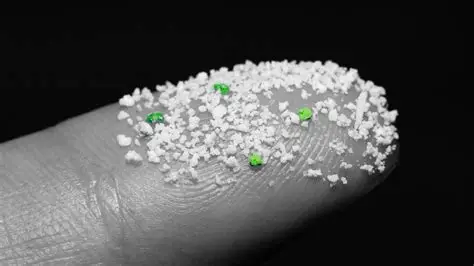
In today’s world, microplastics have become an invisible yet pervasive threat, infiltrating not only our environment but also our bodies through the air we breathe, the water we drink, and the food we eat. These tiny plastic particles can accumulate over time, potentially impacting our health in subtle but significant ways. Detoxifying your body from microplastics may sound challenging, but fortunately, there are effective natural strategies that you can start incorporating into your daily routine right now. In this blog post, we’ll explore practical and science-backed methods to help cleanse your body, support your natural detoxification processes, and reduce your overall exposure to these harmful contaminants—empowering you to take control of your well-being in a plastic-filled world.
1. Understanding Microplastics and Their Impact on Health
Microplastics are tiny plastic particles, typically less than 5 millimeters in size, that have become pervasive in our environment—from the depths of the oceans to the food we eat and the air we breathe. These minuscule pollutants originate from the breakdown of larger plastic debris, synthetic fibers from clothing, and even from everyday products like cosmetics and toothpaste. Despite their small size, microplastics pose significant risks to human health. Studies suggest that when ingested or inhaled, these particles can accumulate in the body, potentially triggering inflammation, disrupting gut health, and interfering with the immune system. Understanding the sources and effects of microplastics is the first critical step in protecting yourself. By becoming aware of how these particles enter your body and their possible long-term consequences, you can make informed choices and adopt effective natural detoxification strategies to reduce their impact and support your overall well-being.
2. How Microplastics Enter the Human Body
Microplastics, tiny plastic particles less than 5 millimeters in size, have become an invisible but pervasive part of our environment—and unfortunately, they can find their way into the human body through several common routes. Understanding how microplastics enter our system is the first step toward minimizing exposure and protecting our health.
One of the primary ways microplastics enter the body is through the food we eat. Seafood, especially shellfish and fish, can contain microplastic particles due to pollution in oceans and waterways. When consumed, these particles can accumulate in the digestive tract. Beyond seafood, microplastics have been detected in various other foods and beverages, including table salt, honey, bottled water, and even fruits and vegetables—often a result of contaminated soil or packaging materials.
Inhalation is another significant pathway. Microplastics are present in the air, particularly in urban and industrial areas, as tiny fibers shed from synthetic textiles, car tires, and other sources. Breathing in these airborne particles can cause them to lodge in the respiratory system, potentially leading to inflammation or other health concerns.
Lastly, everyday products such as cosmetics, toothpaste, and cleaning agents may contain microbeads or microplastic fragments that can be absorbed through the skin or accidentally ingested.
By recognizing these entry points—ingestion through contaminated food and water, inhalation of airborne particles, and skin contact—we can start to take informed steps to reduce our exposure and support the body’s natural detoxification processes.
3. Signs You Might Have Microplastic Buildup
Microplastics are tiny plastic particles that have become pervasive in our environment, making their way into the food we eat, the water we drink, and even the air we breathe. Because these particles are so small, they can accumulate in our bodies over time, potentially leading to various health concerns. But how can you tell if microplastic buildup might be affecting you? While research is still evolving, there are several signs and symptoms that could indicate the presence of these pollutants in your system.
One common indicator is persistent digestive discomfort, such as bloating, irregular bowel movements, or unexplained stomach pain. Microplastics can irritate the gut lining or disrupt the balance of healthy gut bacteria, leading to these digestive issues. Additionally, you might experience chronic fatigue or brain fog, as the body struggles to process and eliminate these foreign particles, potentially causing systemic inflammation. Skin problems, including unexplained rashes, dryness, or increased sensitivity, can also be a sign, as toxins may manifest through the skin when the body’s detox systems are overwhelmed.
It’s important to remember that these symptoms can be attributed to numerous causes, so experiencing them doesn’t necessarily mean microplastic accumulation is the culprit. However, if you notice a combination of these signs, especially with increased exposure to plastic products or environments, it might be worth considering natural detox strategies. Paying attention to your body and consulting with a healthcare professional can help you better understand and address any underlying issues related to microplastic buildup.
4. The Importance of Detoxifying from Microplastics
Microplastics—tiny plastic particles less than five millimeters in size—have become an invisible yet pervasive presence in our environment, infiltrating the air we breathe, the water we drink, and the food we consume. Over time, these microscopic pollutants accumulate in our bodies, potentially disrupting hormonal balance, triggering inflammation, and impacting overall health. Detoxifying from microplastics is therefore not just a wellness trend but a crucial step toward safeguarding your body’s natural functions. By actively reducing your exposure and supporting your body’s natural detox pathways, you can help minimize the harmful effects these particles may have. Embracing detoxification practices empowers you to reclaim control over your health and promotes a cleaner, more resilient internal environment. In the sections ahead, we’ll explore effective natural strategies designed to assist your body in flushing out microplastics and restoring balance.
5. Hydration: The First Step to Natural Detoxification
Hydration plays a crucial role in the natural detoxification process, especially when it comes to flushing out harmful microplastics from your body. Water acts as the primary medium through which your kidneys and liver filter and eliminate toxins, including microplastics that may have accumulated over time. By staying well-hydrated, you support these vital organs in performing their cleansing functions more efficiently.
Drinking plenty of pure, filtered water throughout the day helps to dilute toxins in the bloodstream and promotes regular urination, which is essential for expelling waste products. Aim for at least 8 to 10 glasses of water daily, and consider incorporating herbal teas or infused waters with lemon, cucumber, or mint to enhance hydration while providing additional antioxidants.
It’s important to avoid sugary drinks and excessive caffeine, as they can dehydrate the body and hinder the detox process. By making hydration your first step, you lay a strong foundation for effective detoxification, helping your body naturally combat the presence of microplastics and maintain optimal health.
6. Incorporating Antioxidant-Rich Foods in Your Diet
One of the most effective natural strategies to help detoxify your body from microplastics is by incorporating antioxidant-rich foods into your daily diet. Antioxidants play a crucial role in neutralizing harmful free radicals and reducing oxidative stress caused by environmental toxins—including microplastics—that accumulate in the body. Foods such as berries, leafy greens, nuts, and seeds are packed with vitamins C and E, flavonoids, and other powerful antioxidants that support your liver’s detoxification processes and protect your cells from damage. Additionally, spices like turmeric and green tea contain compounds with strong anti-inflammatory and detoxifying properties. By regularly consuming a diverse range of these nutrient-dense foods, you not only boost your body’s natural defense systems but also promote overall health and resilience against the harmful effects of microplastic exposure.
7. The Role of Fiber in Eliminating Toxins
Fiber plays a crucial role in supporting your body’s natural detoxification processes, especially when it comes to eliminating harmful substances like microplastics. Dietary fiber, found abundantly in fruits, vegetables, whole grains, nuts, and seeds, acts like a gentle broom inside your digestive system. It binds to toxins and waste products, including microplastics, helping to escort them safely out of your body through regular bowel movements.
There are two main types of fiber: soluble and insoluble. Soluble fiber dissolves in water to form a gel-like substance that can trap toxins, while insoluble fiber adds bulk to stool, promoting efficient digestion and preventing constipation. Together, these fibers work synergistically to enhance gut health, improve detox pathways, and reduce the time harmful particles spend in your intestines—minimizing their absorption into your bloodstream.
Incorporating fiber-rich foods into your daily diet not only supports microplastic elimination but also nourishes beneficial gut bacteria, which play a vital role in breaking down and processing toxins. To maximize these benefits, aim for a diverse range of fiber sources such as berries, leafy greens, legumes, oats, and flaxseeds. Drinking plenty of water alongside fiber is also essential, as it helps fiber move smoothly through your digestive tract.
By making fiber a key part of your detox routine, you empower your body to naturally and effectively flush out microplastics, promoting overall health and well-being.
8. Using Natural Supplements to Support Detox
Incorporating natural supplements into your daily routine can be a powerful way to support your body’s detoxification process, especially when it comes to eliminating harmful microplastics. Certain supplements are known for their ability to enhance liver function, boost antioxidant levels, and promote the natural cleansing pathways of the body. For example, milk thistle is widely recognized for its liver-protective properties, helping to regenerate liver cells and improve overall detox efficiency. Similarly, spirulina and chlorella—types of nutrient-rich algae—have shown promising results in binding to toxins, including heavy metals and microplastics, aiding their removal from the digestive tract. Additionally, antioxidants such as vitamin C and glutathione play a crucial role in neutralizing free radicals and reducing oxidative stress caused by environmental pollutants. Before starting any supplement regimen, it’s important to consult with a healthcare professional to tailor the approach to your specific needs and ensure optimal safety. By integrating these natural supplements thoughtfully, you can give your body the extra support it needs to combat microplastic accumulation and promote overall wellness.
9. Benefits of Regular Exercise and Sweating
Engaging in regular exercise not only boosts your overall health but also plays a vital role in helping your body detoxify from harmful substances like microplastics. When you work out, your body temperature rises, prompting you to sweat. Sweating is one of the body’s natural mechanisms to eliminate toxins and impurities, including some microplastic particles that may accumulate over time.
Moreover, physical activity enhances circulation and supports the lymphatic system, which is responsible for removing waste products from bodily tissues. Improved blood flow and lymph movement facilitate the transport and excretion of harmful substances, making exercise an essential part of any detoxification plan.
Activities such as brisk walking, jogging, cycling, or even yoga encourage consistent sweating and boost metabolism, helping your body flush out unwanted microplastics more effectively. Remember to stay well-hydrated during and after exercise to support kidney function and further aid in the elimination process.
Incorporating regular exercise into your daily routine not only benefits your physical and mental well-being but also empowers your body’s natural detox pathways, making it a simple yet powerful strategy to combat the invisible threat of microplastics.
10. Detoxifying Through Saunas and Steam Baths
Using saunas and steam baths can be a powerful and natural method to support your body’s detoxification process, especially when it comes to eliminating microplastics and other toxins. These practices promote sweating, which is one of the body’s primary ways to expel harmful substances stored in fat cells and tissues. When you sit in a sauna or steam bath, your body temperature rises, causing your pores to open and encouraging a deep sweat that flushes out impurities.
Beyond just sweating, the heat from saunas and steam baths improves circulation and stimulates the lymphatic system, which plays a critical role in removing waste and toxins from the body. Regular sessions can also help reduce inflammation and promote overall skin health, which acts as an additional barrier to environmental pollutants like microplastics.
To get the most benefit, start with shorter sessions of 10-15 minutes and gradually increase as your body adapts. Always stay hydrated before, during, and after your sauna or steam bath to replenish lost fluids and support kidney function. Incorporating these heat therapies into your wellness routine can be a relaxing and effective way to assist your body’s natural detox pathways and reduce the burden of microplastics over time.
11. Reducing Future Exposure to Microplastics
Reducing future exposure to microplastics is a crucial step in safeguarding your health and supporting a cleaner environment. Since microplastics are pervasive in everyday items—from packaging and clothing to personal care products—being mindful of your choices can significantly decrease the amount you ingest or absorb. Start by opting for natural fibers like cotton, wool, or linen instead of synthetic fabrics such as polyester or nylon, which shed tiny plastic fibers with each wash. When it comes to food and drink, prioritize fresh, unpackaged produce and use glass or stainless steel containers instead of plastic ones to minimize contamination. Additionally, avoid single-use plastics like straws, bottles, and bags by switching to reusable alternatives. Filtering your tap water with a high-quality carbon or reverse osmosis filter can further reduce microplastic particles in your drinking water. By incorporating these simple yet effective habits into your daily routine, you not only protect your body from the harmful effects of microplastics but also contribute to a broader movement toward environmental sustainability.
12. Mindful Consumption: Choosing Clean and Natural Products
When it comes to detoxifying your body from microplastics, one of the most powerful steps you can take is practicing mindful consumption. This means being intentional about the products you bring into your daily life—opting for clean, natural alternatives that reduce your exposure to harmful plastics and chemicals. Start by carefully reading labels and choosing items made from organic, biodegradable, or non-toxic materials. For example, switch to natural fiber clothing instead of synthetic fabrics, which shed microplastics during washing. Opt for glass, stainless steel, or bamboo containers instead of plastic ones for food storage and drinking. Additionally, prioritize personal care and household products that are free from microbeads and harmful additives. By making these conscious choices, you not only minimize the microplastics entering your body but also support sustainable brands that care for both your health and the environment. Mindful consumption is a simple yet impactful way to take control of your wellbeing and contribute to a cleaner, healthier planet.
13. The Power of Gut Health in Detoxification
Maintaining a healthy gut is essential when it comes to detoxifying your body from microplastics. Your digestive system plays a crucial role in filtering out harmful substances and supporting overall detoxification processes. A balanced gut microbiome—the community of beneficial bacteria living in your intestines—can help break down toxins and reduce inflammation caused by microplastic exposure.
To harness the power of gut health, focus on incorporating fiber-rich foods like fruits, vegetables, whole grains, and legumes into your diet. These not only promote regular bowel movements, aiding the elimination of microplastics, but also serve as prebiotics, nourishing your beneficial gut bacteria. Additionally, fermented foods such as yogurt, kefir, sauerkraut, and kimchi introduce probiotics, which help restore and maintain a healthy microbial balance.
Staying hydrated is equally important, as water supports efficient digestion and toxin removal. Avoiding excessive processed foods, sugars, and artificial additives can prevent gut imbalances that may hinder detoxification. By nurturing your gut health through mindful dietary choices and lifestyle habits, you empower your body’s natural defenses to combat and eliminate microplastics more effectively.
14. Creating a Sustainable Detox Routine
Creating a Sustainable Detox Routine
Detoxifying your body from microplastics is not a one-time event but a continuous journey that requires consistency and mindful habits. Establishing a sustainable detox routine involves integrating natural strategies into your daily life in a way that feels manageable and enjoyable. Start by incorporating foods rich in antioxidants and fiber, such as leafy greens, berries, and whole grains, which help support your liver and digestive system in flushing out toxins. Regular hydration with clean, filtered water is equally essential to aid in the elimination process.
In addition to dietary changes, consider practices like dry brushing and gentle exercise, which promote lymphatic drainage and circulation—key components in removing harmful substances from the body. Mindfulness techniques such as yoga or meditation can also reduce stress, supporting overall detoxification by balancing your body’s systems.
Remember, the goal is to create habits that you can maintain long-term rather than quick fixes. By gradually adopting these natural methods and staying committed, you empower your body to effectively reduce microplastic buildup, enhancing your overall health and well-being. Consistency is key, so tailor your routine to fit your lifestyle and listen to your body’s needs as you progress on this detox journey.
15. When to Seek Professional Help for Detoxification
While adopting natural strategies to detoxify your body from microplastics can be highly beneficial, it’s important to recognize when professional guidance is necessary. If you experience persistent symptoms such as chronic fatigue, digestive issues, unexplained skin problems, or neurological symptoms that don’t improve despite lifestyle changes, it may be time to consult a healthcare professional. Specialists such as naturopaths, integrative doctors, or toxicologists can offer comprehensive assessments, recommend targeted detoxification protocols, and monitor your progress safely. Additionally, if you have pre-existing health conditions or are pregnant, seeking expert advice before beginning any detox regimen is crucial to ensure your safety and effectiveness. Remember, professional support can provide personalized care and help you navigate complex detoxification processes for optimal health outcomes.
Detoxifying your body from microplastics may seem like a daunting task, but with the natural strategies we’ve explored, it’s entirely achievable. By incorporating mindful habits such as staying hydrated, consuming antioxidant-rich foods, and supporting your body’s natural detox pathways, you can take proactive steps toward reducing the impact of microplastics on your health. Remember, small, consistent changes can make a significant difference over time. Prioritizing your well-being not only helps cleanse your body but also empowers you to live a healthier, more vibrant life. Start implementing these strategies today and take control of your journey toward a cleaner, toxin-free body.
——————————