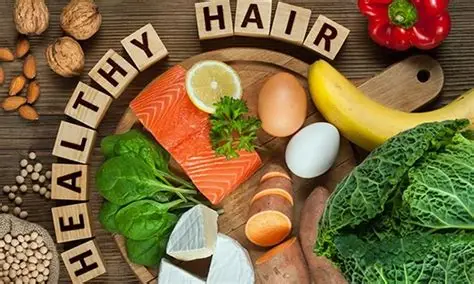
Hair loss can be a frustrating and often distressing experience, affecting confidence and self-esteem for many people. While genetics and lifestyle factors play significant roles, the foods we eat can also have a powerful impact on the health of our hair. Recent scientific research has shed light on the potential benefits of certain nutrient-rich foods—like soy, pumpkin seeds, and chili peppers—that may help combat hair thinning and promote stronger, healthier growth. In this blog post, we’ll dive into what the latest studies reveal about these natural hair allies and explore how incorporating them into your diet could support your journey to vibrant, resilient hair.
1. Understanding Hair Loss: Causes and Factors
Hair loss is a common concern that affects millions of people worldwide, and understanding its causes is the first step toward effective prevention and treatment. Various factors contribute to hair thinning and loss, ranging from genetics and hormonal changes to lifestyle and environmental influences. Androgenetic alopecia, often referred to as male or female pattern baldness, is the most prevalent form, driven largely by hereditary factors and the hormone dihydrotestosterone (DHT). Beyond genetics, nutritional deficiencies, stress, certain medical conditions, and even some medications can accelerate hair loss.
Scientific research reveals that addressing these underlying causes through diet and lifestyle changes can play a significant role in maintaining healthy hair. Nutrient-rich foods, such as those containing vitamins, minerals, and antioxidants, help nourish hair follicles, reduce inflammation, and support the natural hair growth cycle. By understanding what triggers hair loss and how different factors interplay, you can make informed choices—including incorporating specific foods like soy, pumpkin seeds, and chili peppers—that have shown promising effects in promoting stronger, healthier hair.
2. The Role of Nutrition in Hair Health
Nutrition plays a crucial role in maintaining healthy hair and preventing hair loss. Our hair follicles rely on a steady supply of essential nutrients to support growth, strength, and resilience. When the body lacks key vitamins, minerals, and proteins, hair strands can become weak, brittle, and more prone to falling out. Scientific research has shown that a balanced diet rich in specific nutrients can nourish the scalp, stimulate hair follicles, and even slow down the natural aging process of hair.
Proteins, such as those found in soy, provide the building blocks for keratin—the primary structural component of hair. Meanwhile, minerals like zinc and magnesium, abundant in pumpkin seeds, contribute to scalp health and reduced inflammation, which are vital for hair follicle function. Additionally, compounds found in chili peppers, such as capsaicin, have been studied for their ability to improve blood circulation to the scalp, potentially promoting hair growth.
Understanding the connection between what you eat and your hair’s condition empowers you to make dietary choices that support vibrant, healthy hair. Incorporating nutrient-dense foods like soy, pumpkin seeds, and chili peppers into your meals can be a natural, science-backed strategy to fight hair loss and boost hair vitality from the inside out.
3. Overview: Foods That May Combat Hair Loss
When it comes to combating hair loss, nutrition plays a crucial role in maintaining healthy hair growth and preventing further thinning. Scientific research has highlighted several foods that contain vital nutrients capable of supporting hair health, and among them, soy, pumpkin seeds, and chili peppers have garnered significant attention. Soy is rich in isoflavones and plant-based proteins that may help balance hormone levels, particularly by reducing the effects of dihydrotestosterone (DHT), a hormone linked to hair follicle shrinkage and hair loss. Pumpkin seeds are packed with zinc, antioxidants, and essential fatty acids, all of which contribute to strengthening hair follicles and promoting scalp health. Chili peppers, on the other hand, contain capsaicin, a compound known to increase blood circulation to the scalp, potentially stimulating hair growth. Incorporating these foods into a balanced diet could provide a natural and science-backed approach to supporting hair vitality, making them valuable allies in the fight against hair loss.
4. Soy and Hair Loss: What Does Research Say?
Soy has long been a topic of interest when it comes to hair health, particularly because it contains isoflavones—plant compounds that exhibit antioxidant and hormonal activity. Scientific studies suggest that these isoflavones may play a beneficial role in combating hair loss, especially in cases related to hormonal imbalances such as androgenetic alopecia (pattern hair loss).
Research indicates that soy isoflavones can help regulate levels of dihydrotestosterone (DHT), a hormone closely linked to hair follicle shrinkage and hair thinning. By potentially inhibiting the production or activity of DHT, soy compounds may aid in slowing down hair loss and promoting healthier hair growth cycles. Additionally, the antioxidant properties of soy help protect hair follicles from oxidative stress, which is another contributing factor to hair thinning.
However, it’s important to note that while preliminary studies are promising, more extensive clinical trials are needed to fully understand the mechanisms and effectiveness of soy in hair loss prevention. Incorporating soy-based foods such as tofu, edamame, and soy milk into a balanced diet can be a natural, nutritious way to support overall hair health, but it should be part of a comprehensive approach that includes proper hair care and, if necessary, medical consultation.
In summary, current research suggests that soy holds potential as a natural ally against hair loss, thanks to its hormone-regulating and antioxidant effects. As science continues to explore this relationship, including soy in your diet might be a simple yet effective step toward maintaining stronger, healthier hair.
5. Pumpkin Seeds: Nutritional Profile and Hair Benefits
Pumpkin seeds are a nutritional powerhouse packed with essential vitamins and minerals that contribute to overall health — including the health of your hair. Rich in zinc, magnesium, iron, and antioxidants, these tiny seeds play a significant role in strengthening hair follicles and promoting hair growth. Zinc, in particular, is crucial for hair tissue growth and repair, and a deficiency can lead to hair thinning or loss. Additionally, pumpkin seeds contain phytosterols, natural compounds that may help block the action of DHT (dihydrotestosterone), a hormone linked to hair loss, especially in cases of androgenetic alopecia. Incorporating pumpkin seeds into your diet, whether as a crunchy snack, sprinkled over salads, or blended into smoothies, can provide these hair-supporting nutrients and potentially reduce hair shedding while encouraging thicker, healthier strands. Scientific studies continue to explore the promising effects of pumpkin seed oil supplements on hair density, making pumpkin seeds a tasty and beneficial addition to your hair care regimen.
6. Chili Peppers: How Capsaicin May Promote Hair Growth
Chili peppers are more than just a spicy addition to your meals—they contain a powerful compound called capsaicin, which science suggests may play a role in promoting hair growth. Capsaicin is the active ingredient responsible for the heat in chili peppers, and it has been shown to stimulate blood circulation when applied topically or consumed. Improved blood flow to the scalp means that hair follicles receive more oxygen and essential nutrients, creating an optimal environment for healthy hair growth.
Moreover, capsaicin has been linked to the release of certain growth factors, such as insulin-like growth factor 1 (IGF-1), which supports the development and maintenance of hair follicles. Some studies have indicated that capsaicin may also help reduce inflammation in the scalp, a common contributor to hair thinning and loss.
While more extensive human studies are needed to fully understand the mechanisms and effectiveness of capsaicin for hair growth, incorporating chili peppers into your diet can be a flavorful and natural way to potentially boost scalp health. Whether added to your favorite dishes or consumed as a supplement, chili peppers offer a spicy edge to your hair care regimen—just remember to start with small amounts if you’re sensitive to heat!
7. Scientific Studies Supporting Soy, Pumpkin Seeds, and Chili Peppers
Numerous scientific studies have explored the potential benefits of soy, pumpkin seeds, and chili peppers in combating hair loss, shedding light on how these foods may support hair health.
**Soy:** Rich in isoflavones, soy contains compounds that mimic estrogen, a hormone known to play a role in hair growth. Research has suggested that these isoflavones can help reduce the activity of dihydrotestosterone (DHT), a hormone linked to androgenic alopecia (pattern hair loss). A study published in the *Journal of Dermatological Science* found that soy isoflavones may promote hair follicle health and reduce hair thinning by modulating hormone levels and improving scalp circulation.
**Pumpkin Seeds:** Pumpkin seeds are a powerhouse of nutrients, including zinc, magnesium, and essential fatty acids, all critical for maintaining healthy hair. In a randomized, double-blind study published in *Evidence-Based Complementary and Alternative Medicine*, participants who took pumpkin seed oil supplements for 24 weeks experienced a significant increase in hair growth compared to the placebo group. The oil’s phytosterols are thought to block DHT production, thus potentially preventing hair follicle shrinkage.
**Chili Peppers:** Capsaicin, the active component in chili peppers, is known to stimulate blood flow and promote the release of certain growth factors. Scientific investigations indicate that topical application of capsaicin can activate sensory neurons to increase insulin-like growth factor-1 (IGF-1) production, which supports hair follicle development and growth. Animal studies have demonstrated that capsaicin can enhance hair regrowth, suggesting its potential as a natural remedy against hair loss.
While these studies offer promising insights, it’s important to remember that hair loss can result from various factors, and incorporating these foods should complement, not replace, professional treatments. Nevertheless, the scientific evidence underscores the value of soy, pumpkin seeds, and chili peppers as part of a balanced diet aimed at supporting hair health.
8. Incorporating These Foods Into Your Diet
Incorporating foods like soy, pumpkin seeds, and chili peppers into your diet can be a delicious and effective way to support hair health and combat hair loss. Soy is rich in isoflavones, plant compounds that have been shown to promote hair growth by balancing hormone levels and stimulating hair follicles. Adding tofu, edamame, or soy milk to your meals can easily boost your intake of these beneficial nutrients.
Pumpkin seeds are a powerhouse of zinc, magnesium, and antioxidants—all vital for maintaining healthy hair follicles. Snacking on a handful of roasted pumpkin seeds or sprinkling them over salads and smoothies provides a convenient way to nourish your scalp from within.
Chili peppers contain capsaicin, which is known to improve blood circulation. Better blood flow to the scalp means that hair follicles receive more oxygen and nutrients, supporting stronger, thicker hair growth. Incorporate chili peppers into your cooking—whether in spicy sauces, soups, or stir-fries—to take advantage of their hair-friendly properties.
By regularly including these foods in your diet, you not only enjoy diverse and flavorful meals but also give your hair the nutrients it needs to thrive. Remember, consistency is key; over time, these dietary changes can contribute to healthier, fuller hair as part of a balanced lifestyle.
9. Other Nutrients and Foods That Support Hair Health
In addition to soy, pumpkin seeds, and chili peppers, a variety of other nutrients and foods play a crucial role in supporting healthy hair growth and preventing hair loss. Protein, for instance, is a fundamental building block of hair since hair strands are primarily made of keratin, a type of protein. Incorporating lean meats, fish, eggs, and legumes into your diet ensures your hair gets the amino acids it needs to stay strong and resilient.
Omega-3 fatty acids, found abundantly in fatty fish like salmon, mackerel, and sardines, as well as in flaxseeds and walnuts, help nourish hair follicles by reducing inflammation and promoting scalp health. These essential fats also contribute to the natural shine and elasticity of your hair.
Vitamins such as biotin (Vitamin B7), Vitamin D, and Vitamin E have been shown to support hair growth and reduce shedding. Biotin-rich foods include eggs, nuts, and whole grains, while Vitamin D can be sourced from fortified foods and safe sun exposure. Vitamin E, an antioxidant, protects hair cells from damage and is found in nuts, seeds, and leafy greens.
Minerals like zinc and iron are equally important. Zinc aids in tissue growth and repair, including hair follicle maintenance, while iron helps red blood cells carry oxygen to your hair follicles. Foods rich in these minerals include red meat, spinach, lentils, and fortified cereals.
By incorporating a diverse range of nutrient-dense foods alongside soy, pumpkin seeds, and chili peppers, you can create a holistic dietary approach that supports hair health from the inside out—backed by scientific research and nutritional wisdom.
10. Lifestyle Tips to Complement Dietary Changes
In addition to incorporating hair-friendly foods like soy, pumpkin seeds, and chili peppers into your diet, adopting certain lifestyle habits can significantly enhance your hair health and help combat hair loss. Science shows that hair growth is influenced not only by nutrition but also by factors such as stress levels, sleep quality, and physical activity.
First, managing stress is crucial. Chronic stress can trigger a type of hair loss called telogen effluvium, where hair follicles prematurely enter the resting phase and shed more than usual. Practices such as mindfulness meditation, yoga, or even simple breathing exercises can reduce stress hormones and promote a healthier scalp environment.
Second, getting adequate and restful sleep supports the body’s natural repair processes, including those that maintain healthy hair follicles. Aim for 7-9 hours of quality sleep per night to give your body the best chance to regenerate and strengthen hair.
Third, regular exercise improves blood circulation, which means more oxygen and nutrients reach your scalp and hair follicles. This can encourage stronger, thicker hair growth over time.
Lastly, avoid harmful habits such as smoking and excessive alcohol consumption, as these can impair circulation and nutrient absorption, negatively affecting hair health.
By combining these lifestyle tips with a nutrient-rich diet, you create a powerful, science-backed approach to fighting hair loss and promoting vibrant, resilient hair.
11. Common Myths About Diet and Hair Loss
When it comes to diet and hair loss, there’s no shortage of myths and misconceptions that can leave you confused about what really works. One of the most common myths is that simply eating large amounts of protein or certain “superfoods” will magically reverse hair loss. While nutrition does play a crucial role in maintaining healthy hair, it’s important to understand that no single food or nutrient acts as a cure-all.
Another widespread belief is that soy products cause hair loss due to their phytoestrogen content. However, scientific studies have shown that moderate soy consumption does not negatively impact hair health and may even offer benefits thanks to its rich nutrient profile. Similarly, pumpkin seeds are often touted as a miracle food for hair growth, but while they do contain zinc and antioxidants that support scalp health, eating them alone won’t guarantee thick, luscious locks.
Chili peppers, known for their capsaicin content, are sometimes claimed to stimulate hair growth by improving blood circulation to the scalp. While capsaicin can increase circulation temporarily, the evidence linking chili pepper consumption directly to hair regrowth is limited.
Ultimately, the key takeaway is that a balanced diet rich in diverse nutrients supports overall hair health, but it’s essential to approach diet-related claims with a critical eye. Consulting with healthcare professionals and relying on evidence-based information will help you navigate the complex world of hair loss and nutrition more effectively.
12. When to See a Specialist for Hair Loss
While incorporating nutrient-rich foods like soy, pumpkin seeds, and chili peppers into your diet can support hair health, it’s important to recognize when hair loss may require professional attention. If you notice sudden or excessive hair shedding, bald patches, or if hair loss is accompanied by scalp irritation, redness, or pain, it’s time to consult a specialist. A dermatologist or trichologist can help diagnose underlying conditions such as alopecia areata, hormonal imbalances, or nutritional deficiencies that might be contributing to your hair loss. Early intervention can make a significant difference in treatment outcomes, so don’t hesitate to seek expert advice if you’re concerned about persistent or worsening hair loss. Remember, while diet plays a vital role, addressing medical causes often requires tailored therapies beyond nutrition alone.
13. Potential Side Effects or Considerations
While incorporating soy, pumpkin seeds, and chili peppers into your diet can offer benefits for hair health, it’s important to be aware of potential side effects and individual considerations. Soy contains isoflavones, which are plant-based compounds with estrogen-like effects. For most people, moderate soy consumption is safe and may even support hormonal balance, but excessive intake could interfere with thyroid function or hormone-sensitive conditions, so those with such concerns should consult a healthcare professional before significantly increasing soy in their diet.
Pumpkin seeds are rich in nutrients like zinc and magnesium, which are beneficial for hair growth; however, they are also calorie-dense and high in fat, so eating them in large quantities might contribute to unwanted weight gain. Additionally, some individuals may experience digestive discomfort or allergic reactions, so it’s best to start with small amounts if you’re introducing them for the first time.
Chili peppers contain capsaicin, which can stimulate circulation and potentially promote hair follicle health. However, consuming spicy foods in excess may cause gastrointestinal irritation, heartburn, or allergic reactions in sensitive individuals. If you have a history of digestive issues or are prone to irritation, it’s wise to moderate your intake and monitor your body’s response.
As with any dietary changes, it’s important to maintain a balanced and varied diet, and if you have underlying health conditions or concerns, consulting with a healthcare provider or nutritionist can help ensure these foods are a safe and effective part of your hair care routine.
14. Personal Testimonials and Success Stories
While scientific research provides valuable insights into how certain foods like soy, pumpkin seeds, and chili peppers may help combat hair loss, personal testimonials and success stories add an important, relatable dimension to this topic. Many individuals who have incorporated these foods into their daily diets report noticeable improvements in hair strength, thickness, and overall scalp health. For example, some have shared stories of reduced hair shedding after regularly consuming pumpkin seeds, which are rich in zinc and antioxidants known to support hair follicles. Others credit soy products, packed with phytoestrogens and protein, for promoting healthier hair regrowth during periods of hormonal imbalance. Meanwhile, chili peppers, with their capsaicin content, are praised for stimulating blood circulation to the scalp, fostering an environment conducive to hair growth. Although results can vary from person to person, these testimonials highlight how dietary choices, alongside medical advice, can play a role in managing hair loss. Listening to real-life experiences can inspire and motivate those looking for natural ways to support their hair health, making the journey less daunting and more hopeful.
15. Conclusion: Balancing Diet and Hair Care for Optimal Results
In conclusion, while incorporating nutrient-rich foods like soy, pumpkin seeds, and chili peppers into your diet can play a significant role in supporting hair health, it’s important to remember that dietary changes work best when combined with proper hair care practices. Science has shown that these foods contain vital compounds—such as plant-based proteins, zinc, antioxidants, and capsaicin—that may help reduce hair loss and promote stronger, healthier hair. However, factors like genetics, stress levels, and scalp health also influence hair growth, so a holistic approach is essential. By balancing a well-rounded diet with gentle hair care routines, regular scalp massages, and avoiding harsh treatments, you can create the optimal environment for your hair to thrive. Ultimately, embracing both nutrition and care empowers you to take meaningful steps toward maintaining luscious, resilient hair for the long term.
Incorporating nutrient-rich foods like soy, pumpkin seeds, and chili peppers into your diet can play a powerful role in supporting hair health and combating hair loss. As science continues to uncover the benefits of these natural ingredients, it’s clear that what you eat truly matters when it comes to maintaining strong, vibrant hair. By embracing these foods alongside a balanced lifestyle, you’re giving your hair the nourishment it needs to thrive. Remember, while diet is a crucial piece of the puzzle, consistency and patience are key to seeing lasting results. Here’s to making delicious, hair-friendly choices that help you look and feel your best every day!
——————————